THE ADVENTURE COLLECTIVE® · Independent discovery and booking for outdoor travel

Ride the Kyoto Tango sea train from Osaka to Amanohashidate and Ine Bay for one long day of coastal panoramas, pine-lined sandbars, and the wooden boathouses of a living fishing village. This full-day trip combines scenic rail, short hikes, and a peaceful boat cruise.
Ride the Kyoto Tango sea train from Osaka to Amanohashidate and Ine Bay for one long day of coastal panoramas, pine-lined sandbars, and the wooden boathouses of a living fishing village. This full-day trip combines scenic rail, short hikes, and a peaceful boat cruise.
You step onto the Kyoto Tango sea train and feel the coast unfold—windows framing rice terraces, small fishing ports, and the slow arc of the Yura River as it meets the Sea of Japan. The train eases across a bridge and the landscape widens: the pine-covered sandbar of Amanohashidate appears like a stubborn ribbon of green and sand, dividing bay from sky.
Verified experiences and guided adventures in the surrounding area.
Operated by TrevoTour Travels · Miyazu, Kyoto Prefecture
You step onto the Kyoto Tango sea train and feel the coast unfold—windows framing rice terraces, small fishing ports, and the slow arc of the Yura River as it meets the Sea of Japan. The train eases across a bridge and the landscape widens: the pine-covered sandbar of Amanohashidate appears like a stubborn ribbon of green and sand, dividing bay from sky.
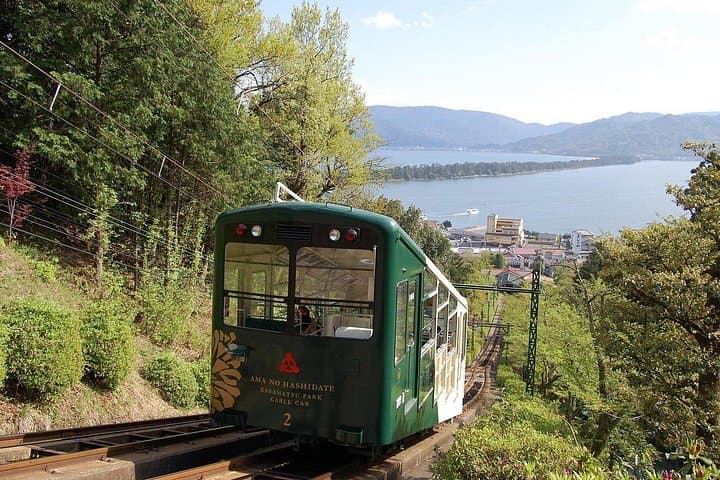
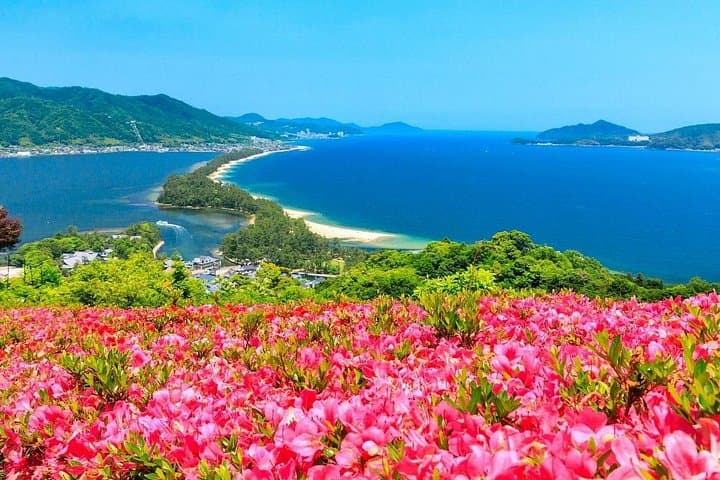
Amanohashidate has been celebrated for centuries as one of Japan’s Three Views; its geology is simple—longshore drift built a sandbar sheltering a shallow bay—but its cultural weight is layered with Shinto and Buddhist sites, like Chionji Temple, and local rituals tied to seafaring and study. A short chairlift ride to Viewland gives the classic perspective: the “bridge to heaven” revealed between folds of sea and mountain.
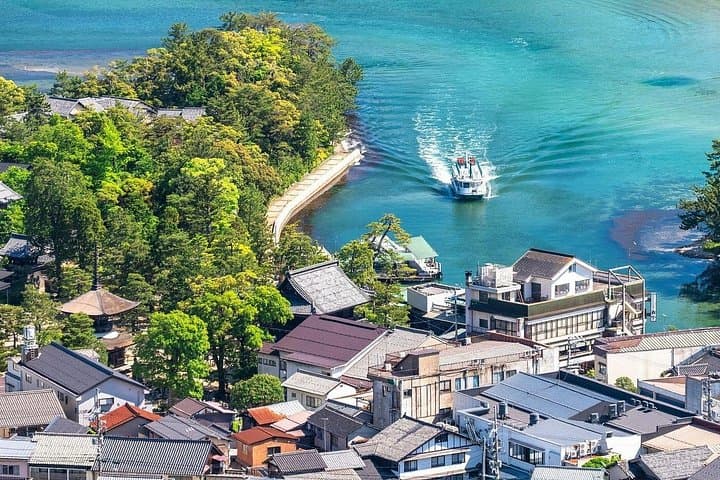
The day continues to Ine, where wooden funaya — boathouses with boats parked beneath living rooms — hold a living archive of coastal craft and fishery life. A guided boat cruise lets the boathouse façades and quiet coves tell their story, while cafes serve fresh seafood and local sweets.
Practical note: this is a long day (11–12 hours) with mostly easy walking, some stairs, and variable weather. Expect train schedules, a possible cable-car option at Amanohashidate, and a gentle boat ride in Ine Bay. Bring layers, a rain shell, and a charged camera: the route is about transport, views, and cultural detail rather than alpine exertion. Timing your visit for morning light at the sandbar or late afternoon in Ine makes the scenery feel cinematic without being rushed.
The tour runs about 11–12 hours (typically a full day); exact return time depends on routing and traffic but plan for an evening arrival back in Osaka.
Options like the Ine Bay sightseeing boat and Amanohashidate Viewland cable car are included if you select those options when booking—confirm at checkout.
The itinerary is rated easy and allows for strollers and wheelchairs in many areas, but some sites have steps and boat boarding may require assistance; check accessibility details before booking.
Tours typically include an English-speaking guide or commentary, but language services can vary—confirm at booking if you require specific language support.
TrevoTour Travels operates guided outdoor trips and adventures with an emphasis on safety, stewardship, and memorable experiences.
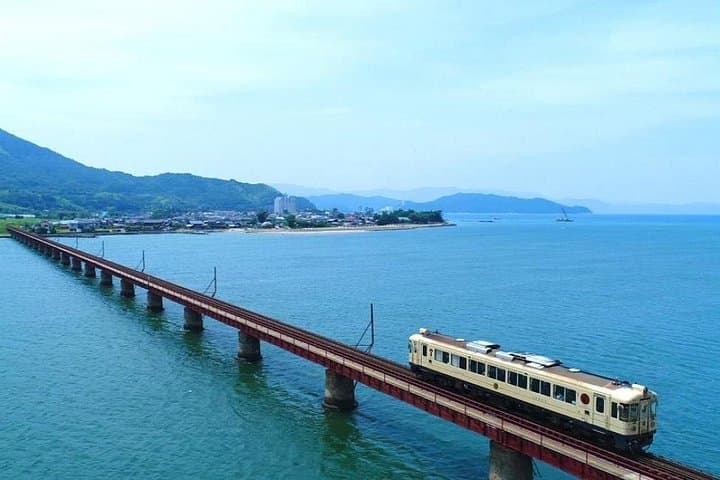
You step onto the Kyoto Tango sea train and feel the coast unfold—windows framing rice terraces, small fishing ports, and the slow arc of the Yura River as it meets the Sea of Japan. The train eases across a bridge and the landscape widens: the pine-covered sandbar of Amanohashidate appears like a stubborn ribbon of green and sand, dividing bay from sky.
You step onto the Kyoto Tango sea train and feel the coast unfold—windows framing rice terraces, small fishing ports, and the slow arc of the Yura River as it meets the Sea of Japan. The train eases across a bridge and the landscape widens: the pine-covered sandbar of Amanohashidate appears like a stubborn ribbon of green and sand, dividing bay from sky.
Amanohashidate has been celebrated for centuries as one of Japan’s Three Views; its geology is simple—longshore drift built a sandbar sheltering a shallow bay—but its cultural weight is layered with Shinto and Buddhist sites, like Chionji Temple, and local rituals tied to seafaring and study. A short chairlift ride to Viewland gives the classic perspective: the “bridge to heaven” revealed between folds of sea and mountain.
The day continues to Ine, where wooden funaya — boathouses with boats parked beneath living rooms — hold a living archive of coastal craft and fishery life. A guided boat cruise lets the boathouse façades and quiet coves tell their story, while cafes serve fresh seafood and local sweets.
Practical note: this is a long day (11–12 hours) with mostly easy walking, some stairs, and variable weather. Expect train schedules, a possible cable-car option at Amanohashidate, and a gentle boat ride in Ine Bay. Bring layers, a rain shell, and a charged camera: the route is about transport, views, and cultural detail rather than alpine exertion. Timing your visit for morning light at the sandbar or late afternoon in Ine makes the scenery feel cinematic without being rushed.