THE ADVENTURE COLLECTIVE® · Independent discovery and booking for outdoor travel

Learn to make three classic kimchi dishes in a compact kitchen steps from Gyeongbokgung Palace. This two-hour, hands-on class teaches fermentation basics, practical knife work, and how to pair kimchi with simple Korean meals.
Learn to make three classic kimchi dishes in a compact kitchen steps from Gyeongbokgung Palace. This two-hour, hands-on class teaches fermentation basics, practical knife work, and how to pair kimchi with simple Korean meals.
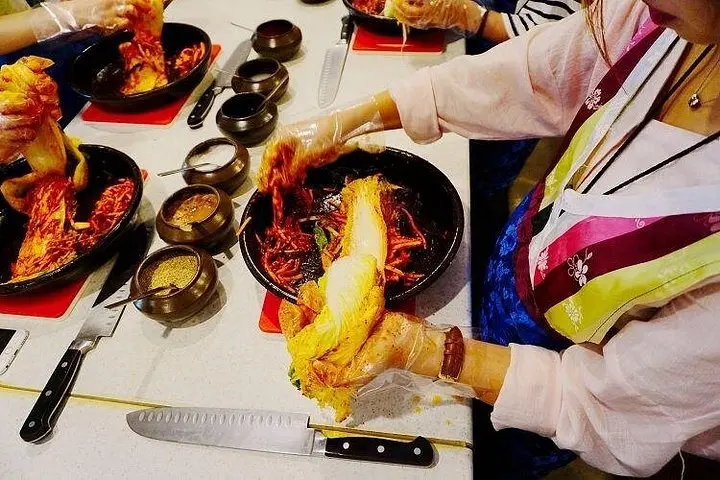
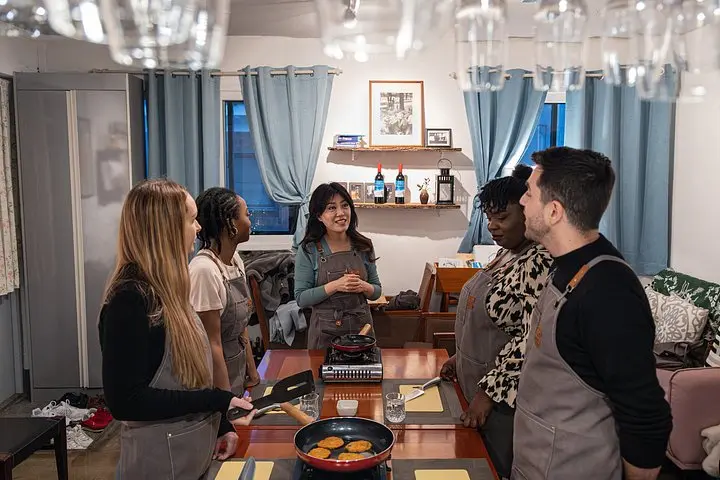
You step off a narrow street by Gyeongbokgung and the city’s tempo changes: granite palaces and tiled roofs frame a small shared kitchen where steam and spice meet. The chef greets you, hands scrubbed, and an array of napa cabbage, daikon, gochugaru and jang sits like tools in a craftsman’s shop.
Verified experiences and guided adventures in the surrounding area.
Operated by Secret Food Tours · Seoul, Seoul
You step off a narrow street by Gyeongbokgung and the city’s tempo changes: granite palaces and tiled roofs frame a small shared kitchen where steam and spice meet. The chef greets you, hands scrubbed, and an array of napa cabbage, daikon, gochugaru and jang sits like tools in a craftsman’s shop.
Seoul’s basin — carved by the Han River and ringed by low ridges — has long shaped local foodways: short growing seasons, strong fermentation traditions and a culture of preserved side dishes (banchan). Kimchi itself is centuries old, a practical response to winter scarcity that evolved into Korea’s defining flavor. Around Gyeongbokgung you can still feel the city’s Joseon-era geometry: orderly, deliberate, a useful backdrop to learning exacting culinary technique.
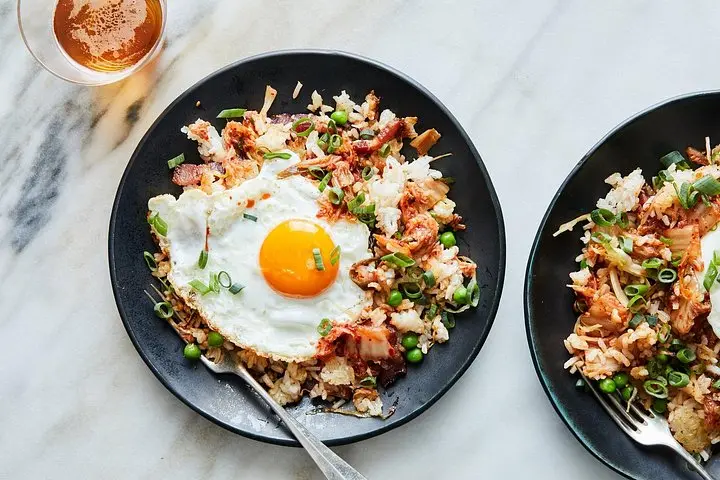
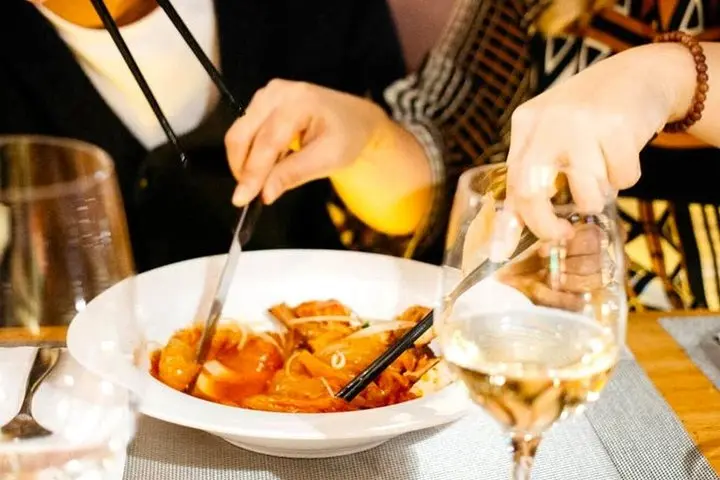
In two hours you’ll make three kimchi-based plates: a crispy kimchi-buchimgae, crunchy kkakdugi turned into bacon-fried rice with egg, and a mild baek-kimchi served with a delicate broth and noodles. The class also includes a glass of makgeolli or a nonalcoholic drink and a surprise “secret dish.” Language is accessible and hands-on; groups stay small so you’ll get direct guidance on fermentation ratios, salt timing and balancing heat.
Practical notes: arrive 10 minutes early, bring dietary restrictions when you book, and expect to be standing and stirring for much of the session. Public transit drops you within easy walking distance of the meeting point. This is a tidy, urban culinary encounter that leaves you with recipes, technique and a better sense of why kimchi holds its place at every Korean table.
The class runs about two hours and covers three kimchi-based dishes with tasting included.
Vegetarian and other dietary requests can usually be accommodated if noted at booking—contact the operator in advance.
Infants may sit on a lap; older children can participate but should be supervised around hot pans and knives.
Classes are typically conducted in English with clear demonstrations; check at booking for other language support.
Secret Food Tours operates guided outdoor trips and adventures with an emphasis on safety, stewardship, and memorable experiences.
You step off a narrow street by Gyeongbokgung and the city’s tempo changes: granite palaces and tiled roofs frame a small shared kitchen where steam and spice meet. The chef greets you, hands scrubbed, and an array of napa cabbage, daikon, gochugaru and jang sits like tools in a craftsman’s shop.
You step off a narrow street by Gyeongbokgung and the city’s tempo changes: granite palaces and tiled roofs frame a small shared kitchen where steam and spice meet. The chef greets you, hands scrubbed, and an array of napa cabbage, daikon, gochugaru and jang sits like tools in a craftsman’s shop.
Seoul’s basin — carved by the Han River and ringed by low ridges — has long shaped local foodways: short growing seasons, strong fermentation traditions and a culture of preserved side dishes (banchan). Kimchi itself is centuries old, a practical response to winter scarcity that evolved into Korea’s defining flavor. Around Gyeongbokgung you can still feel the city’s Joseon-era geometry: orderly, deliberate, a useful backdrop to learning exacting culinary technique.
In two hours you’ll make three kimchi-based plates: a crispy kimchi-buchimgae, crunchy kkakdugi turned into bacon-fried rice with egg, and a mild baek-kimchi served with a delicate broth and noodles. The class also includes a glass of makgeolli or a nonalcoholic drink and a surprise “secret dish.” Language is accessible and hands-on; groups stay small so you’ll get direct guidance on fermentation ratios, salt timing and balancing heat.
Practical notes: arrive 10 minutes early, bring dietary restrictions when you book, and expect to be standing and stirring for much of the session. Public transit drops you within easy walking distance of the meeting point. This is a tidy, urban culinary encounter that leaves you with recipes, technique and a better sense of why kimchi holds its place at every Korean table.