THE ADVENTURE COLLECTIVE® · Independent discovery and booking for outdoor travel

Explore Venice beyond canals: a two-hour guided stroll through hidden courtyards, monastery orchards and neighborhood parks. Discover private gardens, local plant markets and quiet lagoon views while learning the city’s garden history and practical tips for visiting.
Explore Venice beyond canals: a two-hour guided stroll through hidden courtyards, monastery orchards and neighborhood parks. Discover private gardens, local plant markets and quiet lagoon views while learning the city’s garden history and practical tips for visiting.
You step off a narrow calle and the city’s clatter falls away as brick walls part to reveal a cool pocket of green. In these hidden courtyards and monastery cloisters, the scent of citrus and geraniums cuts through canal air; vines climb palazzo facades and pergolas cast patterned shade over quiet benches.
Verified experiences and guided adventures in the surrounding area.
Operated by deTourist Venice Valerio Coppo · Venice, Veneto
You step off a narrow calle and the city’s clatter falls away as brick walls part to reveal a cool pocket of green. In these hidden courtyards and monastery cloisters, the scent of citrus and geraniums cuts through canal air; vines climb palazzo facades and pergolas cast patterned shade over quiet benches.
Venice’s gardens are older than many of its tourist routes. Private noble plots, monastic orchards and small public parks grew in the city’s interstices from the Renaissance onward—patches of cultivated soil on consolidated islets beside the Arsenale’s shipyards and the once-closed courtyards of convents. Geologically the city sits on compacted lagoon silt; these gardens survive in raised beds and stone planters, their soil management a small engineering feat among the city’s foundations.
Culturally, gardens have been both status symbols and places of retreat—quiet venues for local theatre, musical rehearsals and neighborhood gatherings rather than tourist spectacles. On this two-hour walk you’ll pass community garden centers, a nuns’ cloister that opens for visitors, and a northern-lagoon view framed by modern sculpture.
Practical guidance: the route is flat but includes cobbles and narrow passages—wear comfortable shoes and bring a small bottle of water. Entrance to some private spaces is included; on certain dates non-resident visitors may pay a municipal access fee (check current rules). Tours are best in the morning or late afternoon for cooler light and fewer crowds. Move quietly, follow the guide’s instructions in private gardens, and leave plants and seating undisturbed so these green rooms remain for locals as well as travelers.
The tour includes access to select private and monastic gardens opened for the group; other green spaces passed are public or visible from the path.
Some stretches use narrow alleys and cobbles; while parts are stroller-friendly, full wheelchair access may be limited—check specifics with the operator before booking.
Entrance to the private gardens listed in the itinerary is included, but a city access fee of €5 for non-residents may apply on certain dates and isn’t included in the tour price.
Shared tours are capped (typically around 15); this keeps groups small enough to move quietly through compact garden spaces.
deTourist Venice Valerio Coppo operates guided outdoor trips and adventures with an emphasis on safety, stewardship, and memorable experiences.
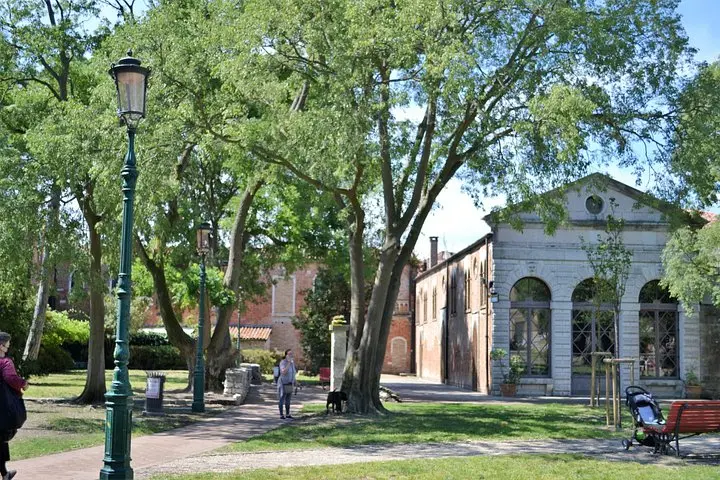
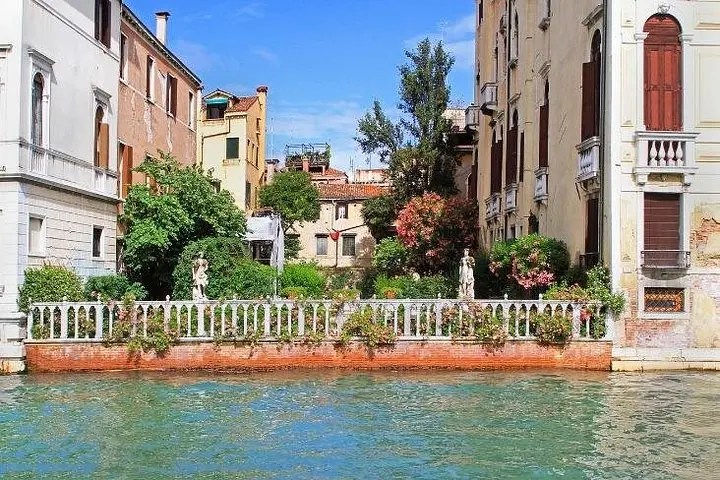
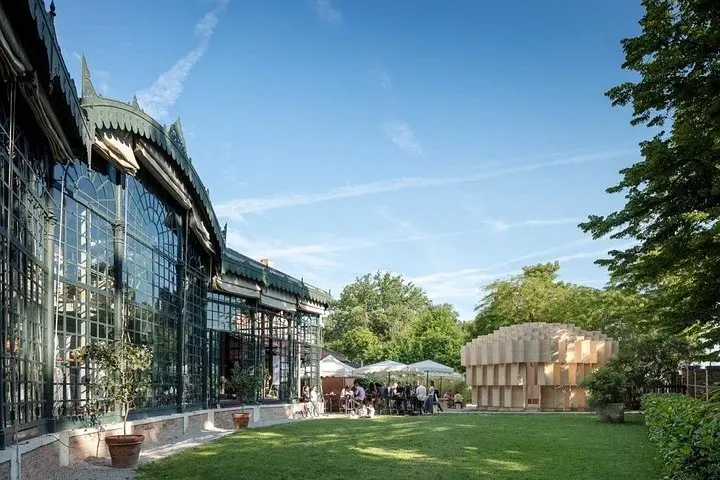
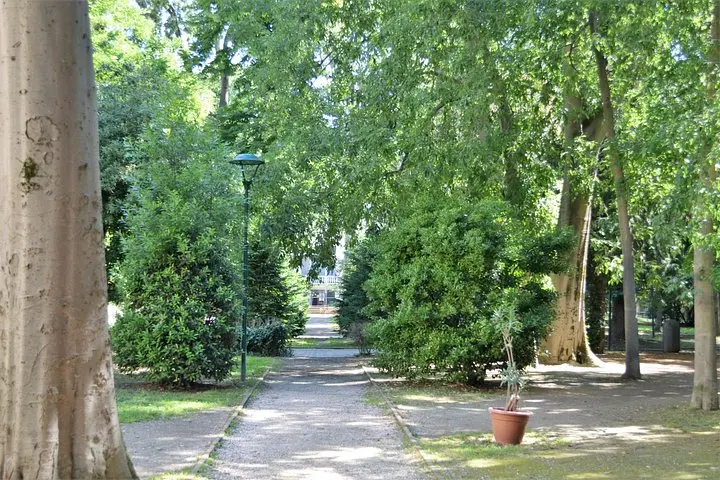
You step off a narrow calle and the city’s clatter falls away as brick walls part to reveal a cool pocket of green. In these hidden courtyards and monastery cloisters, the scent of citrus and geraniums cuts through canal air; vines climb palazzo facades and pergolas cast patterned shade over quiet benches.
You step off a narrow calle and the city’s clatter falls away as brick walls part to reveal a cool pocket of green. In these hidden courtyards and monastery cloisters, the scent of citrus and geraniums cuts through canal air; vines climb palazzo facades and pergolas cast patterned shade over quiet benches.
Venice’s gardens are older than many of its tourist routes. Private noble plots, monastic orchards and small public parks grew in the city’s interstices from the Renaissance onward—patches of cultivated soil on consolidated islets beside the Arsenale’s shipyards and the once-closed courtyards of convents. Geologically the city sits on compacted lagoon silt; these gardens survive in raised beds and stone planters, their soil management a small engineering feat among the city’s foundations.
Culturally, gardens have been both status symbols and places of retreat—quiet venues for local theatre, musical rehearsals and neighborhood gatherings rather than tourist spectacles. On this two-hour walk you’ll pass community garden centers, a nuns’ cloister that opens for visitors, and a northern-lagoon view framed by modern sculpture.
Practical guidance: the route is flat but includes cobbles and narrow passages—wear comfortable shoes and bring a small bottle of water. Entrance to some private spaces is included; on certain dates non-resident visitors may pay a municipal access fee (check current rules). Tours are best in the morning or late afternoon for cooler light and fewer crowds. Move quietly, follow the guide’s instructions in private gardens, and leave plants and seating undisturbed so these green rooms remain for locals as well as travelers.