THE ADVENTURE COLLECTIVE® · Independent discovery and booking for outdoor travel

Explore Lima’s quieter center on a 2.5-hour walking tour that pairs lesser-known plazas and the Museum of Italian Art with a concluding Pisco Sour. Perfect for travelers who want history, architecture and a taste of local life in a compact stroll.
Explore Lima’s quieter center on a 2.5-hour walking tour that pairs lesser-known plazas and the Museum of Italian Art with a concluding Pisco Sour. Perfect for travelers who want history, architecture and a taste of local life in a compact stroll.
You step off the traffic of Avenida Arequipa into a quieter sequence of plazas, stone facades and shaded benches. The air holds the salt of the nearby coast and the bright citrus of street cafés as your guide traces a line through Lima’s less-traveled center — from the century-old exhibition grounds to the tucked-away Recoleta and a compact museum of Italian art.
Verified experiences and guided adventures in the surrounding area.
Operated by Arte Lima Tours · Lima, Lima
You step off the traffic of Avenida Arequipa into a quieter sequence of plazas, stone facades and shaded benches. The air holds the salt of the nearby coast and the bright citrus of street cafés as your guide traces a line through Lima’s less-traveled center — from the century-old exhibition grounds to the tucked-away Recoleta and a compact museum of Italian art.
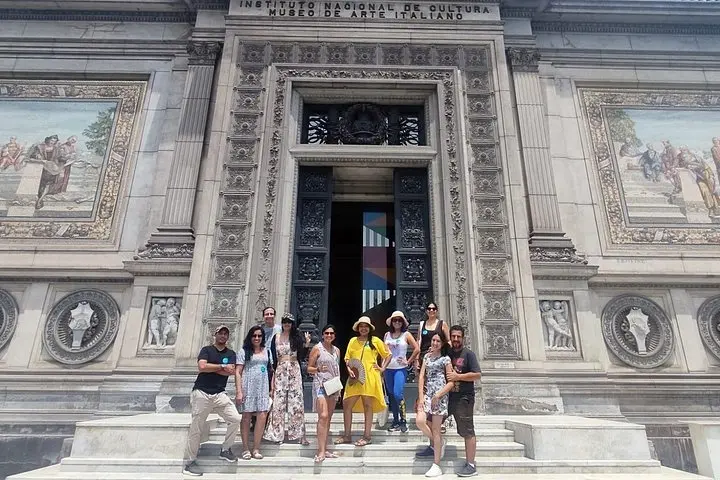
This route threads modern Lima with its Republican-era architecture and immigrant stories. The Italian Art Museum, opened as a gift from Lima’s Italian community in 1923, displays early-20th-century European works in a building that marks Peru’s centennial civic pride. Nearby Plaza San Martín and the civic avenues show layers of 19th- and 20th-century urban planning: judicial palaces, theaters and hotel façades that map the city’s political and cultural shifts.
Streets are mostly paved and flat with short stair runs; expect urban walking on sidewalks, occasional cobbles and a few interior staircases inside historic houses. The walk ends at a restored mansion-turned-café where a classic Pisco Sour is poured — a good moment to taste local hospitality and the citrus-forward national cocktail.
Plan for comfortable shoes, small-amount cash for tips or snacks and a light jacket for Lima’s coastal mist. Morning tours avoid midday heat and offer crisper light for photos. Bring water, wear sunscreen and listen closely to the guide: the best details here are in the stories between buildings, not on the main boulevards.
The tour lasts about 150 minutes (2.5 hours) and finishes at a historic café where a Pisco Sour is served.
Yes, admission to the Museum of Italian Art is included as part of the itinerary.
Guides commonly speak Spanish and often provide English commentary; confirm the language when booking.
The route is generally easy but includes brief staircases and standing; it’s not recommended for pregnant travelers per the tour operator’s policy.
Arte Lima Tours operates guided outdoor trips and adventures with an emphasis on safety, stewardship, and memorable experiences.
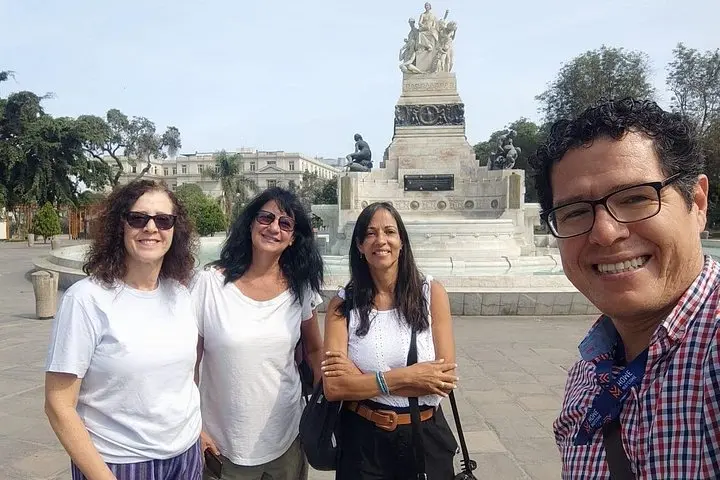
You step off the traffic of Avenida Arequipa into a quieter sequence of plazas, stone facades and shaded benches. The air holds the salt of the nearby coast and the bright citrus of street cafés as your guide traces a line through Lima’s less-traveled center — from the century-old exhibition grounds to the tucked-away Recoleta and a compact museum of Italian art.
You step off the traffic of Avenida Arequipa into a quieter sequence of plazas, stone facades and shaded benches. The air holds the salt of the nearby coast and the bright citrus of street cafés as your guide traces a line through Lima’s less-traveled center — from the century-old exhibition grounds to the tucked-away Recoleta and a compact museum of Italian art.
This route threads modern Lima with its Republican-era architecture and immigrant stories. The Italian Art Museum, opened as a gift from Lima’s Italian community in 1923, displays early-20th-century European works in a building that marks Peru’s centennial civic pride. Nearby Plaza San Martín and the civic avenues show layers of 19th- and 20th-century urban planning: judicial palaces, theaters and hotel façades that map the city’s political and cultural shifts.
Streets are mostly paved and flat with short stair runs; expect urban walking on sidewalks, occasional cobbles and a few interior staircases inside historic houses. The walk ends at a restored mansion-turned-café where a classic Pisco Sour is poured — a good moment to taste local hospitality and the citrus-forward national cocktail.
Plan for comfortable shoes, small-amount cash for tips or snacks and a light jacket for Lima’s coastal mist. Morning tours avoid midday heat and offer crisper light for photos. Bring water, wear sunscreen and listen closely to the guide: the best details here are in the stories between buildings, not on the main boulevards.