THE ADVENTURE COLLECTIVE® · Independent discovery and booking for outdoor travel

Follow the rivalries and hidden corners where Bernini, Borromini and Caravaggio lived and worked. This 2¾-hour walking tour through Rome’s historic center mixes art history, street-level geology and practical tips to explore Baroque life.
Follow the rivalries and hidden corners where Bernini, Borromini and Caravaggio lived and worked. This 2¾-hour walking tour through Rome’s historic center mixes art history, street-level geology and practical tips to explore Baroque life.
Morning light slices between narrow streets as the guide gathers the group near a square where pigeons and tourists compete for space. The walk moves like a slow revelation: a tucked-away church door, a fresco peeking above a cornice, the curve of a fountain that Bernini once argued over. This is a walking tour that follows the footsteps—and the rivalries—of Bernini, Borromini and Caravaggio through Rome's historic center.
Verified experiences and guided adventures in the surrounding area.
Operated by Luisa Belviso · Rome, Lazio
Morning light slices between narrow streets as the guide gathers the group near a square where pigeons and tourists compete for space. The walk moves like a slow revelation: a tucked-away church door, a fresco peeking above a cornice, the curve of a fountain that Bernini once argued over. This is a walking tour that follows the footsteps—and the rivalries—of Bernini, Borromini and Caravaggio through Rome's historic center.
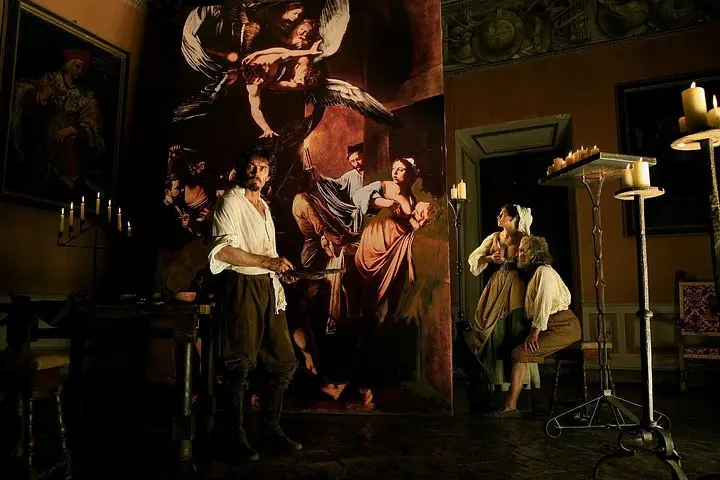
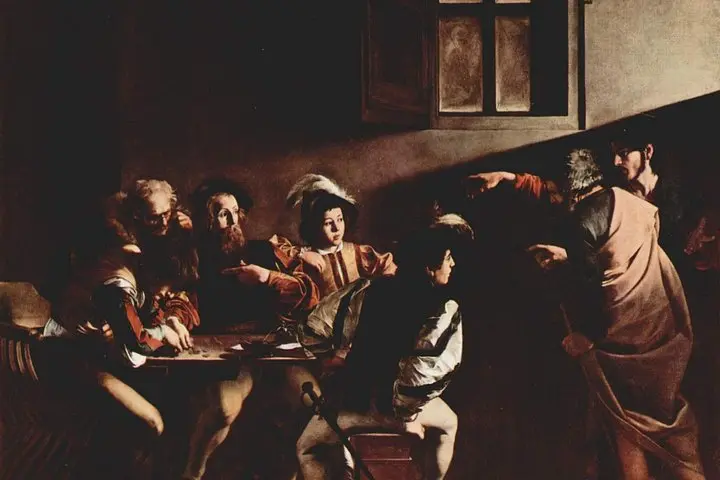
The route threads through stone built from volcanic tufa and travertine, across piazzas that grew from ancient forum grids into theatrical stages for Baroque spectacle. Expect stops at the Pantheon's dome and tombs, the columns of Piazza di Pietra (the Temple of Hadrian), and intimate churches where Caravaggio’s chiaroscuro still arrests the eye. Beyond biographies, the guide sketches social life: patronage, public fights, and the courtesans and cardinals who fueled commissions.
Practical details are straightforward: the stroll is mostly on paved streets with short standing periods in churches and squares. The tour runs roughly 2¾ hours, covers about 2–3 km at a relaxed pace, and is suitable for most fitness levels. Wear supportive shoes for cobbles, bring a refillable water bottle, and plan for security checks at major churches. Mornings avoid the worst crowds; late afternoons soften the light on domes and alleys.
This experience pairs cultural depth with urban navigation—an efficient, sensory way to understand how art, stone, and human rivalry shaped Rome's Baroque face.
The experience lasts about 165 minutes and covers roughly 2–3 km at a relaxed pace with multiple short stops.
The itinerary notes some admissions are not applicable; check booking details for which sites include admission—security checks can still apply.
Yes, the tour is listed as stroller accessible and suitable for all fitness levels, though cobbles can be bumpy for prams.
Confirm the language when booking; the listing indicates a private guide but language availability may vary.
Luisa Belviso operates guided outdoor trips and adventures with an emphasis on safety, stewardship, and memorable experiences.
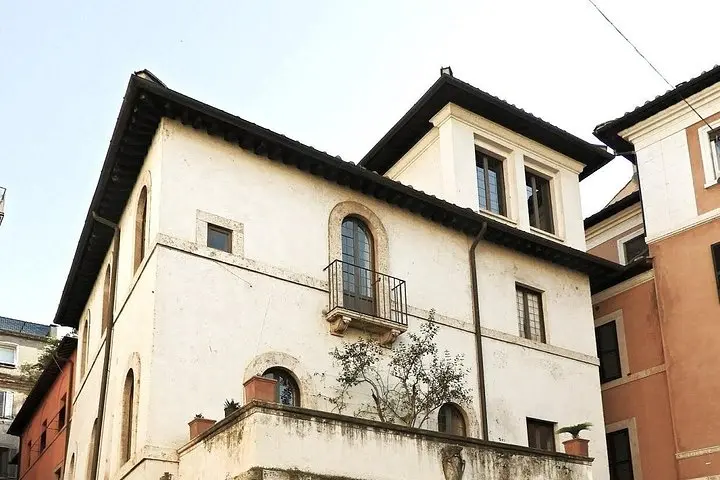
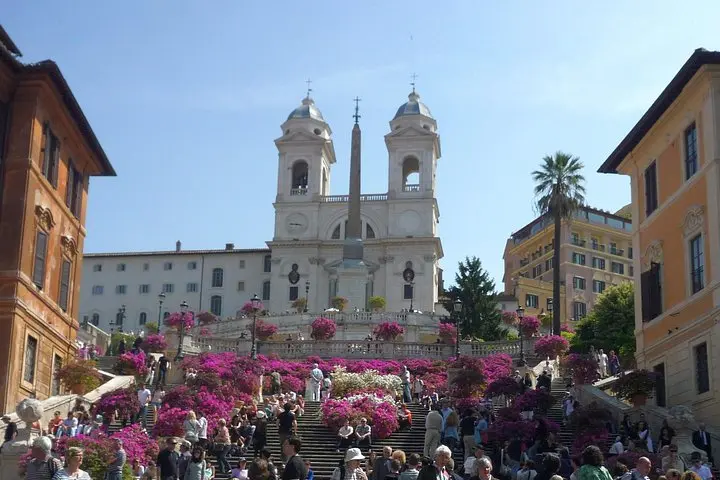
Morning light slices between narrow streets as the guide gathers the group near a square where pigeons and tourists compete for space. The walk moves like a slow revelation: a tucked-away church door, a fresco peeking above a cornice, the curve of a fountain that Bernini once argued over. This is a walking tour that follows the footsteps—and the rivalries—of Bernini, Borromini and Caravaggio through Rome's historic center.
Morning light slices between narrow streets as the guide gathers the group near a square where pigeons and tourists compete for space. The walk moves like a slow revelation: a tucked-away church door, a fresco peeking above a cornice, the curve of a fountain that Bernini once argued over. This is a walking tour that follows the footsteps—and the rivalries—of Bernini, Borromini and Caravaggio through Rome's historic center.
The route threads through stone built from volcanic tufa and travertine, across piazzas that grew from ancient forum grids into theatrical stages for Baroque spectacle. Expect stops at the Pantheon's dome and tombs, the columns of Piazza di Pietra (the Temple of Hadrian), and intimate churches where Caravaggio’s chiaroscuro still arrests the eye. Beyond biographies, the guide sketches social life: patronage, public fights, and the courtesans and cardinals who fueled commissions.
Practical details are straightforward: the stroll is mostly on paved streets with short standing periods in churches and squares. The tour runs roughly 2¾ hours, covers about 2–3 km at a relaxed pace, and is suitable for most fitness levels. Wear supportive shoes for cobbles, bring a refillable water bottle, and plan for security checks at major churches. Mornings avoid the worst crowds; late afternoons soften the light on domes and alleys.
This experience pairs cultural depth with urban navigation—an efficient, sensory way to understand how art, stone, and human rivalry shaped Rome's Baroque face.