THE ADVENTURE COLLECTIVE® · Independent discovery and booking for outdoor travel

Take a two-hour guided walk from City Hall into Charleston’s narrow alleys and quiet courtyards. Secret Strolls uncovers architectural details, Lowcountry stories, and photo-ready corners that most visitors miss.
Take a two-hour guided walk from City Hall into Charleston’s narrow alleys and quiet courtyards. Secret Strolls uncovers architectural details, Lowcountry stories, and photo-ready corners that most visitors miss.
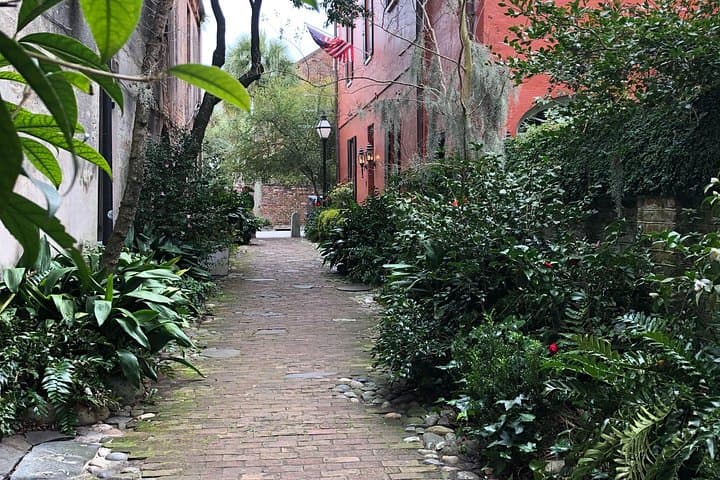
The sun warms the brick and the Spanish moss flutters like a slow applause as your guide leads you through an alleyway that many visitors never find. Secret Strolls begins at City Hall and threads through narrow passageways, popping into small courtyards, church yards, and quiet lanes where the city’s everyday life still unfolds.
Verified experiences and guided adventures in the surrounding area.
Operated by Walk It! Charleston · Charleston, South Carolina
The sun warms the brick and the Spanish moss flutters like a slow applause as your guide leads you through an alleyway that many visitors never find. Secret Strolls begins at City Hall and threads through narrow passageways, popping into small courtyards, church yards, and quiet lanes where the city’s everyday life still unfolds.
Charleston’s alleys grew from practical needs — service routes, carriage passages, and shaded shortcuts — and today they reveal layers of the Lowcountry’s social and architectural history. You’ll pass Federal- and Georgian-era facades, stonemason marks on old bricks, and live oaks that shade colonial-era graveyards. The geology of the peninsula — low-lying coastal sediments atop a sandstone base — explains the compact street grid and the prevalence of raised homes and cobbled drains.
Culturally, these paths carry stories: Gullah influences, merchant family histories, and the quiet persistence of neighborhood life that resists tourist routes. Guides point out details — carved stone dates, ironwork patterns, and the reasons alleys are narrower or wider — giving context to what the camera captures.
Practical guidance: expect two hours of mostly flat walking on cobbles and pavement; comfortable shoes are essential. Morning or late afternoon hours offer cooler light for photos and fewer crowds. Carry a reusable water bottle, a light rain layer in humid months, and bring curiosity rather than a rigid schedule — many highlights are discovered by slowing your pace.
This tour suits anyone who can handle short walks and stairs, and who wants a fresh, intimate perspective on Charleston beyond the main thoroughfares.
The meeting point is in front of City Hall at the NE corner of Meeting and Broad Streets; the tour ends at or within a block of the same spot.
Many streets are flat but cobblestones and narrow alleys can be challenging; contact the operator ahead to discuss accommodations.
Yes — the tour is family-friendly, though parents should be prepared for walking and brief periods near traffic.
Full refund if you cancel at least 24 hours before the scheduled departure; no refund within 24 hours of the tour.
Walk It! Charleston operates guided outdoor trips and adventures with an emphasis on safety, stewardship, and memorable experiences.

The sun warms the brick and the Spanish moss flutters like a slow applause as your guide leads you through an alleyway that many visitors never find. Secret Strolls begins at City Hall and threads through narrow passageways, popping into small courtyards, church yards, and quiet lanes where the city’s everyday life still unfolds.
The sun warms the brick and the Spanish moss flutters like a slow applause as your guide leads you through an alleyway that many visitors never find. Secret Strolls begins at City Hall and threads through narrow passageways, popping into small courtyards, church yards, and quiet lanes where the city’s everyday life still unfolds.
Charleston’s alleys grew from practical needs — service routes, carriage passages, and shaded shortcuts — and today they reveal layers of the Lowcountry’s social and architectural history. You’ll pass Federal- and Georgian-era facades, stonemason marks on old bricks, and live oaks that shade colonial-era graveyards. The geology of the peninsula — low-lying coastal sediments atop a sandstone base — explains the compact street grid and the prevalence of raised homes and cobbled drains.
Culturally, these paths carry stories: Gullah influences, merchant family histories, and the quiet persistence of neighborhood life that resists tourist routes. Guides point out details — carved stone dates, ironwork patterns, and the reasons alleys are narrower or wider — giving context to what the camera captures.
Practical guidance: expect two hours of mostly flat walking on cobbles and pavement; comfortable shoes are essential. Morning or late afternoon hours offer cooler light for photos and fewer crowds. Carry a reusable water bottle, a light rain layer in humid months, and bring curiosity rather than a rigid schedule — many highlights are discovered by slowing your pace.
This tour suits anyone who can handle short walks and stairs, and who wants a fresh, intimate perspective on Charleston beyond the main thoroughfares.