THE ADVENTURE COLLECTIVE® · Independent discovery and booking for outdoor travel

Explore the lesser-known green edge of Amsterdam with a self-guided GPS game that mixes local history, puzzles, and photo challenges. Perfect for small groups or solo players who want an active, flexible way to learn the area's stories.
Explore the lesser-known green edge of Amsterdam with a self-guided GPS game that mixes local history, puzzles, and photo challenges. Perfect for small groups or solo players who want an active, flexible way to learn the area's stories.
The path opens between allotment plots and scrubby meadow, the city’s edge slipping away with each solved riddle. Players tap a phone, follow a waypoint, and the Gardens of West reveal themselves in stops: reclaimed fields, small ponds, community gardens and repurposed military traces that hint at the area’s past.
Verified experiences and guided adventures in the surrounding area.
Operated by City Game · Amsterdam, Noord-Holland
The path opens between allotment plots and scrubby meadow, the city’s edge slipping away with each solved riddle. Players tap a phone, follow a waypoint, and the Gardens of West reveal themselves in stops: reclaimed fields, small ponds, community gardens and repurposed military traces that hint at the area’s past.
This part of Amsterdam was shaped by 20th-century land use—temporary barracks, later allotments and light industry—before evolving into green projects and social gardens. Geologically, these are low-lying polder landscapes; expect clay soils, drainage ditches and the slow, level relief typical of western Amsterdam. Culturally, the area reflects community stewardship: volunteer-run plots, local art projects and sustainable initiatives that transformed former utility land into public green space.
The game threads these facts into puzzles that push players off the main paths and toward small landmarks: a restored ammunition-store foundation, a willow-lined canal, a field used for seasonal grazing. Wildlife is subtle—waterfowl and songbirds more than large mammals—but the quiet feels distinctly rural compared to the ring road nearby.
Practical guidance: this is a two-hour, low-impact walk that runs on a smartphone (Loquiz app). Wear waterproof shoes if rain is forecast and bring a power bank; some clues are photo tasks that require good lighting and steady frames. Public transport gets you close, but allow extra time for navigation between waypoints. Groups of up to four share one device per ticket, and the self-guided format means you can pause and resume without missing a beat.
One ticket covers 1–4 people using a single device; for groups larger than four, purchase additional tickets so multiple teams can play concurrently.
Yes—download the Loquiz app in advance and follow the emailed instructions to access the game; having it installed speeds your start.
Paths in the Gardens of West include uneven grassy and dirt sections and may not be fully accessible; participants with mobility concerns should check specific trail conditions beforehand.
Yes—the self-guided format allows you to pause and continue at your own pace within your booked time window.
City Game operates guided outdoor trips and adventures with an emphasis on safety, stewardship, and memorable experiences.



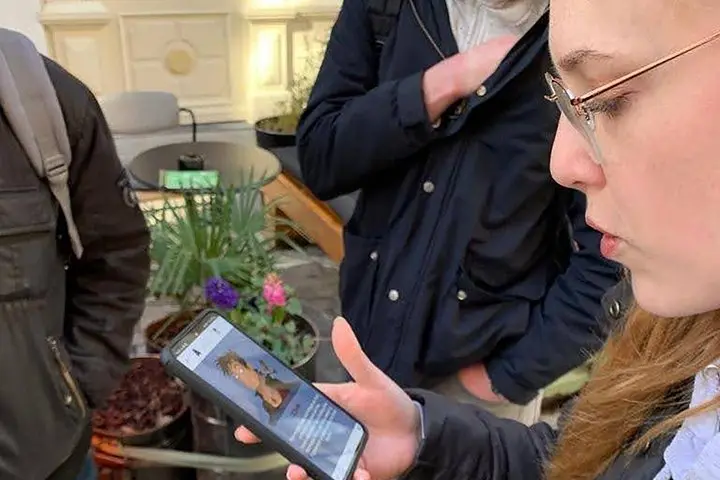
The path opens between allotment plots and scrubby meadow, the city’s edge slipping away with each solved riddle. Players tap a phone, follow a waypoint, and the Gardens of West reveal themselves in stops: reclaimed fields, small ponds, community gardens and repurposed military traces that hint at the area’s past.
The path opens between allotment plots and scrubby meadow, the city’s edge slipping away with each solved riddle. Players tap a phone, follow a waypoint, and the Gardens of West reveal themselves in stops: reclaimed fields, small ponds, community gardens and repurposed military traces that hint at the area’s past.
This part of Amsterdam was shaped by 20th-century land use—temporary barracks, later allotments and light industry—before evolving into green projects and social gardens. Geologically, these are low-lying polder landscapes; expect clay soils, drainage ditches and the slow, level relief typical of western Amsterdam. Culturally, the area reflects community stewardship: volunteer-run plots, local art projects and sustainable initiatives that transformed former utility land into public green space.
The game threads these facts into puzzles that push players off the main paths and toward small landmarks: a restored ammunition-store foundation, a willow-lined canal, a field used for seasonal grazing. Wildlife is subtle—waterfowl and songbirds more than large mammals—but the quiet feels distinctly rural compared to the ring road nearby.
Practical guidance: this is a two-hour, low-impact walk that runs on a smartphone (Loquiz app). Wear waterproof shoes if rain is forecast and bring a power bank; some clues are photo tasks that require good lighting and steady frames. Public transport gets you close, but allow extra time for navigation between waypoints. Groups of up to four share one device per ticket, and the self-guided format means you can pause and resume without missing a beat.