THE ADVENTURE COLLECTIVE® · Independent discovery and booking for outdoor travel

Walk Geneva’s waterfront from historic hydraulic works to the Jet d’Eau, then cap the route with a local apéritif and short cruise. This three-hour tour mixes civic history, riverside stories and regional flavors.
Walk Geneva’s waterfront from historic hydraulic works to the Jet d’Eau, then cap the route with a local apéritif and short cruise. This three-hour tour mixes civic history, riverside stories and regional flavors.
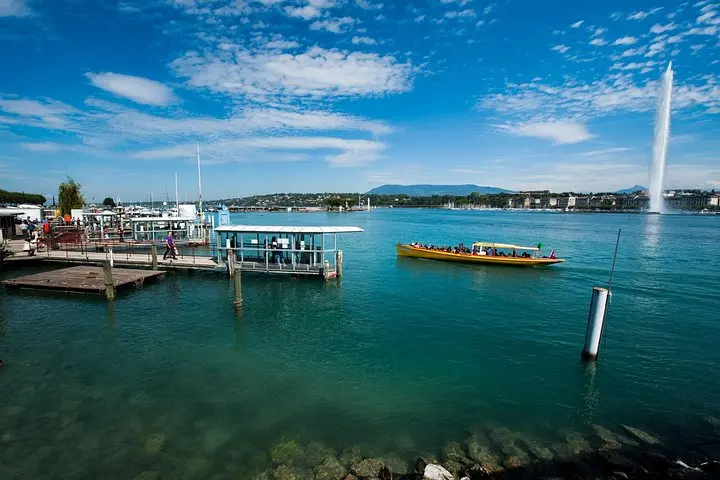
Step onto the quay as water throws itself skyward and the city exhales—this walking tour threads Geneva’s waterfront from hydraulic works to the towering Jet d’Eau, ending with a relaxed apéritif and a short boat cruise.
Verified experiences and guided adventures in the surrounding area.
Operated by Keytours (Switzerland) · Geneva, Canton of Geneva
Step onto the quay as water throws itself skyward and the city exhales—this walking tour threads Geneva’s waterfront from hydraulic works to the towering Jet d’Eau, ending with a relaxed apéritif and a short boat cruise.
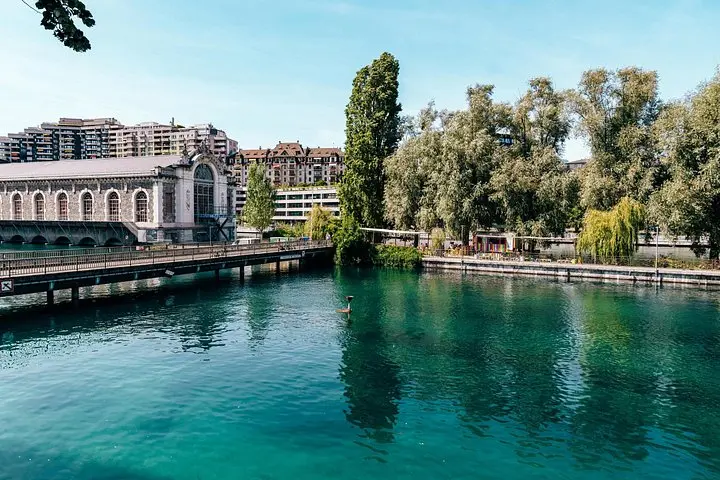
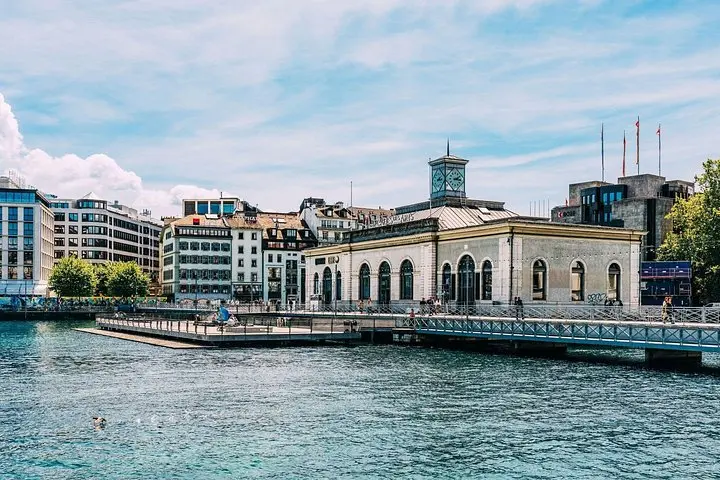
The route follows the Rhône’s brief but decisive run from Lake Geneva, passing industrial-era pumping stations that powered the city’s mills and wash-houses. You’ll hear how waterways shaped trade, finance and urban life here: Halles de l’Île moved from meat market to social hub, Bel-Air transformed from machine district to banking quarter, and the Jet d’Eau itself began as a safety valve before becoming a civic emblem.
Geology and city planning are visible in plain sight—glacially scoured lake edge, compact urban blocks, and channels carved for industry. Guides layer archival photographs and local legends onto these features, creating a sense of place that’s equal parts civic history and waterfront character.
Practical guidance: plan for roughly three hours on foot with short, level city walking; comfortable shoes and a light rain layer are recommended year-round. Public transport reaches the start point and the tour uses a mini-train and a short boat segment, so mobility that handles steps and curbs is helpful. Expect city pavements, occasional cobbles, and close-up views of the fountain—bring a windbreaker if you want to stand near the spray.
Timing late afternoon yields warm light for photos and a mellow apéritif atmosphere. This is an urban stroll with history, water, and small plates—ideal for travelers who want relaxed exploration with local flavor.
The tour is approximately three hours and includes a guided walking route, a brief mini-train/boat segment, a slideshow of historic photos, and a local apéritif with regional products.
You can view the fountain from close vantage points along the quay; expect spray and wind near the launch area—bring a protective layer.
Local products are served; inform the operator of dietary restrictions at booking so alternatives can be arranged when possible.
The start is near Batiments des Forces Motrices on the Rhône—well served by Geneva’s tram and bus network; public transport details are provided at booking.
Keytours (Switzerland) operates guided outdoor trips and adventures with an emphasis on safety, stewardship, and memorable experiences.
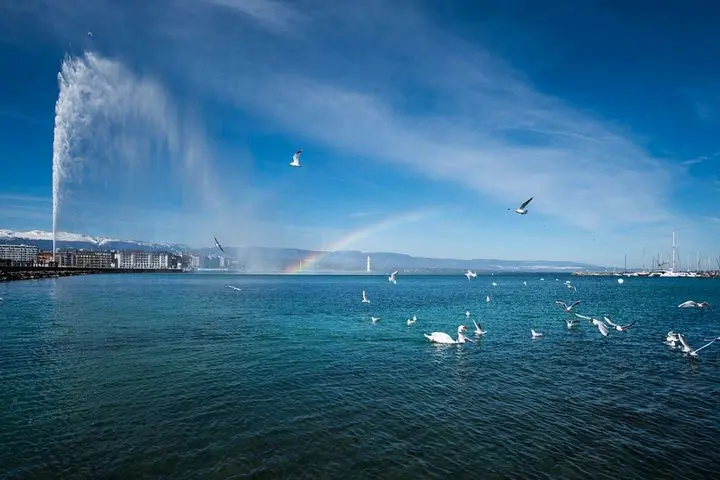
Step onto the quay as water throws itself skyward and the city exhales—this walking tour threads Geneva’s waterfront from hydraulic works to the towering Jet d’Eau, ending with a relaxed apéritif and a short boat cruise.
Step onto the quay as water throws itself skyward and the city exhales—this walking tour threads Geneva’s waterfront from hydraulic works to the towering Jet d’Eau, ending with a relaxed apéritif and a short boat cruise.
The route follows the Rhône’s brief but decisive run from Lake Geneva, passing industrial-era pumping stations that powered the city’s mills and wash-houses. You’ll hear how waterways shaped trade, finance and urban life here: Halles de l’Île moved from meat market to social hub, Bel-Air transformed from machine district to banking quarter, and the Jet d’Eau itself began as a safety valve before becoming a civic emblem.
Geology and city planning are visible in plain sight—glacially scoured lake edge, compact urban blocks, and channels carved for industry. Guides layer archival photographs and local legends onto these features, creating a sense of place that’s equal parts civic history and waterfront character.
Practical guidance: plan for roughly three hours on foot with short, level city walking; comfortable shoes and a light rain layer are recommended year-round. Public transport reaches the start point and the tour uses a mini-train and a short boat segment, so mobility that handles steps and curbs is helpful. Expect city pavements, occasional cobbles, and close-up views of the fountain—bring a windbreaker if you want to stand near the spray.
Timing late afternoon yields warm light for photos and a mellow apéritif atmosphere. This is an urban stroll with history, water, and small plates—ideal for travelers who want relaxed exploration with local flavor.