THE ADVENTURE COLLECTIVE® · Independent discovery and booking for outdoor travel

A compact, research-driven walking tour that uncovers personal stories and overlooked sites in Gettysburg. Spend about 85 minutes walking the town’s streets, where small details reveal larger Civil War truths.
A compact, research-driven walking tour that uncovers personal stories and overlooked sites in Gettysburg. Spend about 85 minutes walking the town’s streets, where small details reveal larger Civil War truths.
You step off Steinwehr Avenue and the street exhales history: brick facades, a tavern door that has seen generations, and sidewalks that guide you past house fronts still bearing the scars of 1863. The tour threads through downtown Gettysburg, where stone and iron markers hold stories the guide pulls into clear light—personal letters, civilian experiences, and local characters often left out of battlefield diagrams.
Verified experiences and guided adventures in the surrounding area.
Operated by Civil War Ghosts By Us Ghost Adventures · Gettysburg, Pennsylvania
You step off Steinwehr Avenue and the street exhales history: brick facades, a tavern door that has seen generations, and sidewalks that guide you past house fronts still bearing the scars of 1863. The tour threads through downtown Gettysburg, where stone and iron markers hold stories the guide pulls into clear light—personal letters, civilian experiences, and local characters often left out of battlefield diagrams.
Gettysburg’s significance is geological and human; the town sits on rolling limestone ridges that funneled armies and shaped the battle lines. Cultural life here is defined by preservation—families who remained, taverns that became field hospitals, and a civic memory that produced Lincoln’s brief, consequential address. Stops include the Dobbin House Tavern, Jennie Wade’s home, and passages through the National Cemetery area, each examined with research-backed anecdotes that connect names and monuments to real people.
Expect about 1–1.5 miles of mostly paved walking with limited elevation change and several standing stops for storytelling and questions. Photography is welcomed; wear comfortable shoes and layer for spring or fall breezes. Tours are suitable for most fitness levels and accessible on relatively even surfaces. Plan to arrive 10 minutes early at the meeting point in front of Dobbin House, and bring water—Gettysburg’s summer sun can push the pace. In short: this is a compact, immersive way to see beyond maps and monuments and meet the town that keeps a nation’s memory in public view.
Yes—logistics indicate wheelchair-accessible paths and surfaces; contact the operator ahead if you need assistance.
Your guide meets the group in front of Dobbin House Tavern on Steinwehr Avenue and will be wearing a Junket shirt.
Shared tours can include up to 40 travelers; groups are kept together with regular stops for commentary and questions.
Yes—surfaces are stroller-accessible, but be prepared for intermittent crowding and stops on sidewalks.
Civil War Ghosts By Us Ghost Adventures operates guided outdoor trips and adventures with an emphasis on safety, stewardship, and memorable experiences.
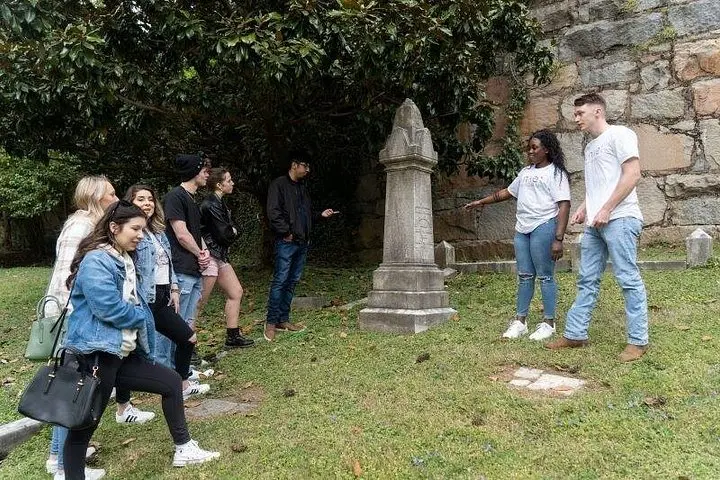

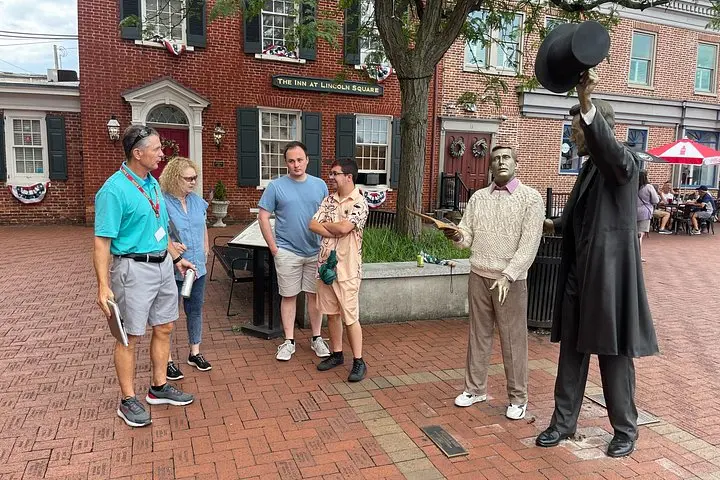
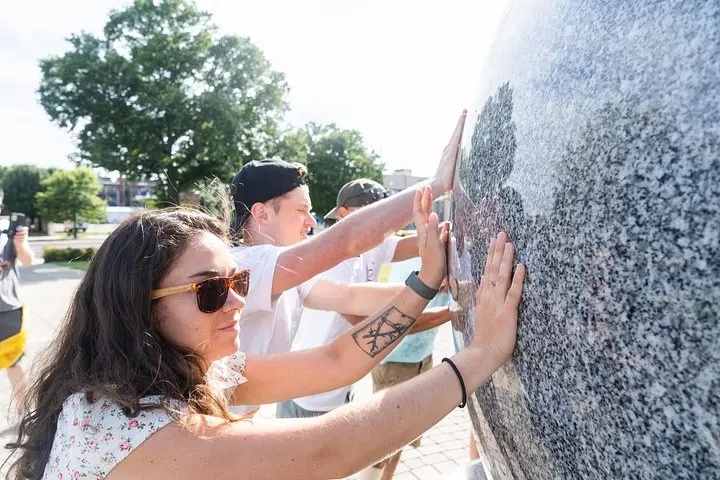
You step off Steinwehr Avenue and the street exhales history: brick facades, a tavern door that has seen generations, and sidewalks that guide you past house fronts still bearing the scars of 1863. The tour threads through downtown Gettysburg, where stone and iron markers hold stories the guide pulls into clear light—personal letters, civilian experiences, and local characters often left out of battlefield diagrams.
You step off Steinwehr Avenue and the street exhales history: brick facades, a tavern door that has seen generations, and sidewalks that guide you past house fronts still bearing the scars of 1863. The tour threads through downtown Gettysburg, where stone and iron markers hold stories the guide pulls into clear light—personal letters, civilian experiences, and local characters often left out of battlefield diagrams.
Gettysburg’s significance is geological and human; the town sits on rolling limestone ridges that funneled armies and shaped the battle lines. Cultural life here is defined by preservation—families who remained, taverns that became field hospitals, and a civic memory that produced Lincoln’s brief, consequential address. Stops include the Dobbin House Tavern, Jennie Wade’s home, and passages through the National Cemetery area, each examined with research-backed anecdotes that connect names and monuments to real people.
Expect about 1–1.5 miles of mostly paved walking with limited elevation change and several standing stops for storytelling and questions. Photography is welcomed; wear comfortable shoes and layer for spring or fall breezes. Tours are suitable for most fitness levels and accessible on relatively even surfaces. Plan to arrive 10 minutes early at the meeting point in front of Dobbin House, and bring water—Gettysburg’s summer sun can push the pace. In short: this is a compact, immersive way to see beyond maps and monuments and meet the town that keeps a nation’s memory in public view.