THE ADVENTURE COLLECTIVE® · Independent discovery and booking for outdoor travel
Turn Kraków’s medieval streets into a live puzzle: start at St. Mary’s Basilica, solve riddles among the Barbican and Wawel Castle, and unlock local stories on a flexible, two-hour self-guided route. Perfect for curious travelers who like history on the move.
Turn Kraków’s medieval streets into a live puzzle: start at St. Mary’s Basilica, solve riddles among the Barbican and Wawel Castle, and unlock local stories on a flexible, two-hour self-guided route. Perfect for curious travelers who like history on the move.
You open a smartphone link in the shadow of St. Mary’s Basilica and the old market breathes around you—cobbled squares, a trumpet call slicing the air, and the Barbican’s stone curve pointing toward the forgotten alleys.
Verified experiences and guided adventures in the surrounding area.
Operated by City Game · Kraków, Lesser Poland Voivodeship
You open a smartphone link in the shadow of St. Mary’s Basilica and the old market breathes around you—cobbled squares, a trumpet call slicing the air, and the Barbican’s stone curve pointing toward the forgotten alleys.
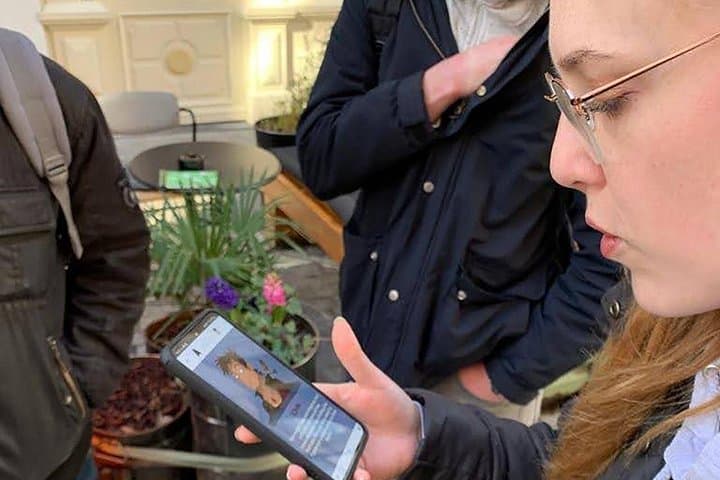
This self-guided exploration game threads history and street-level curiosity. Players follow GPS clues across the medieval core: St. Mary’s Basilica (home of the hejnał), St. Florian’s Gate and the defensive Barbican, the lecture halls of Jagiellonian University, and Wawel Castle overlooking the Vistula—whose current seems to dare you to look downstream. The route leans on Kraków’s layered past: medieval trade, the Polish-Lithuanian Commonwealth’s Renaissance, and literary echoes from Adam Mickiewicz’s Pan Tadeusz woven into puzzles and photo challenges.
Geology here is quiet: glacially smoothed plains give way to river terraces that shaped the city’s defensive siting. Culture surfaces in street musicians, market stalls, and university courtyards where centuries of thought still echo. Local tips—start early to avoid crowds at the square and follow tram tracks carefully—keep the game feeling playful rather than rushed.
Practicalities: plan ~2 hours, bring a charged smartphone and a small power bank, and wear shoes that handle uneven cobbles. One ticket covers 1–4 players; pause anytime and pick up later. Public transit and cafés pepper the route if you need a break, and many sites are viewable without entry tickets. The experience balances sightseeing with a scavenger hunt’s momentum—ideal for travelers wanting context, movement, and a city’s stories served up in clues.
One ticket covers a group of 1–4 players; buy additional tickets for larger groups.
The game begins at St. Mary’s Basilica in Kraków’s Main Market Square—open the provided link there to start.
No—most clues are designed around exterior views and public spaces, though optional entries can be added if you want to explore inside.
Yes. The experience is self-guided and can be paused, letting you continue from the same point when ready.
City Game operates guided outdoor trips and adventures with an emphasis on safety, stewardship, and memorable experiences.
You open a smartphone link in the shadow of St. Mary’s Basilica and the old market breathes around you—cobbled squares, a trumpet call slicing the air, and the Barbican’s stone curve pointing toward the forgotten alleys.
You open a smartphone link in the shadow of St. Mary’s Basilica and the old market breathes around you—cobbled squares, a trumpet call slicing the air, and the Barbican’s stone curve pointing toward the forgotten alleys.
This self-guided exploration game threads history and street-level curiosity. Players follow GPS clues across the medieval core: St. Mary’s Basilica (home of the hejnał), St. Florian’s Gate and the defensive Barbican, the lecture halls of Jagiellonian University, and Wawel Castle overlooking the Vistula—whose current seems to dare you to look downstream. The route leans on Kraków’s layered past: medieval trade, the Polish-Lithuanian Commonwealth’s Renaissance, and literary echoes from Adam Mickiewicz’s Pan Tadeusz woven into puzzles and photo challenges.
Geology here is quiet: glacially smoothed plains give way to river terraces that shaped the city’s defensive siting. Culture surfaces in street musicians, market stalls, and university courtyards where centuries of thought still echo. Local tips—start early to avoid crowds at the square and follow tram tracks carefully—keep the game feeling playful rather than rushed.
Practicalities: plan ~2 hours, bring a charged smartphone and a small power bank, and wear shoes that handle uneven cobbles. One ticket covers 1–4 players; pause anytime and pick up later. Public transit and cafés pepper the route if you need a break, and many sites are viewable without entry tickets. The experience balances sightseeing with a scavenger hunt’s momentum—ideal for travelers wanting context, movement, and a city’s stories served up in clues.
