THE ADVENTURE COLLECTIVE® · Independent discovery and booking for outdoor travel

Explore Norrköping’s industrial heart with a self-guided city game that blends GPS puzzles, photo challenges, and historical vignettes. Start at Sankt Olai and follow the Motala Ström through red-brick quays, bridges, and hidden architectural details on this flexible two-hour walk.
Explore Norrköping’s industrial heart with a self-guided city game that blends GPS puzzles, photo challenges, and historical vignettes. Start at Sankt Olai and follow the Motala Ström through red-brick quays, bridges, and hidden architectural details on this flexible two-hour walk.
A cool wind moves the surface of Motala Ström as players gather at Sankt Olai — the river daring you to follow its cut through red-brick mills and iron bridges. The city game drops you into the Industrial Landscape where chimneys no longer smoke but the stones still keep stories. You walk under archways, across cobbled streets, and pause at bridges that frame the current and the city’s past.
Verified experiences and guided adventures in the surrounding area.
Operated by City Game · Norrköping, Östergötland
A cool wind moves the surface of Motala Ström as players gather at Sankt Olai — the river daring you to follow its cut through red-brick mills and iron bridges. The city game drops you into the Industrial Landscape where chimneys no longer smoke but the stones still keep stories. You walk under archways, across cobbled streets, and pause at bridges that frame the current and the city’s past.
Norrköping grew in the 18th–19th centuries as Sweden’s textile hub; mills and workers’ housing gave the center its rigid geometry. Geology here is simple but telling: a low-lying river valley carved toward the Baltic, with glacially scoured bedrock revealed in quays and footpaths. Culture is civic and hands-on — museums like Arbetets Museum catalog labor history while locals prize fika and practical design.
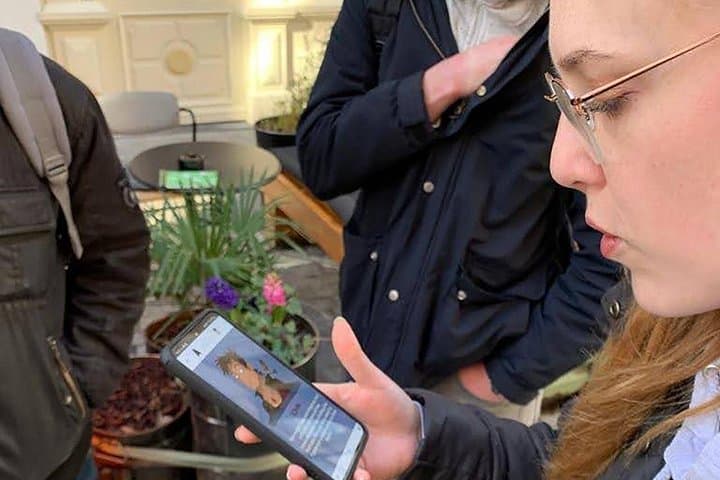
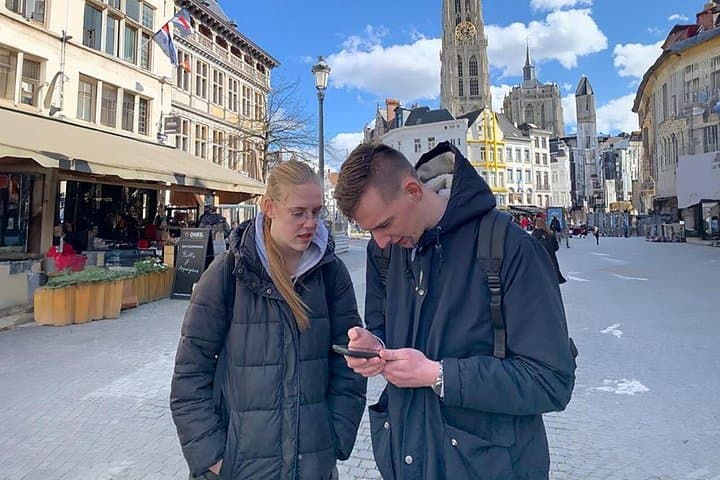
The game pairs short historical briefs with GPS puzzles and photo challenges. Expect stops at Sankt Olai, the industrial riverfront, Gamlebro, and Varmekyrkan, with clues that nudge you into alleys and overlooked façades. It’s less a race than a paced detective walk — roughly two hours, self-paced, playable solo or with a small group.
Practical guidance: start at Sankt Olai with a fully charged smartphone and a power bank, wear comfortable walking shoes (cobbles and stairs present), and set aside 90–150 minutes to explore. Use public transport to return; local cafes are ideal for breaks and scoring photos. The experience is flexible: pause anytime and continue later, making it an easy urban adventure for curious travelers and teams wanting informal team-building.
No app required — you receive a unique web link after booking that runs in your phone’s browser.
One ticket covers a group of up to four players; buy additional tickets for larger groups.
Yes — the self-guided format allows you to pause and continue later from where you left off.
Parts of the industrial riverside and cobbled streets include steps and uneven surfaces; accessibility is limited in some sections.
City Game operates guided outdoor trips and adventures with an emphasis on safety, stewardship, and memorable experiences.
A cool wind moves the surface of Motala Ström as players gather at Sankt Olai — the river daring you to follow its cut through red-brick mills and iron bridges. The city game drops you into the Industrial Landscape where chimneys no longer smoke but the stones still keep stories. You walk under archways, across cobbled streets, and pause at bridges that frame the current and the city’s past.
A cool wind moves the surface of Motala Ström as players gather at Sankt Olai — the river daring you to follow its cut through red-brick mills and iron bridges. The city game drops you into the Industrial Landscape where chimneys no longer smoke but the stones still keep stories. You walk under archways, across cobbled streets, and pause at bridges that frame the current and the city’s past.
Norrköping grew in the 18th–19th centuries as Sweden’s textile hub; mills and workers’ housing gave the center its rigid geometry. Geology here is simple but telling: a low-lying river valley carved toward the Baltic, with glacially scoured bedrock revealed in quays and footpaths. Culture is civic and hands-on — museums like Arbetets Museum catalog labor history while locals prize fika and practical design.
The game pairs short historical briefs with GPS puzzles and photo challenges. Expect stops at Sankt Olai, the industrial riverfront, Gamlebro, and Varmekyrkan, with clues that nudge you into alleys and overlooked façades. It’s less a race than a paced detective walk — roughly two hours, self-paced, playable solo or with a small group.
Practical guidance: start at Sankt Olai with a fully charged smartphone and a power bank, wear comfortable walking shoes (cobbles and stairs present), and set aside 90–150 minutes to explore. Use public transport to return; local cafes are ideal for breaks and scoring photos. The experience is flexible: pause anytime and continue later, making it an easy urban adventure for curious travelers and teams wanting informal team-building.