THE ADVENTURE COLLECTIVE® · Independent discovery and booking for outdoor travel

Walk Rye’s medieval lanes with a Blue Badge guide to uncover smuggling tales, Henry VIII’s Camber Castle views, and the Mermaid Inn’s secretive corners. This private two-hour tour combines close-up history with practical local tips.
Walk Rye’s medieval lanes with a Blue Badge guide to uncover smuggling tales, Henry VIII’s Camber Castle views, and the Mermaid Inn’s secretive corners. This private two-hour tour combines close-up history with practical local tips.
A morning in Rye begins with the click of boots on ancient cobbles and a salt-steeled breeze that pushes inland from the Solent. You step beneath low timbered eaves, past the narrow lanes that funnel toward the Mermaid Inn, and feel the town’s stories press close—the hush of smugglers, the bark of market criers, and the distant outline of Camber Castle across the marsh.
Verified experiences and guided adventures in the surrounding area.
Operated by Fact or Fiction Tours · Rye, East Sussex
A morning in Rye begins with the click of boots on ancient cobbles and a salt-steeled breeze that pushes inland from the Solent. You step beneath low timbered eaves, past the narrow lanes that funnel toward the Mermaid Inn, and feel the town’s stories press close—the hush of smugglers, the bark of market criers, and the distant outline of Camber Castle across the marsh.
The walk threads medieval streets and coastal fringe. Rye’s compact layout dates to Norman and medieval planning; the nearby Romney Marsh is a young landscape of reclaimed saltmarsh and shingle formed by longshore drift and tidal deposition. Smuggling left a visible imprint: hiding places in inns, narrow alleys ideal for covert passage, and local legends like Doctor Syn and the Hawkhurst Gang that shaped community memory. Literary history is present too—the house where Henry James lodged attests to Rye’s draw for writers and artists.
Expect two hours of steady walking on uneven cobbles and short flights of steps with frequent photo stops. The guide is a Blue Badge professional who strings factual history with local anecdotes—no admissions or transport are included, so plan logistics in advance. Morning light is best for photography and cooler walking; afternoons offer warmer, busier streets. Wear stout shoes, bring a waterproof layer, and carry small change for tea or entry to sites you choose to visit after the tour. The route is rich in tavern interiors, riverside views, and coastal geology—an ideal short walk for travelers who want history served with practical local know-how.
This private tour lasts approximately two hours and is conducted on foot through Rye’s medieval streets.
No—this tour does not include transport, entrance fees, or food and drink; those costs are the traveler’s responsibility.
Children who can manage uneven cobbles will enjoy it; the route involves steps and tight lanes so it is not ideal for those with significant mobility limitations.
Rye is served by regular trains and buses; public transport options are available nearby and your guide can confirm a convenient meeting spot when booking.
Fact or Fiction Tours operates guided outdoor trips and adventures with an emphasis on safety, stewardship, and memorable experiences.
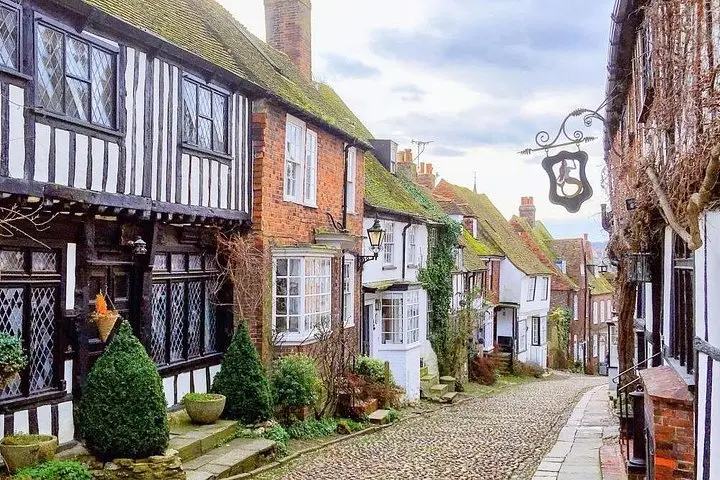
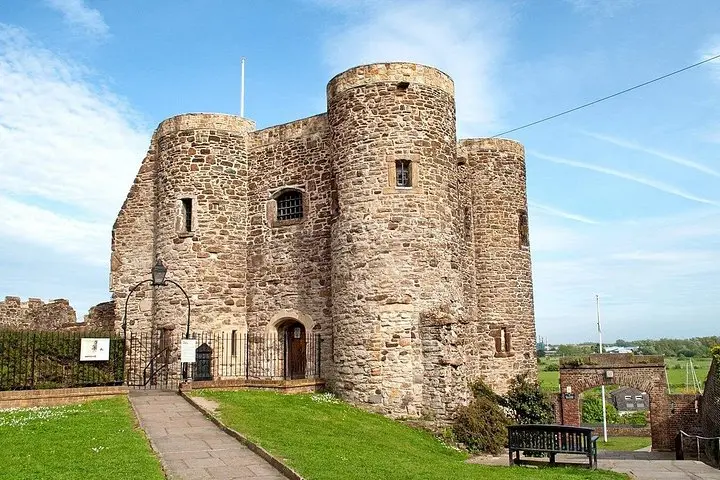
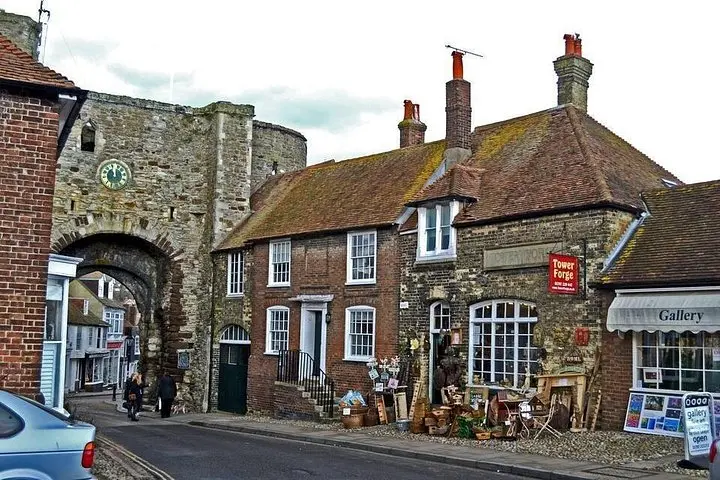
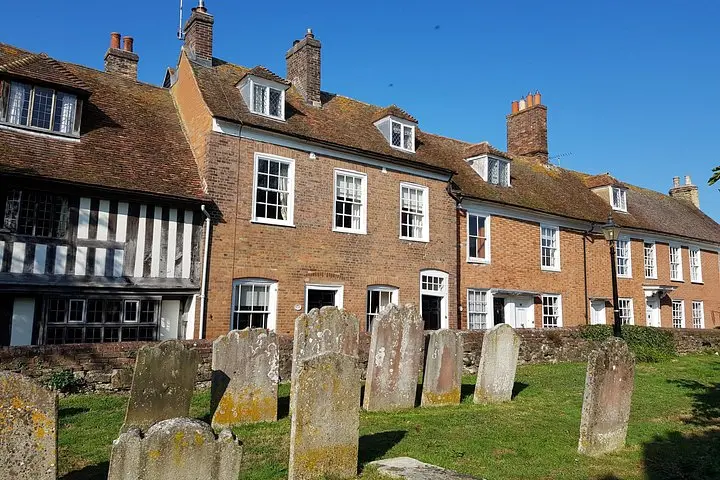
A morning in Rye begins with the click of boots on ancient cobbles and a salt-steeled breeze that pushes inland from the Solent. You step beneath low timbered eaves, past the narrow lanes that funnel toward the Mermaid Inn, and feel the town’s stories press close—the hush of smugglers, the bark of market criers, and the distant outline of Camber Castle across the marsh.
A morning in Rye begins with the click of boots on ancient cobbles and a salt-steeled breeze that pushes inland from the Solent. You step beneath low timbered eaves, past the narrow lanes that funnel toward the Mermaid Inn, and feel the town’s stories press close—the hush of smugglers, the bark of market criers, and the distant outline of Camber Castle across the marsh.
The walk threads medieval streets and coastal fringe. Rye’s compact layout dates to Norman and medieval planning; the nearby Romney Marsh is a young landscape of reclaimed saltmarsh and shingle formed by longshore drift and tidal deposition. Smuggling left a visible imprint: hiding places in inns, narrow alleys ideal for covert passage, and local legends like Doctor Syn and the Hawkhurst Gang that shaped community memory. Literary history is present too—the house where Henry James lodged attests to Rye’s draw for writers and artists.
Expect two hours of steady walking on uneven cobbles and short flights of steps with frequent photo stops. The guide is a Blue Badge professional who strings factual history with local anecdotes—no admissions or transport are included, so plan logistics in advance. Morning light is best for photography and cooler walking; afternoons offer warmer, busier streets. Wear stout shoes, bring a waterproof layer, and carry small change for tea or entry to sites you choose to visit after the tour. The route is rich in tavern interiors, riverside views, and coastal geology—an ideal short walk for travelers who want history served with practical local know-how.