THE ADVENTURE COLLECTIVE® · Independent discovery and booking for outdoor travel

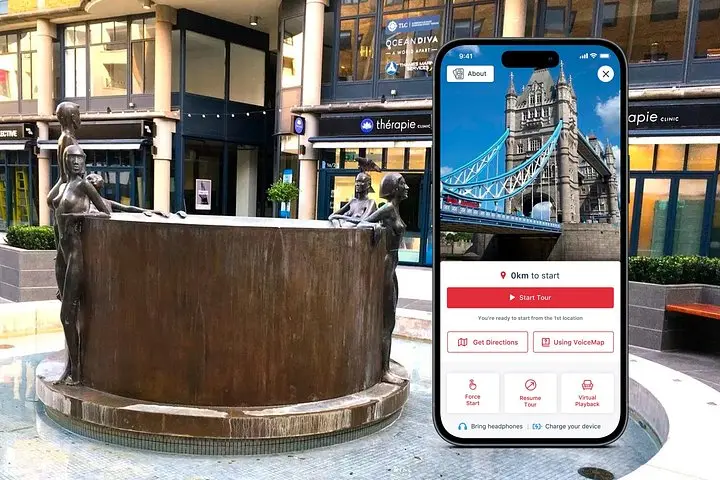
Walk the South Bank with a self-guided audio tour that traces 2,000 years of London's port history. Hear stories of wharves, HMS Belfast and the cobbled lanes of Shad Thames while exploring at your own pace.
Walk the South Bank with a self-guided audio tour that traces 2,000 years of London's port history. Hear stories of wharves, HMS Belfast and the cobbled lanes of Shad Thames while exploring at your own pace.
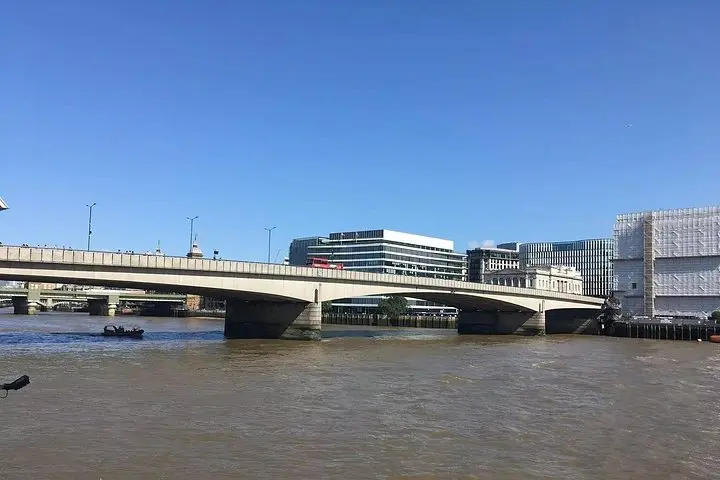
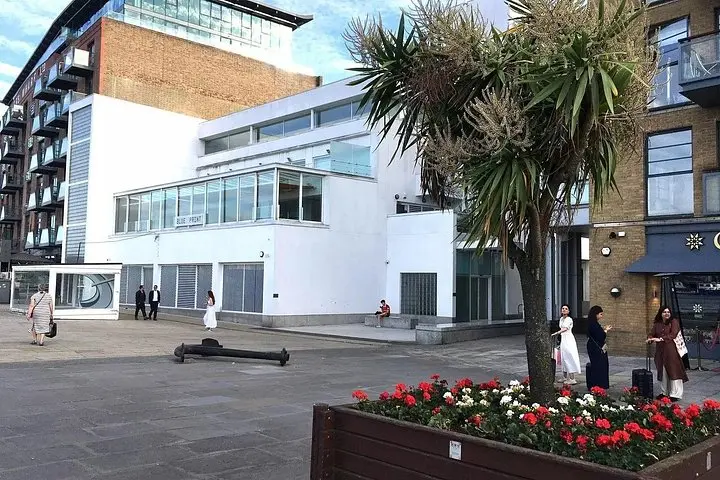
You step onto the Thames' southern edge and the river answers — a low, constant movement that has carried cargo, people and rumor for two millennia. The walk begins near London Bridge, with an Art Deco face of St Olaf House opposite you, and the city's layered skyline pressing in: medieval bones, Victorian iron, and gleaming 21st-century glass.
Verified experiences and guided adventures in the surrounding area.
Operated by VoiceMap Audio Tours · London, England
You step onto the Thames' southern edge and the river answers — a low, constant movement that has carried cargo, people and rumor for two millennia. The walk begins near London Bridge, with an Art Deco face of St Olaf House opposite you, and the city's layered skyline pressing in: medieval bones, Victorian iron, and gleaming 21st-century glass.
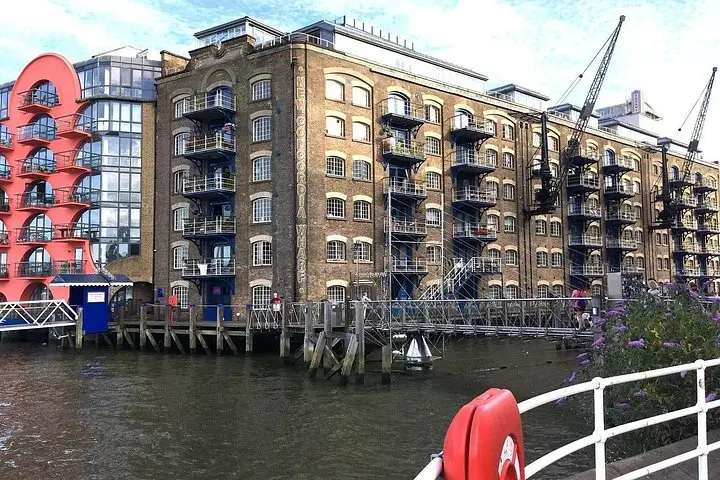
This route traces the Pool of London, once a choke point for ships unloading goods from around the globe. Cobblestone lanes like Shad Thames and the rebuilt Hay’s Galleria recall warehouses and ropewalks, while HMS Belfast and the Tower of London sit across the water as maritime and military bookmarks. Geologically the Thames shaped the floodplain that enabled trade; culturally the banks recorded London's shift from mercantile port to leisure-led riverfront.
The audio format lets you walk at your own pace, pausing at wharves, former depots, and the iron lattice of the old bridges. Expect historical vignettes about trade, crime, and conversion of industrial buildings into apartments and restaurants.
Practical guidance: allow 60–90 minutes, wear comfortable shoes for uneven cobbles, and download the VoiceMap audio and offline maps before you start. Travel early for softer light and fewer crowds; evenings offer lit bridges but heavier foot traffic. Stay aware of cyclists on the riverside path and bring a compact rain layer — London weather changes quickly. This is a low-effort, high-context urban route that rewards curiosity and a good pair of walking shoes.
No — the tour is self-guided with lifetime access after purchase; you can start whenever suits you within the app's usage terms.
The recommended start is in front of St Olaf House near London Bridge; the route finishes near Horsleydown Steps with close-up views of Tower Bridge.
Much of the South Bank path is paved and accessible, but some cobbled streets (like parts of Shad Thames) and steps may present challenges; check alternate riverside paths for smoother sections.
The audio content and recommended pace make this a 60–90 minute experience, though you may spend longer pausing at points of interest or cafés.
VoiceMap Audio Tours operates guided outdoor trips and adventures with an emphasis on safety, stewardship, and memorable experiences.
You step onto the Thames' southern edge and the river answers — a low, constant movement that has carried cargo, people and rumor for two millennia. The walk begins near London Bridge, with an Art Deco face of St Olaf House opposite you, and the city's layered skyline pressing in: medieval bones, Victorian iron, and gleaming 21st-century glass.
You step onto the Thames' southern edge and the river answers — a low, constant movement that has carried cargo, people and rumor for two millennia. The walk begins near London Bridge, with an Art Deco face of St Olaf House opposite you, and the city's layered skyline pressing in: medieval bones, Victorian iron, and gleaming 21st-century glass.
This route traces the Pool of London, once a choke point for ships unloading goods from around the globe. Cobblestone lanes like Shad Thames and the rebuilt Hay’s Galleria recall warehouses and ropewalks, while HMS Belfast and the Tower of London sit across the water as maritime and military bookmarks. Geologically the Thames shaped the floodplain that enabled trade; culturally the banks recorded London's shift from mercantile port to leisure-led riverfront.
The audio format lets you walk at your own pace, pausing at wharves, former depots, and the iron lattice of the old bridges. Expect historical vignettes about trade, crime, and conversion of industrial buildings into apartments and restaurants.
Practical guidance: allow 60–90 minutes, wear comfortable shoes for uneven cobbles, and download the VoiceMap audio and offline maps before you start. Travel early for softer light and fewer crowds; evenings offer lit bridges but heavier foot traffic. Stay aware of cyclists on the riverside path and bring a compact rain layer — London weather changes quickly. This is a low-effort, high-context urban route that rewards curiosity and a good pair of walking shoes.