THE ADVENTURE COLLECTIVE® · Independent discovery and booking for outdoor travel

Trace the Tube’s evolution from the world’s first underground line to today on a 2.5-hour small-group walk. Explore original stations, abandoned platforms and wartime stories while learning how Victorian engineering shaped modern London.
Trace the Tube’s evolution from the world’s first underground line to today on a 2.5-hour small-group walk. Explore original stations, abandoned platforms and wartime stories while learning how Victorian engineering shaped modern London.
You step off Baker Street into a corridor that still smells faintly of oil and history—tiles underfoot worn by millions of commuters, signage that changed little since the 19th century. The guide leads the group through station entrances and surface streets, pointing out Victorian brickwork, wartime improvisations and modern steel and glass where lines converge.
Verified experiences and guided adventures in the surrounding area.
Operated by Evan Evans Tours · London, Greater London
You step off Baker Street into a corridor that still smells faintly of oil and history—tiles underfoot worn by millions of commuters, signage that changed little since the 19th century. The guide leads the group through station entrances and surface streets, pointing out Victorian brickwork, wartime improvisations and modern steel and glass where lines converge.
The Underground began with the Metropolitan Railway in 1863; what followed is an evolving network shaped by Victorian tunnelling, wartime shelters and 20th-century expansions like the Victoria line. Geology matters here—soft London clay made cut-and-cover construction possible in central districts, producing the shallow platforms you walk through. Culturally the Tube is more than transit: it is stage, shelter and storyteller, from disused platforms and secret passages to stations that doubled as air-raid shelters during World War II.
Expect a mixture of above-ground walking and short visits to station concourses; the itinerary typically includes Baker Street, Oxford Circus, Piccadilly Circus, Embankment and Westminster, with anecdotes about haunted or abandoned stops along the way. Practicalities: wear comfortable shoes for stairs and cobbles, carry a contactless or Oyster card for any optional short hops, and plan around rush-hour crowds—tours run year-round but feel very different at 9am versus mid-afternoon.
Bring a small daypack, a waterproof layer for unpredictable London weather, and a charged phone for maps and photos. The tour balances traffic and close-quarters spaces—great for history buffs, trivia lovers and travelers who want an interpretive, walkable look at one of the world’s oldest metro systems.
Most departures begin at Baker Street Station; exact meeting point is provided on booking and usually a recognizable station entrance or nearby landmark.
No—fares are not included; bring a contactless payment method or Oyster card for any optional short rides through the network.
The route includes many steps and narrow passages and is not suitable for guests with significant mobility limitations; contact the operator for alternatives.
Tours are typically conducted in English; check the booking page for availability of other languages or private-tour options.
Evan Evans Tours operates guided outdoor trips and adventures with an emphasis on safety, stewardship, and memorable experiences.
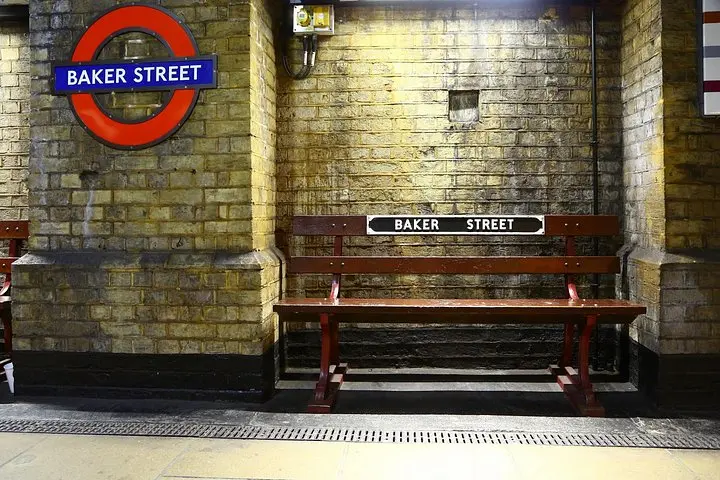
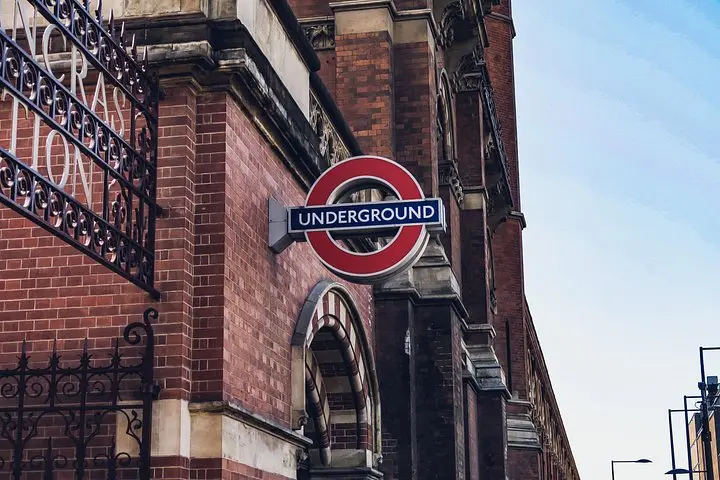
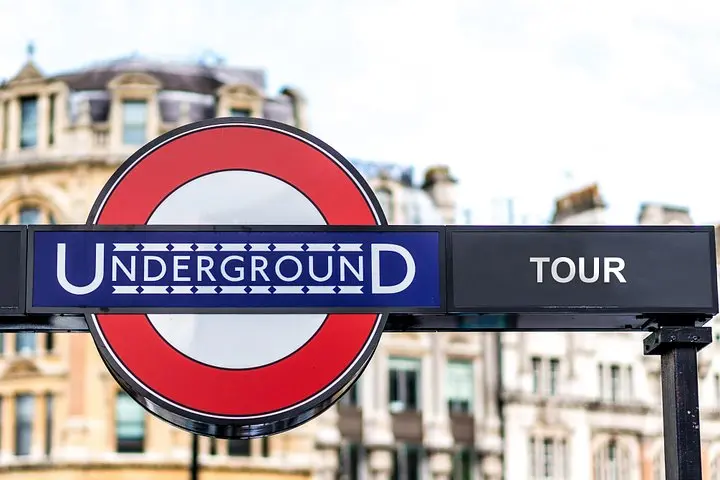
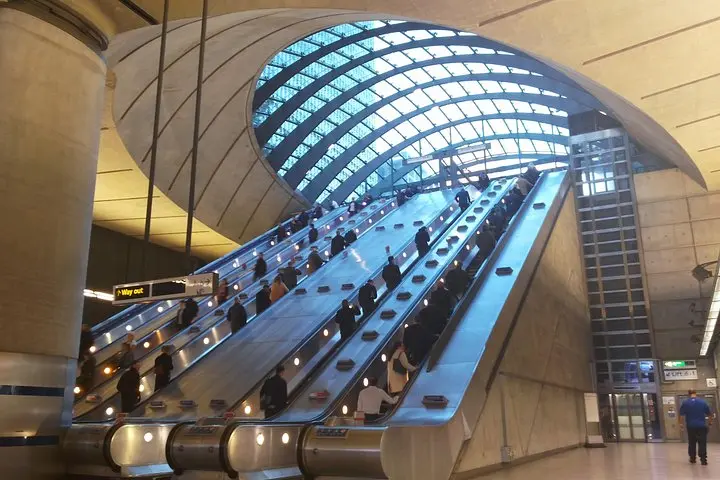
You step off Baker Street into a corridor that still smells faintly of oil and history—tiles underfoot worn by millions of commuters, signage that changed little since the 19th century. The guide leads the group through station entrances and surface streets, pointing out Victorian brickwork, wartime improvisations and modern steel and glass where lines converge.
You step off Baker Street into a corridor that still smells faintly of oil and history—tiles underfoot worn by millions of commuters, signage that changed little since the 19th century. The guide leads the group through station entrances and surface streets, pointing out Victorian brickwork, wartime improvisations and modern steel and glass where lines converge.
The Underground began with the Metropolitan Railway in 1863; what followed is an evolving network shaped by Victorian tunnelling, wartime shelters and 20th-century expansions like the Victoria line. Geology matters here—soft London clay made cut-and-cover construction possible in central districts, producing the shallow platforms you walk through. Culturally the Tube is more than transit: it is stage, shelter and storyteller, from disused platforms and secret passages to stations that doubled as air-raid shelters during World War II.
Expect a mixture of above-ground walking and short visits to station concourses; the itinerary typically includes Baker Street, Oxford Circus, Piccadilly Circus, Embankment and Westminster, with anecdotes about haunted or abandoned stops along the way. Practicalities: wear comfortable shoes for stairs and cobbles, carry a contactless or Oyster card for any optional short hops, and plan around rush-hour crowds—tours run year-round but feel very different at 9am versus mid-afternoon.
Bring a small daypack, a waterproof layer for unpredictable London weather, and a charged phone for maps and photos. The tour balances traffic and close-quarters spaces—great for history buffs, trivia lovers and travelers who want an interpretive, walkable look at one of the world’s oldest metro systems.