THE ADVENTURE COLLECTIVE® · Independent discovery and booking for outdoor travel

Explore Sedona’s famed energy vortexes with a local guide on this two-hour, interpretive tour. Visit both masculine and feminine sites, learn local geology and cultural context, and walk short, scenic trails around the red rocks.
Explore Sedona’s famed energy vortexes with a local guide on this two-hour, interpretive tour. Visit both masculine and feminine sites, learn local geology and cultural context, and walk short, scenic trails around the red rocks.
You step out of your car and the red rock edges of Sedona seem to take a breath — sharp ridges and smooth sandstone curving like an open palm. The guide consults a small map, then points uphill; the rocks hum with dry wind and the distant highway hums like a distant tide. For two hours the Sedona Chakra Vortex Tour moves between pockets of high energy: short climbs, open scrapes of sky, and wind that feels as if it were arranging your thoughts.
Verified experiences and guided adventures in the surrounding area.
Operated by Sedona UFO Tours LLC · Sedona, Arizona
You step out of your car and the red rock edges of Sedona seem to take a breath — sharp ridges and smooth sandstone curving like an open palm. The guide consults a small map, then points uphill; the rocks hum with dry wind and the distant highway hums like a distant tide. For two hours the Sedona Chakra Vortex Tour moves between pockets of high energy: short climbs, open scrapes of sky, and wind that feels as if it were arranging your thoughts.
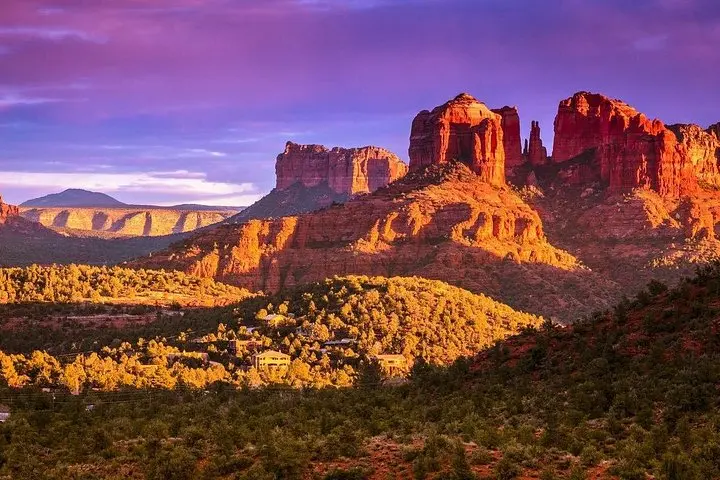
Sedona’s vortex lore arrived with early New Age visitors in the mid-20th century; the landscape itself is older — Permian sandstone layers tilted and sculpted over hundreds of millions of years by uplift and erosion. Locals talk about “masculine” and “feminine” sites — Bell Rock and Airport Mesa often labeled male for their outward thrust, Cathedral and Boynton Canyon seen as receptive. The geology explains the view: uplifted beds and fissures channel winds, and the iron-rich sandstone reflects a warm, rust light that amplifies the sense of presence.
The tour is part guided walk, part cultural primer. Your guide (Frank Rolon Jr. frequently leads these runs) frames each stop with history, how the sites were used by Indigenous people for centuries, and how modern spiritual seekers interpret the sensation of a vortex. Frank balances personal testimony with practical interpretation, helping guests notice how altitude, viewlines, and microclimates change perception.
Expect short hikes — generally under two miles of walking total, with repeated climbs of 50–300 feet on uneven dirt or packed gravel. Trails can be sun-exposed; shade appears in juniper pockets and the occasional riparian crease. You’ll likely visit a mix of vantage points (some stops last 30–45 minutes depending on group size and conditions). Bottled water is supplied, but bringing your own refillable bottle is smart.
Practical logistics are straightforward but firm: check in 15–30 minutes before the posted start time at the tour office on SR 89A, and be prepared to follow the guide in your own vehicle. Closed-toe shoes are required, and the tour is not recommended for travelers with mobility impairments or serious back/heart issues. Service animals are allowed with advance notice and may require private arrangements.
This tour is best for travelers curious about Sedona’s energy stories who want a low-impact, interpretive outing rather than a strenuous backcountry scramble. Photograph the vista edges at low sun, carry layers for sudden wind, and treat the stops with respect: these are working landscapes with cultural significance and fragile desert plants. When the wind picks up on a ridge, it seems to pull your attention outward — a reminder that in Sedona, the land keeps its own rhythm.
Yes — guests typically follow the guide in their own car between sites; check-in is at the tour office on SR 89A.
No — the tour involves uneven ground, gravel, and short uphill sections and is not suitable for wheelchairs or guests who require walkers.
Children are allowed but must be able to walk short hikes safely; consider age and trail stamina before booking.
The guide selects stops based on group dynamics, occupancy, and season; you can request preferences but final choices are at the guide's discretion.
Service animals are allowed with advance notice; recreational pets are not recommended and may require a private tour arrangement.
The operator notes that tours are confirmed unless canceled; check the booking policy and communicate with the operator for rescheduling or refunds.
Sedona UFO Tours LLC operates guided outdoor trips and adventures with an emphasis on safety, stewardship, and memorable experiences.
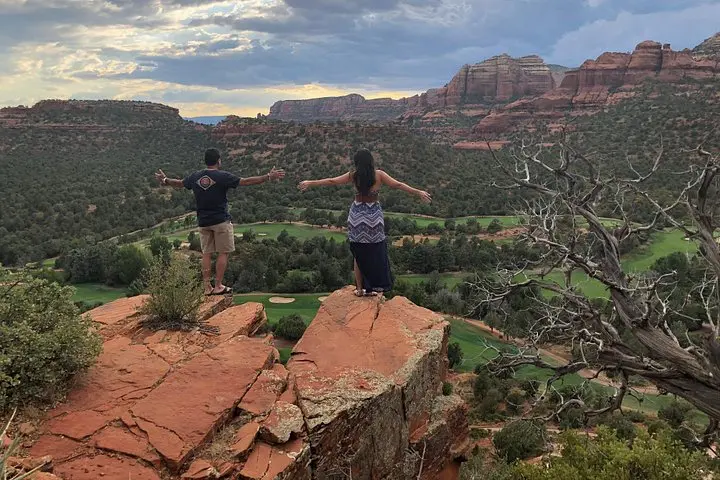
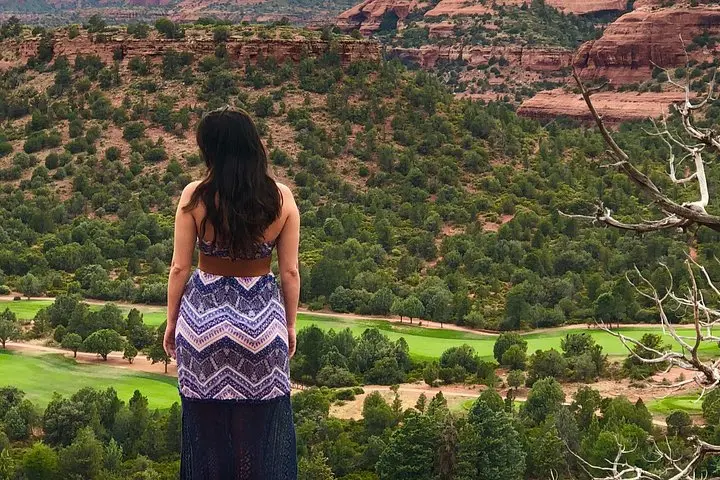
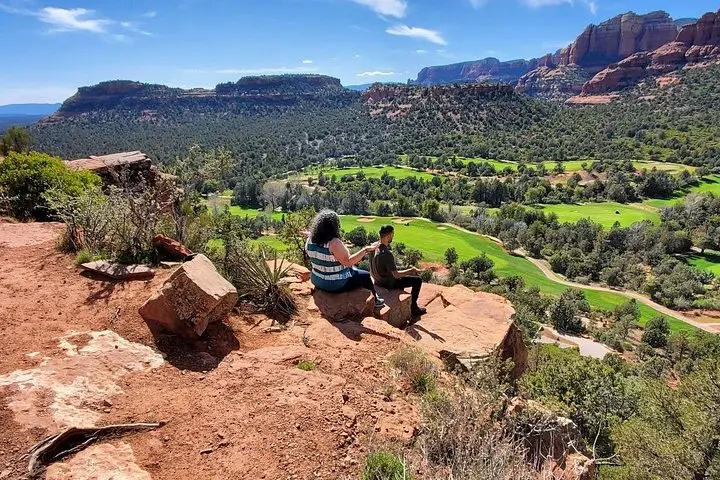
You step out of your car and the red rock edges of Sedona seem to take a breath — sharp ridges and smooth sandstone curving like an open palm. The guide consults a small map, then points uphill; the rocks hum with dry wind and the distant highway hums like a distant tide. For two hours the Sedona Chakra Vortex Tour moves between pockets of high energy: short climbs, open scrapes of sky, and wind that feels as if it were arranging your thoughts.
You step out of your car and the red rock edges of Sedona seem to take a breath — sharp ridges and smooth sandstone curving like an open palm. The guide consults a small map, then points uphill; the rocks hum with dry wind and the distant highway hums like a distant tide. For two hours the Sedona Chakra Vortex Tour moves between pockets of high energy: short climbs, open scrapes of sky, and wind that feels as if it were arranging your thoughts.
Sedona’s vortex lore arrived with early New Age visitors in the mid-20th century; the landscape itself is older — Permian sandstone layers tilted and sculpted over hundreds of millions of years by uplift and erosion. Locals talk about “masculine” and “feminine” sites — Bell Rock and Airport Mesa often labeled male for their outward thrust, Cathedral and Boynton Canyon seen as receptive. The geology explains the view: uplifted beds and fissures channel winds, and the iron-rich sandstone reflects a warm, rust light that amplifies the sense of presence.
The tour is part guided walk, part cultural primer. Your guide (Frank Rolon Jr. frequently leads these runs) frames each stop with history, how the sites were used by Indigenous people for centuries, and how modern spiritual seekers interpret the sensation of a vortex. Frank balances personal testimony with practical interpretation, helping guests notice how altitude, viewlines, and microclimates change perception.
Expect short hikes — generally under two miles of walking total, with repeated climbs of 50–300 feet on uneven dirt or packed gravel. Trails can be sun-exposed; shade appears in juniper pockets and the occasional riparian crease. You’ll likely visit a mix of vantage points (some stops last 30–45 minutes depending on group size and conditions). Bottled water is supplied, but bringing your own refillable bottle is smart.
Practical logistics are straightforward but firm: check in 15–30 minutes before the posted start time at the tour office on SR 89A, and be prepared to follow the guide in your own vehicle. Closed-toe shoes are required, and the tour is not recommended for travelers with mobility impairments or serious back/heart issues. Service animals are allowed with advance notice and may require private arrangements.
This tour is best for travelers curious about Sedona’s energy stories who want a low-impact, interpretive outing rather than a strenuous backcountry scramble. Photograph the vista edges at low sun, carry layers for sudden wind, and treat the stops with respect: these are working landscapes with cultural significance and fragile desert plants. When the wind picks up on a ridge, it seems to pull your attention outward — a reminder that in Sedona, the land keeps its own rhythm.