THE ADVENTURE COLLECTIVE® · Independent discovery and booking for outdoor travel

A two‑hour guided meditation and movement session on Sedona’s red rocks, held near the Amitabha Stupa. Expect an easy hike, breathwork, somatic practices, and practical tools to reconnect with your body and the landscape.
A two‑hour guided meditation and movement session on Sedona’s red rocks, held near the Amitabha Stupa. Expect an easy hike, breathwork, somatic practices, and practical tools to reconnect with your body and the landscape.
You step out of the car into a wind that carries grit and light; the red rocks around you seem to inhale and exhale. The Amitabha Stupa sits like a low, white promise against the rust cliffs—an intentional punctuation in a landscape that has been shaping human stories for millennia. The guide gathers a small circle of visitors and, by the time you reach the clearing a short walk from the parking lot, the city’s hum has been reduced to a few distant cars and the persistent chatter of lizards.
Verified experiences and guided adventures in the surrounding area.
Operated by Joy Gabriel · Sedona, Arizona
You step out of the car into a wind that carries grit and light; the red rocks around you seem to inhale and exhale. The Amitabha Stupa sits like a low, white promise against the rust cliffs—an intentional punctuation in a landscape that has been shaping human stories for millennia. The guide gathers a small circle of visitors and, by the time you reach the clearing a short walk from the parking lot, the city’s hum has been reduced to a few distant cars and the persistent chatter of lizards.
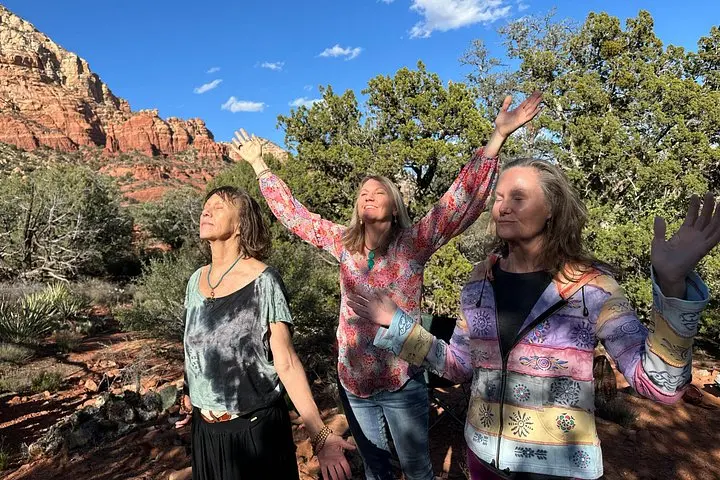
This is less a performance and more a practical skillset: two hours of guided meditation, gentle movement, and earth‑centered practices designed to reconnect you with what the organizers call the feminine radiance. The path to the practice is literal and metaphorical—an easy 0.5–1 mile hike with roughly 100 feet of elevation gain across packed dirt and slickrock, offering wide-angle views of buttes and the scattering of juniper and manzanita that cling to cracks in the stone.
Sedona’s red rocks are sedimentary sandstone—layers compacted during the Permian and exposed by millions of years of uplift and erosion. People have read spiritual meaning into these formations for generations; the Amitabha Stupa, built by the local Buddhist community, adds a modern layer of intentional practice to a landscape already rich with Indigenous history and New Age pilgrimage. The energy you’ll hear about here is part physical—sun, wind, and heat moving across exposed rock—and part cultural: a place where people come to slow down, set intentions, and, often, to heal.
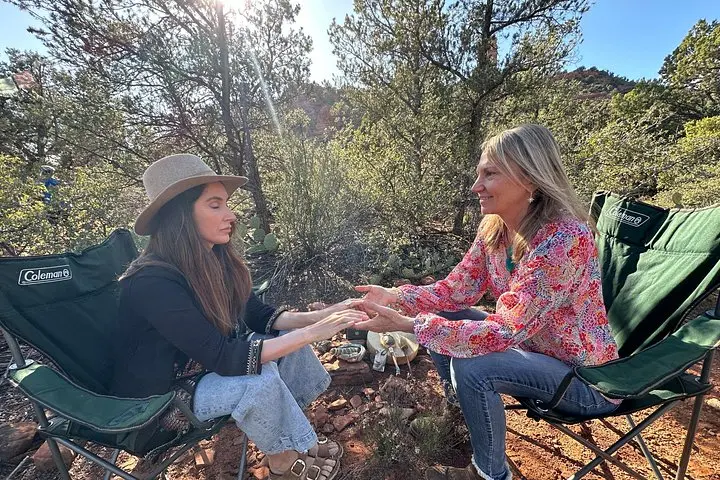
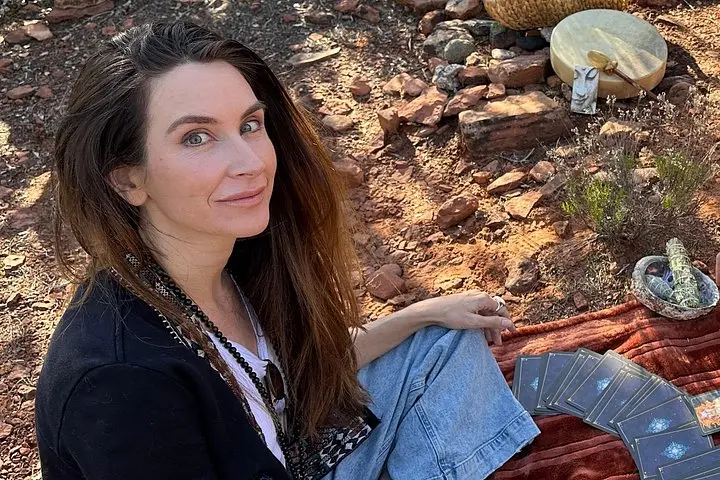
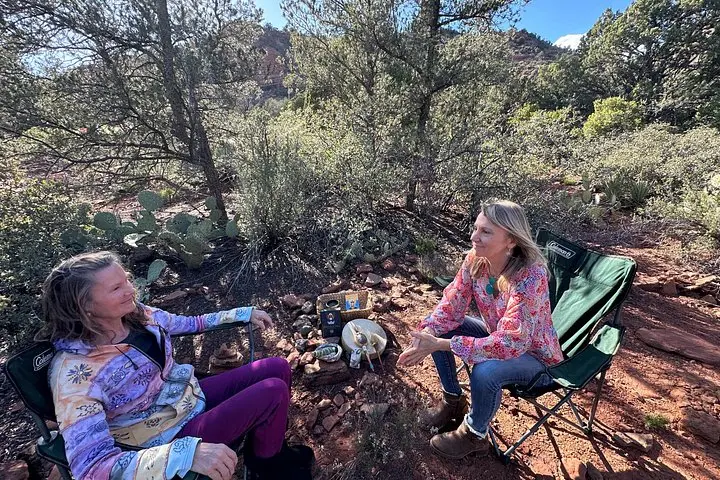
Expect guided breathing, meditative sitting (blankets and a pillow are provided), simple somatic exercises to reconnect with the pelvis and breath, and partnered practices that teach nonverbal attunement. The group size is private and customizable, which allows the leader to modulate contact and pacing to the group’s needs. The work is embodied and low-impact—suitable for most fitness levels—but it asks for curiosity and an openness to stillness.
Practicalities: meet in the Amitabha Stupa parking lot; the session runs two hours and begins with a short orientation before the hike. Wear supportive shoes for uneven ground, bring 1–1.5 liters of water, sunscreen, and a hat—the desert sun is direct even in cooler months. Because the soil and cryptobiotic crust are fragile, stick to established trails and leave no trace. The experience is designed for women 18+ (men are welcome to explore their feminine energy as well) and includes blankets and a pillow for seated practice. Cancelations must be made 24 hours in advance for a full refund.
This is less about spectacle and more about re‑anchoring: the rocks don’t perform for you, they simply are—sharp, patient, and honest. If you’re seeking a practical toolkit for daily practices rooted in movement and breath, set aside two hours at the stupa and let the landscape help you remember how to stand steady.
The walk from the Amitabha Stupa parking lot to the clearing is short—about 0.5–1 mile roundtrip with roughly 100 feet of elevation gain.
Yes—blankets and a pillow are provided for seated work, but you can bring your own mat if you prefer.
Yes; the session is described as physically easy and the guide adapts practices for different bodies, though you should be able to navigate a short, uneven trail.
The session is marketed toward women 18+, but men are welcome to participate in practices exploring feminine energy when appropriate.
Comfortable layers, sun protection, and supportive shoes are best—dress for outdoor meditation and light movement.
Full refunds are available if you cancel at least 24 hours before the scheduled start; sessions may be canceled for bad weather.
Joy Gabriel operates guided outdoor trips and adventures with an emphasis on safety, stewardship, and memorable experiences.
You step out of the car into a wind that carries grit and light; the red rocks around you seem to inhale and exhale. The Amitabha Stupa sits like a low, white promise against the rust cliffs—an intentional punctuation in a landscape that has been shaping human stories for millennia. The guide gathers a small circle of visitors and, by the time you reach the clearing a short walk from the parking lot, the city’s hum has been reduced to a few distant cars and the persistent chatter of lizards.
You step out of the car into a wind that carries grit and light; the red rocks around you seem to inhale and exhale. The Amitabha Stupa sits like a low, white promise against the rust cliffs—an intentional punctuation in a landscape that has been shaping human stories for millennia. The guide gathers a small circle of visitors and, by the time you reach the clearing a short walk from the parking lot, the city’s hum has been reduced to a few distant cars and the persistent chatter of lizards.
This is less a performance and more a practical skillset: two hours of guided meditation, gentle movement, and earth‑centered practices designed to reconnect you with what the organizers call the feminine radiance. The path to the practice is literal and metaphorical—an easy 0.5–1 mile hike with roughly 100 feet of elevation gain across packed dirt and slickrock, offering wide-angle views of buttes and the scattering of juniper and manzanita that cling to cracks in the stone.
Sedona’s red rocks are sedimentary sandstone—layers compacted during the Permian and exposed by millions of years of uplift and erosion. People have read spiritual meaning into these formations for generations; the Amitabha Stupa, built by the local Buddhist community, adds a modern layer of intentional practice to a landscape already rich with Indigenous history and New Age pilgrimage. The energy you’ll hear about here is part physical—sun, wind, and heat moving across exposed rock—and part cultural: a place where people come to slow down, set intentions, and, often, to heal.
Expect guided breathing, meditative sitting (blankets and a pillow are provided), simple somatic exercises to reconnect with the pelvis and breath, and partnered practices that teach nonverbal attunement. The group size is private and customizable, which allows the leader to modulate contact and pacing to the group’s needs. The work is embodied and low-impact—suitable for most fitness levels—but it asks for curiosity and an openness to stillness.
Practicalities: meet in the Amitabha Stupa parking lot; the session runs two hours and begins with a short orientation before the hike. Wear supportive shoes for uneven ground, bring 1–1.5 liters of water, sunscreen, and a hat—the desert sun is direct even in cooler months. Because the soil and cryptobiotic crust are fragile, stick to established trails and leave no trace. The experience is designed for women 18+ (men are welcome to explore their feminine energy as well) and includes blankets and a pillow for seated practice. Cancelations must be made 24 hours in advance for a full refund.
This is less about spectacle and more about re‑anchoring: the rocks don’t perform for you, they simply are—sharp, patient, and honest. If you’re seeking a practical toolkit for daily practices rooted in movement and breath, set aside two hours at the stupa and let the landscape help you remember how to stand steady.