THE ADVENTURE COLLECTIVE® · Independent discovery and booking for outdoor travel

Step into Sedona after dark for a guided moonlight hike that pairs red-rock ridgelines with certified Dark Sky stargazing and UV-lit scorpion spotting. Expect short, uneven trails, layered nights, and expert-led astronomy commentary.
Step into Sedona after dark for a guided moonlight hike that pairs red-rock ridgelines with certified Dark Sky stargazing and UV-lit scorpion spotting. Expect short, uneven trails, layered nights, and expert-led astronomy commentary.
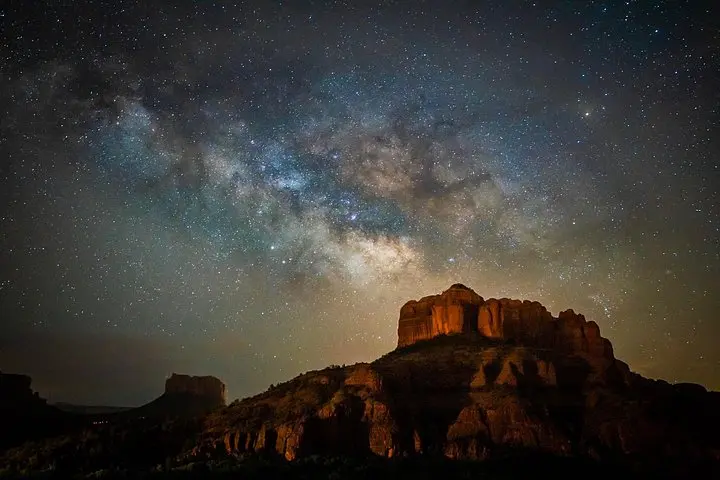
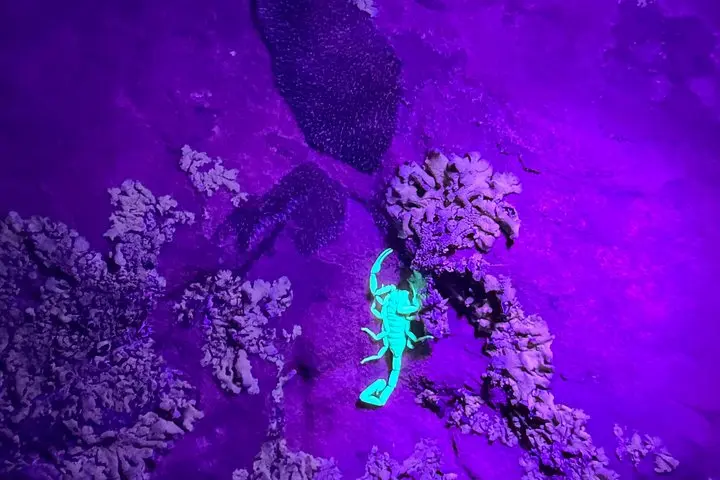
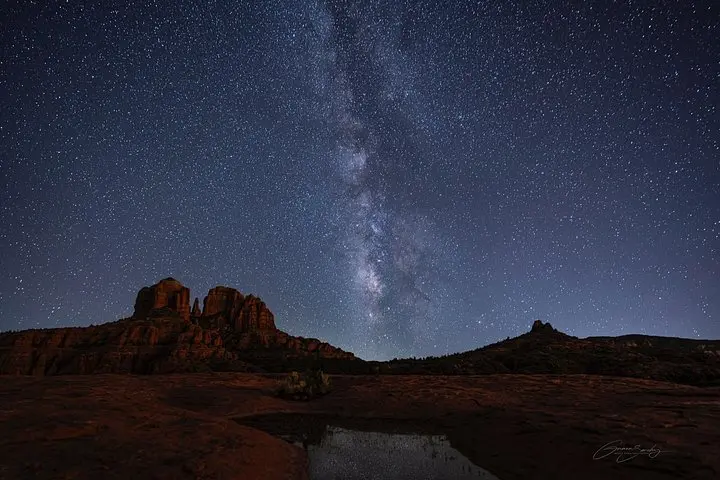
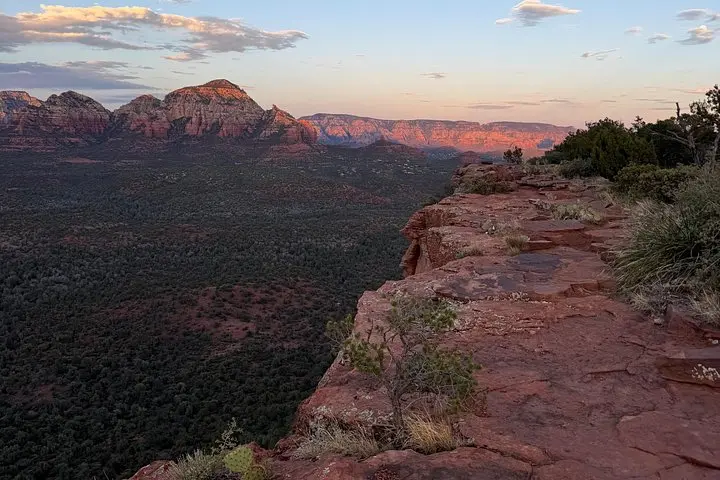
When the sun drops behind Sedona’s red sandstone rims and the air cools, the desert shifts roles: the wind becomes a low companion and the sky dares you to look up. On this guided night hike you move through shadowed talus and scrub, pausing on ridgelines as your guide traces constellations with a laser pointer and a high-powered UV light makes scorpions glow like tiny ghosts.
Verified experiences and guided adventures in the surrounding area.
Operated by ARRA · Sedona, Arizona
When the sun drops behind Sedona’s red sandstone rims and the air cools, the desert shifts roles: the wind becomes a low companion and the sky dares you to look up. On this guided night hike you move through shadowed talus and scrub, pausing on ridgelines as your guide traces constellations with a laser pointer and a high-powered UV light makes scorpions glow like tiny ghosts.
Those red rocks are ancient — Permian sandstones uplifted and carved into fins and bowls — and they sit on land once traveled by Sinagua and later by Yavapai and Apache communities. Sedona’s Dark Sky City designation makes the Milky Way and planets surprisingly vivid; cultural histories and local astronomy are woven into the commentary you’ll hear along the way.
Expect uneven singletrack and slickrock sections underfoot, typically 1–3 miles of walking with modest elevation changes (often 200–400 ft) adjusted seasonally. Guides supply headlamps, UV flashlights, bottled water, and park pass logistics; pickup from Sedona-area hotels is usually provided. Practical preparation matters: layered clothing for rapidly cooling desert nights, sturdy closed-toe shoes for sandstone grip, and a small pack for water and a jacket.
This trip blends wildlife watching, low-light navigation practice, and sky interpretation — a compact, four-hour window into how the high desert changes after dark. Move deliberately, listen for owls or coyotes, and keep lighting respectful so the nightscape stays intact for everyone.
Children who can walk 1–3 miles on uneven terrain and follow safety instructions are generally welcome; check age limits with the operator and supervise closely around UV lights and scorpion viewing.
Guides often locate scorpions using UV lights—most desert scorpions are not lethal to healthy adults, but they can sting; viewing should be from a safe distance and handled only by guides.
Yes—pickup and drop-off from Sedona-area hotels, resorts, campgrounds, or vacation rentals are typically included; confirm your pickup point when booking.
Tours may be canceled for poor weather; the operator’s policy allows full refunds if canceled at least 24 hours before departure or if the activity is canceled for safety.
ARRA operates guided outdoor trips and adventures with an emphasis on safety, stewardship, and memorable experiences.
When the sun drops behind Sedona’s red sandstone rims and the air cools, the desert shifts roles: the wind becomes a low companion and the sky dares you to look up. On this guided night hike you move through shadowed talus and scrub, pausing on ridgelines as your guide traces constellations with a laser pointer and a high-powered UV light makes scorpions glow like tiny ghosts.
When the sun drops behind Sedona’s red sandstone rims and the air cools, the desert shifts roles: the wind becomes a low companion and the sky dares you to look up. On this guided night hike you move through shadowed talus and scrub, pausing on ridgelines as your guide traces constellations with a laser pointer and a high-powered UV light makes scorpions glow like tiny ghosts.
Those red rocks are ancient — Permian sandstones uplifted and carved into fins and bowls — and they sit on land once traveled by Sinagua and later by Yavapai and Apache communities. Sedona’s Dark Sky City designation makes the Milky Way and planets surprisingly vivid; cultural histories and local astronomy are woven into the commentary you’ll hear along the way.
Expect uneven singletrack and slickrock sections underfoot, typically 1–3 miles of walking with modest elevation changes (often 200–400 ft) adjusted seasonally. Guides supply headlamps, UV flashlights, bottled water, and park pass logistics; pickup from Sedona-area hotels is usually provided. Practical preparation matters: layered clothing for rapidly cooling desert nights, sturdy closed-toe shoes for sandstone grip, and a small pack for water and a jacket.
This trip blends wildlife watching, low-light navigation practice, and sky interpretation — a compact, four-hour window into how the high desert changes after dark. Move deliberately, listen for owls or coyotes, and keep lighting respectful so the nightscape stays intact for everyone.