THE ADVENTURE COLLECTIVE® · Independent discovery and booking for outdoor travel

Spend a day in Sedona moving from guided meditation to intention-setting at the Amitabha Stupa. This private, six-hour retreat blends practical mindfulness techniques with quiet outdoor integration at one of Sedona’s spiritual landmarks.
Spend a day in Sedona moving from guided meditation to intention-setting at the Amitabha Stupa. This private, six-hour retreat blends practical mindfulness techniques with quiet outdoor integration at one of Sedona’s spiritual landmarks.
You arrive under the blunt geometry of red sandstone, the rocks catching the late-morning sun and throwing heat back like a patient, watchful neighbor. A short drive from downtown Sedona delivers you to a quiet retreat home where the day's rhythm is deliberately slow: a welcome, a cup of tea, and an open invitation to sit still. For six hours the world narrows to breath, guided prompts, and the soft scrape of shoes on a garden path as the facilitator leads you through practices designed to calm judgment and open attention.
Verified experiences and guided adventures in the surrounding area.
Operated by Sedona Healing Journey · Sedona, Arizona
You arrive under the blunt geometry of red sandstone, the rocks catching the late-morning sun and throwing heat back like a patient, watchful neighbor. A short drive from downtown Sedona delivers you to a quiet retreat home where the day's rhythm is deliberately slow: a welcome, a cup of tea, and an open invitation to sit still. For six hours the world narrows to breath, guided prompts, and the soft scrape of shoes on a garden path as the facilitator leads you through practices designed to calm judgment and open attention.
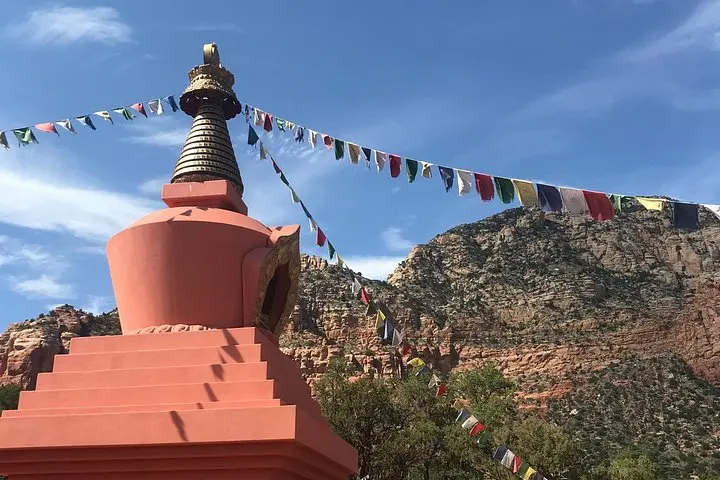
Sedona has been a crossroads of cultures for millennia — Indigenous communities first read and moved across this landscape long before Euro-American settlers arrived. In the 20th century the town evolved into an artists' enclave and, later, a magnet for spiritual seekers drawn to the cliffs and the light. The Amitabha Stupa at the day's close is a modern focal point for that larger spiritual geography: a Buddhist shrine where meditation and intention-setting feel at home against a backdrop of wind-sculpted mesas.
Geology here is blunt and honest. The red rocks are ancient sandstone, layered and uplifted, their surfaces etched by water and wind. On a retreat day that geology acts like a slow-moving counterpoint — the rocks don't hurry you; they only hold. Culture and practice meet in small rituals: grounding exercises on a stone bench, guided meditations near a coy pond, and a walking meditation around the circular Stupa where each step becomes a measurable pace toward settling.
The practical side of the retreat is simple and essential: sessions move between seated instruction and gentle walking, with time for reflection and personal integration. Snacks are provided, and the facilitator adapts practices for first-time meditators and experienced practitioners alike. You will leave with concrete tools — breath exercises, brief daily practices and intention-setting techniques — that work in a parked-car frenzy as well as in quiet mornings.
Timing matters: mornings are cooler and minds are less cluttered; late afternoons give the Stupa an incandescent glow. Wear comfortable, layered clothing for shifting temperatures and low-profile shoes for garden paths. Bring a small notebook; writing after a meditation can anchor insights. If you are traveling to Sedona, allow a buffer of an extra day to walk a nearby trail or visit a local gallery — the landscape you encounter in meditation continues to teach when you move through it.
This is not therapy in the clinical sense, but a structured, private retreat focused on practical mindfulness and emotional recalibration. It’s a day built to slow the nervous system, sharpen attention, and leave you with a handful of practices to carry home when the red rocks fall away in your rearview mirror.
No — the retreat is tailored to all levels and includes foundational instruction for beginners.
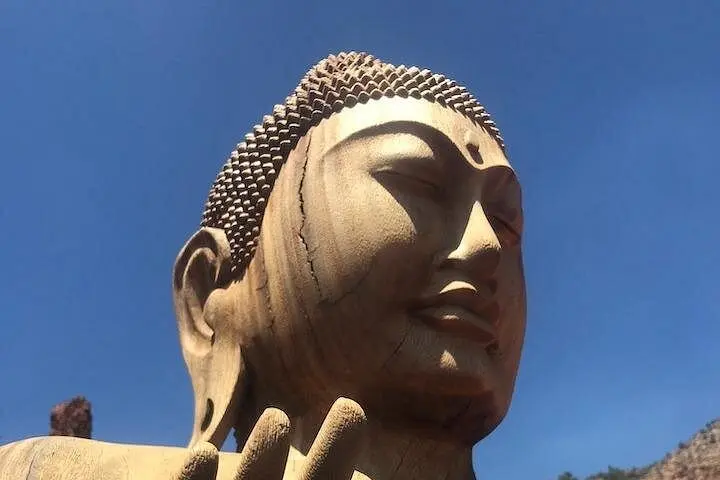
The meeting point is outside the Whole Foods in Sedona near the Merlin statue; from there the retreat leader directs participants to the private retreat home.
Light snacks are provided during the retreat; plan for a meal before or after if you need more substantial food.
Yes — the retreat is described as physically easy. Notify the host in advance about any mobility needs so they can accommodate you.
The retreat uses Buddhist practices at the Stupa but is presented as a broadly accessible spiritual and mindfulness experience rather than a formal religious conversion.
Bring a small personal item if you wish to set intentions, comfortable shoes for walking the Stupa path, and a water bottle.
Sedona Healing Journey operates guided outdoor trips and adventures with an emphasis on safety, stewardship, and memorable experiences.
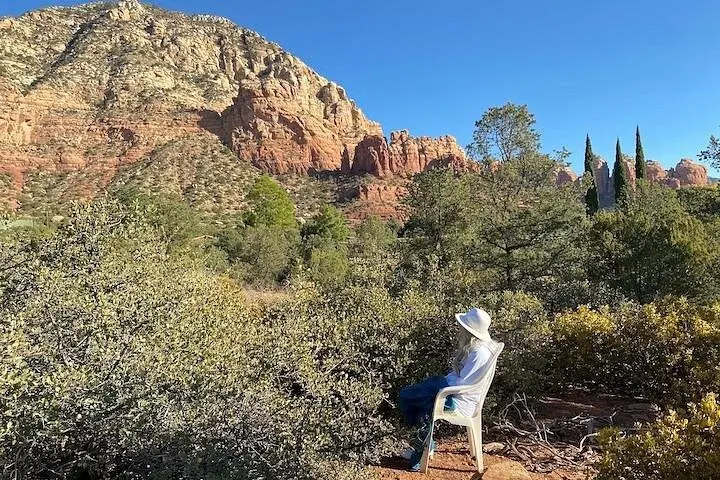
You arrive under the blunt geometry of red sandstone, the rocks catching the late-morning sun and throwing heat back like a patient, watchful neighbor. A short drive from downtown Sedona delivers you to a quiet retreat home where the day's rhythm is deliberately slow: a welcome, a cup of tea, and an open invitation to sit still. For six hours the world narrows to breath, guided prompts, and the soft scrape of shoes on a garden path as the facilitator leads you through practices designed to calm judgment and open attention.
You arrive under the blunt geometry of red sandstone, the rocks catching the late-morning sun and throwing heat back like a patient, watchful neighbor. A short drive from downtown Sedona delivers you to a quiet retreat home where the day's rhythm is deliberately slow: a welcome, a cup of tea, and an open invitation to sit still. For six hours the world narrows to breath, guided prompts, and the soft scrape of shoes on a garden path as the facilitator leads you through practices designed to calm judgment and open attention.
Sedona has been a crossroads of cultures for millennia — Indigenous communities first read and moved across this landscape long before Euro-American settlers arrived. In the 20th century the town evolved into an artists' enclave and, later, a magnet for spiritual seekers drawn to the cliffs and the light. The Amitabha Stupa at the day's close is a modern focal point for that larger spiritual geography: a Buddhist shrine where meditation and intention-setting feel at home against a backdrop of wind-sculpted mesas.
Geology here is blunt and honest. The red rocks are ancient sandstone, layered and uplifted, their surfaces etched by water and wind. On a retreat day that geology acts like a slow-moving counterpoint — the rocks don't hurry you; they only hold. Culture and practice meet in small rituals: grounding exercises on a stone bench, guided meditations near a coy pond, and a walking meditation around the circular Stupa where each step becomes a measurable pace toward settling.
The practical side of the retreat is simple and essential: sessions move between seated instruction and gentle walking, with time for reflection and personal integration. Snacks are provided, and the facilitator adapts practices for first-time meditators and experienced practitioners alike. You will leave with concrete tools — breath exercises, brief daily practices and intention-setting techniques — that work in a parked-car frenzy as well as in quiet mornings.
Timing matters: mornings are cooler and minds are less cluttered; late afternoons give the Stupa an incandescent glow. Wear comfortable, layered clothing for shifting temperatures and low-profile shoes for garden paths. Bring a small notebook; writing after a meditation can anchor insights. If you are traveling to Sedona, allow a buffer of an extra day to walk a nearby trail or visit a local gallery — the landscape you encounter in meditation continues to teach when you move through it.
This is not therapy in the clinical sense, but a structured, private retreat focused on practical mindfulness and emotional recalibration. It’s a day built to slow the nervous system, sharpen attention, and leave you with a handful of practices to carry home when the red rocks fall away in your rearview mirror.