THE ADVENTURE COLLECTIVE® · Independent discovery and booking for outdoor travel

Spend a slow day among Sedona's red rocks: shop artisan galleries at Tlaquepaque, pause at the Amitabha Stupa, and taste Verde Valley wines at Page Springs and Da Ranch on this private 6–7 hour wine and vortex tour.
Spend a slow day among Sedona's red rocks: shop artisan galleries at Tlaquepaque, pause at the Amitabha Stupa, and taste Verde Valley wines at Page Springs and Da Ranch on this private 6–7 hour wine and vortex tour.
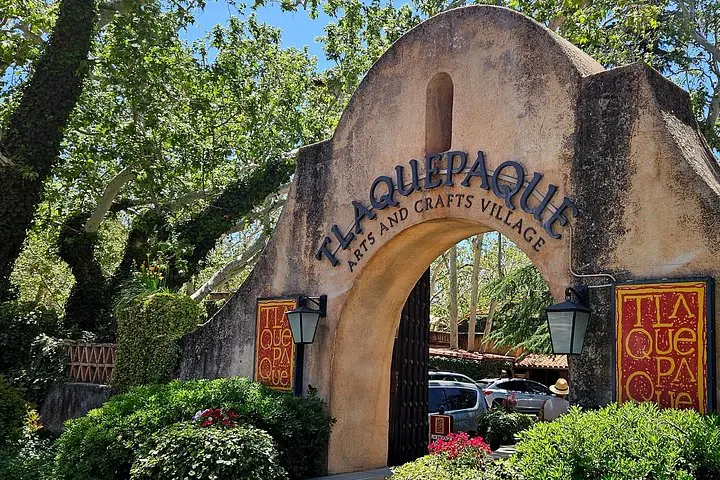
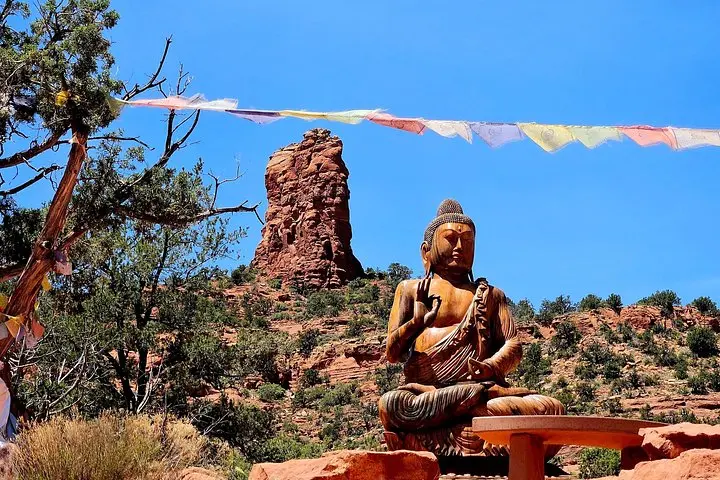
You step out of the air‑conditioned van into a landscape that seems to hold its breath: red sandstone ridges flare against a wide, sunlit sky while a light desert breeze teases the straps of your pack. The first stop is Tlaquepaque, where cobblestone lanes and adobe facades invite slow wandering between galleries and artisan shops. Later the route opens to vineyards and quiet river terraces—vine rows that lean toward the Verde River as if to listen—before a hush at the Amitabha Stupa, where wind and prayer flags trade secrets.
Verified experiences and guided adventures in the surrounding area.
Operated by Elevated Sedona Wine Tours · Sedona, Arizona
You step out of the air‑conditioned van into a landscape that seems to hold its breath: red sandstone ridges flare against a wide, sunlit sky while a light desert breeze teases the straps of your pack. The first stop is Tlaquepaque, where cobblestone lanes and adobe facades invite slow wandering between galleries and artisan shops. Later the route opens to vineyards and quiet river terraces—vine rows that lean toward the Verde River as if to listen—before a hush at the Amitabha Stupa, where wind and prayer flags trade secrets.
Sedona’s story is geological as much as it is spiritual. The red rocks are Permian sandstone — layers compressed and lifted over millions of years — their cracked faces bearing the grooves of ancient flows and wind. Culturally, the Verde Valley has long been a passageway for Native peoples, Spanish explorers and, more recently, vintners drawn to the region’s unique high‑desert terroir. The tasting rooms at Page Springs and Da Ranch sit on soils that give Arizona wine a distinct sun‑baked character: crisp acidity with warm fruit notes.
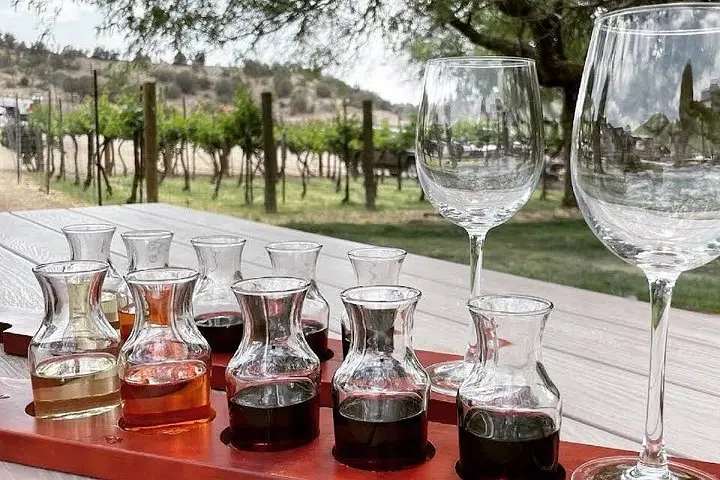
The day balances sensory contrasts. Tlaquepaque provides texture—metalwork, pottery, and the scent of chai from a courtyard café—while vineyard visits emphasize place: rows of vines, slate tasting counters and a conversation about irrigation in a high desert climate. At the Stupa silence is palpable; people linger, palms open, absorbing a different kind of landscape energy. Guides thread local history, from Hopi and Yavapai heritage to the 20th‑century agricultural pivots that birthed the Verde Valley wine scene.
Practical guidance: the private tour runs about 6–7 hours, with two winery tastings and several short stops for shopping and viewpoints. Expect light walking on uneven cobbles and gravel; comfortable, stable shoes are a must. Arizona sun can be relentless—carry a reusable water bottle and use SPF. The tour includes bottled water and private transportation; many venues are family and pet friendly, but carry ID for tastings and check dietary or mobility needs in advance.
Timing matters: mid‑morning departures avoid the hottest hours and allow the Stupa’s quiet to land before crowds swell. Photographers will want the warm light late afternoon on vineyard slopes and the magenta glow that sometimes sets the rocks alight near sunset. Tipping for your guide and a modest purchase in Tlaquepaque support local artisans and the small businesses that sustain this valley’s character.
A private wine tour here is rarely about speed. It’s a day of measured transitions—shopfront chatter, the clink of glasses, a moment of stillness beneath a stupa—where the landscape alternately speaks and listens.
The private tour runs about 6–7 hours, depending on traffic and time spent at each stop.
The itinerary lists tastings at two vineyards; confirm with the operator whether tasting fees are covered or paid on site.
Yes—private transportation includes pickup across the Verde Valley; confirm your pickup point when booking.
Yes; many stops are family and pet friendly. Non‑drinkers can still enjoy the scenery and shops; minors will not be served alcohol.
Accessibility varies by stop; contact the operator ahead of time to discuss mobility requirements and accessible venues.
Tipping is customary—15–20% of the tour cost or a cash amount based on service; tipping supports local guides and staff.
Elevated Sedona Wine Tours operates guided outdoor trips and adventures with an emphasis on safety, stewardship, and memorable experiences.
You step out of the air‑conditioned van into a landscape that seems to hold its breath: red sandstone ridges flare against a wide, sunlit sky while a light desert breeze teases the straps of your pack. The first stop is Tlaquepaque, where cobblestone lanes and adobe facades invite slow wandering between galleries and artisan shops. Later the route opens to vineyards and quiet river terraces—vine rows that lean toward the Verde River as if to listen—before a hush at the Amitabha Stupa, where wind and prayer flags trade secrets.
You step out of the air‑conditioned van into a landscape that seems to hold its breath: red sandstone ridges flare against a wide, sunlit sky while a light desert breeze teases the straps of your pack. The first stop is Tlaquepaque, where cobblestone lanes and adobe facades invite slow wandering between galleries and artisan shops. Later the route opens to vineyards and quiet river terraces—vine rows that lean toward the Verde River as if to listen—before a hush at the Amitabha Stupa, where wind and prayer flags trade secrets.
Sedona’s story is geological as much as it is spiritual. The red rocks are Permian sandstone — layers compressed and lifted over millions of years — their cracked faces bearing the grooves of ancient flows and wind. Culturally, the Verde Valley has long been a passageway for Native peoples, Spanish explorers and, more recently, vintners drawn to the region’s unique high‑desert terroir. The tasting rooms at Page Springs and Da Ranch sit on soils that give Arizona wine a distinct sun‑baked character: crisp acidity with warm fruit notes.
The day balances sensory contrasts. Tlaquepaque provides texture—metalwork, pottery, and the scent of chai from a courtyard café—while vineyard visits emphasize place: rows of vines, slate tasting counters and a conversation about irrigation in a high desert climate. At the Stupa silence is palpable; people linger, palms open, absorbing a different kind of landscape energy. Guides thread local history, from Hopi and Yavapai heritage to the 20th‑century agricultural pivots that birthed the Verde Valley wine scene.
Practical guidance: the private tour runs about 6–7 hours, with two winery tastings and several short stops for shopping and viewpoints. Expect light walking on uneven cobbles and gravel; comfortable, stable shoes are a must. Arizona sun can be relentless—carry a reusable water bottle and use SPF. The tour includes bottled water and private transportation; many venues are family and pet friendly, but carry ID for tastings and check dietary or mobility needs in advance.
Timing matters: mid‑morning departures avoid the hottest hours and allow the Stupa’s quiet to land before crowds swell. Photographers will want the warm light late afternoon on vineyard slopes and the magenta glow that sometimes sets the rocks alight near sunset. Tipping for your guide and a modest purchase in Tlaquepaque support local artisans and the small businesses that sustain this valley’s character.
A private wine tour here is rarely about speed. It’s a day of measured transitions—shopfront chatter, the clink of glasses, a moment of stillness beneath a stupa—where the landscape alternately speaks and listens.