THE ADVENTURE COLLECTIVE® · Independent discovery and booking for outdoor travel

Spend 3–4 hours exploring Sedona’s red rock canyons while learning survival skills, sampling wild foods and visiting ancient Sinagua ruins. This private, hands-on hike blends natural history with practical wilderness techniques and a wild-food picnic.
Spend 3–4 hours exploring Sedona’s red rock canyons while learning survival skills, sampling wild foods and visiting ancient Sinagua ruins. This private, hands-on hike blends natural history with practical wilderness techniques and a wild-food picnic.
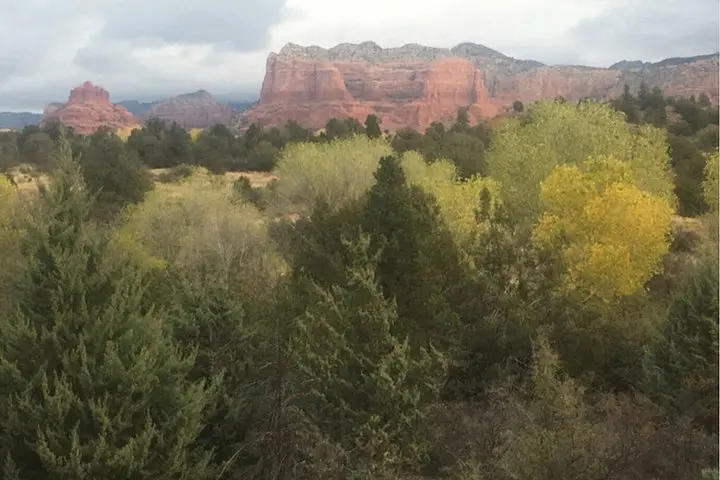
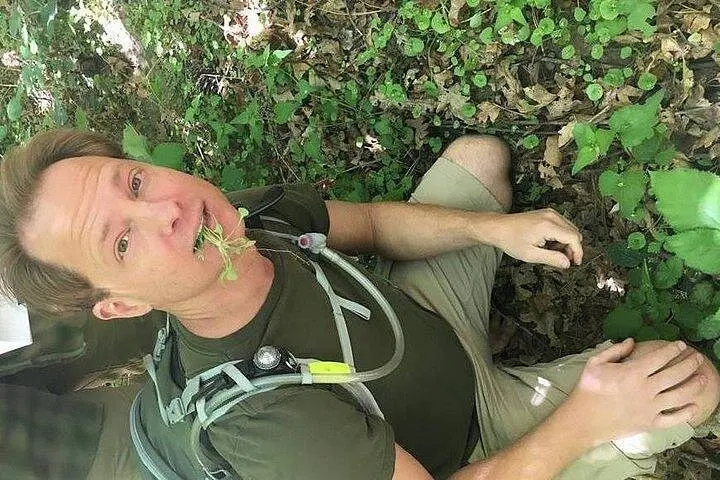
You step off the jeep-shadowed road and into a canyon that seems to tilt the sky: red sandstone walls warming under a clean, high-desert sun, a shallow creek daring you to follow it upstream. The guide points out a cluster of yucca and bends to gather a handful of tender greens; the air smells faintly of mesquite smoke and iron-rich stone.
Verified experiences and guided adventures in the surrounding area.
Operated by Southwest Survival.com · Sedona, Arizona
You step off the jeep-shadowed road and into a canyon that seems to tilt the sky: red sandstone walls warming under a clean, high-desert sun, a shallow creek daring you to follow it upstream. The guide points out a cluster of yucca and bends to gather a handful of tender greens; the air smells faintly of mesquite smoke and iron-rich stone.
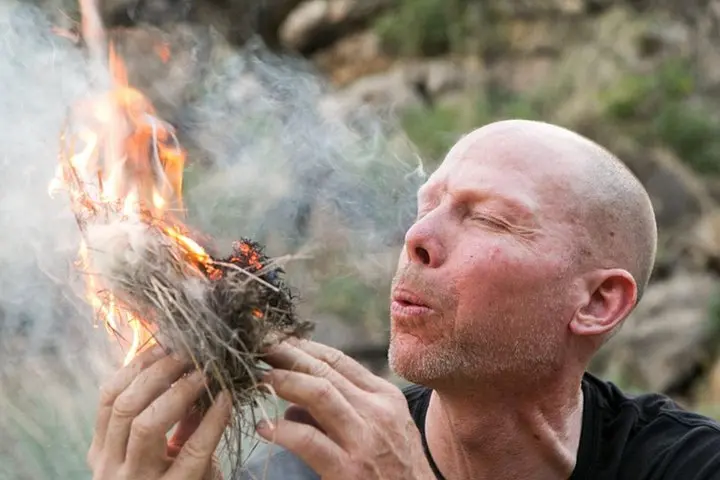
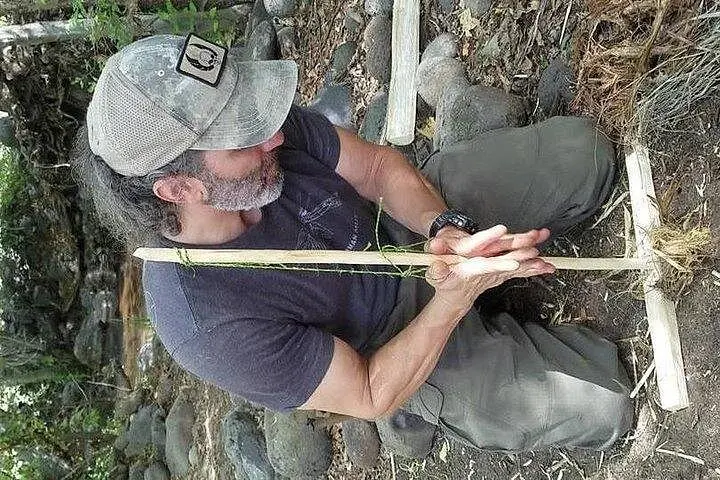
This guided, private 3–4 hour hike threads natural history, Indigenous culture and practical wilderness skills. The region’s cliffs are Permian and Navajo sandstones carved by millennia of wind and water; ancient Sinagua people once moved through these same drainages, leaving stone ruins and rock-ringed granaries. Today the work focuses on hands-on learning—fire by friction, rope from yucca, and tasting mesquite and acorn-based foods—while discussing local wildlife and desert foraging ethics.
Bring good footwear: routes include sandy washes, short scrambles and a few slickrock slabs, plus a possible wade or dip in a hidden pool. Expect interpretive stops at petroglyphs or ruin sites and a wild-food picnic of locally sourced ingredients; the guide customizes pace to your group.
Practical guidance: start early to avoid midday heat, carry at least 2–3 liters of water, and pack sun protection and layered clothing for rapid temperature shifts. Leave electronic maps on hand but prioritize the guide’s local knowledge—this hike rewards curiosity, basic stamina and respect for fragile desert ecology.
Yes; the tour is private and customized to pace and ability, though expect some uneven terrain—check with the operator about very young children.
The guide explains ingredients and preparation; disclose allergies when booking so substitutions can be planned.
You may visit visible ruins and rock features; touching or removing artifacts is prohibited and the guide enforces respectful viewing distance.
Trips cancel or reschedule for storms and unsafe conditions—confirm the 24-hour cancellation policy when you book.
Southwest Survival.com operates guided outdoor trips and adventures with an emphasis on safety, stewardship, and memorable experiences.
You step off the jeep-shadowed road and into a canyon that seems to tilt the sky: red sandstone walls warming under a clean, high-desert sun, a shallow creek daring you to follow it upstream. The guide points out a cluster of yucca and bends to gather a handful of tender greens; the air smells faintly of mesquite smoke and iron-rich stone.
You step off the jeep-shadowed road and into a canyon that seems to tilt the sky: red sandstone walls warming under a clean, high-desert sun, a shallow creek daring you to follow it upstream. The guide points out a cluster of yucca and bends to gather a handful of tender greens; the air smells faintly of mesquite smoke and iron-rich stone.
This guided, private 3–4 hour hike threads natural history, Indigenous culture and practical wilderness skills. The region’s cliffs are Permian and Navajo sandstones carved by millennia of wind and water; ancient Sinagua people once moved through these same drainages, leaving stone ruins and rock-ringed granaries. Today the work focuses on hands-on learning—fire by friction, rope from yucca, and tasting mesquite and acorn-based foods—while discussing local wildlife and desert foraging ethics.
Bring good footwear: routes include sandy washes, short scrambles and a few slickrock slabs, plus a possible wade or dip in a hidden pool. Expect interpretive stops at petroglyphs or ruin sites and a wild-food picnic of locally sourced ingredients; the guide customizes pace to your group.
Practical guidance: start early to avoid midday heat, carry at least 2–3 liters of water, and pack sun protection and layered clothing for rapid temperature shifts. Leave electronic maps on hand but prioritize the guide’s local knowledge—this hike rewards curiosity, basic stamina and respect for fragile desert ecology.