THE ADVENTURE COLLECTIVE® · Independent discovery and booking for outdoor travel

Cover all seven UNESCO World Heritage Sites in the Kathmandu Valley in a single, carefully paced day. This private-car tour moves from hilltop stupas to medieval palace squares, offering concentrated cultural context with practical logistics for a long, accessible day of exploration.
Cover all seven UNESCO World Heritage Sites in the Kathmandu Valley in a single, carefully paced day. This private-car tour moves from hilltop stupas to medieval palace squares, offering concentrated cultural context with practical logistics for a long, accessible day of exploration.
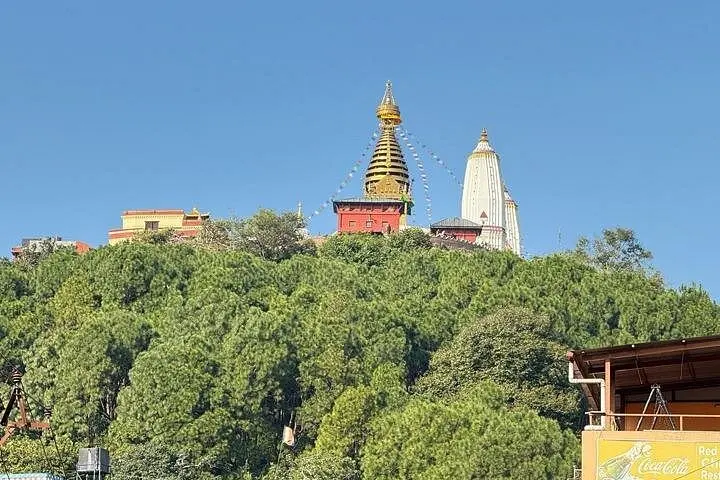
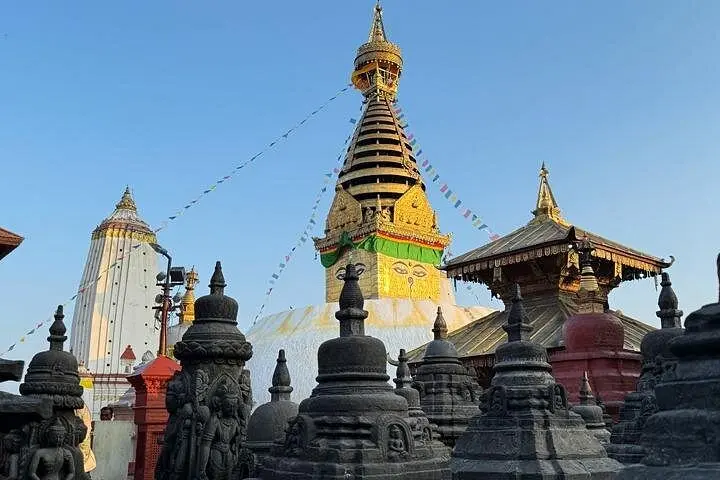
Morning light cuts across a city of carved wood and prayer flags as a private car threads Kathmandu’s narrow lanes toward Swayambhunath. The hill breathes history — monkeys patrol stone steps, bells answer the wind — and a single day of focused travel can move you through seven UNESCO sites that have shaped Nepal’s spiritual and artistic life.
Verified experiences and guided adventures in the surrounding area.
Operated by Himalayan Advisor Pvt. Ltd. · Kathmandu, Bagmati Province
Morning light cuts across a city of carved wood and prayer flags as a private car threads Kathmandu’s narrow lanes toward Swayambhunath. The hill breathes history — monkeys patrol stone steps, bells answer the wind — and a single day of focused travel can move you through seven UNESCO sites that have shaped Nepal’s spiritual and artistic life.
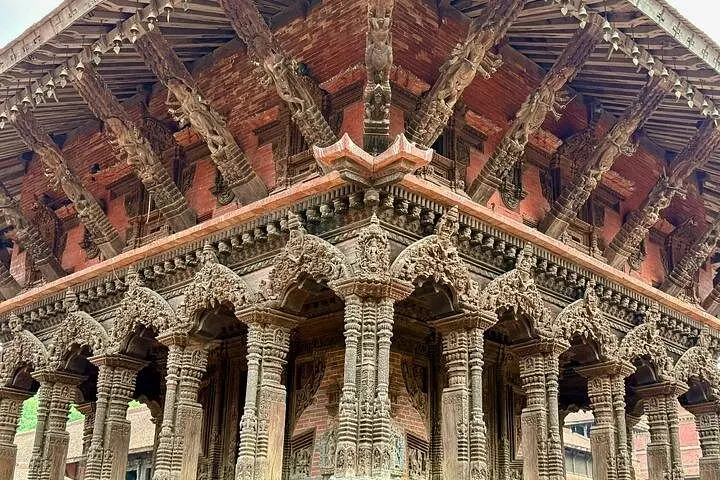
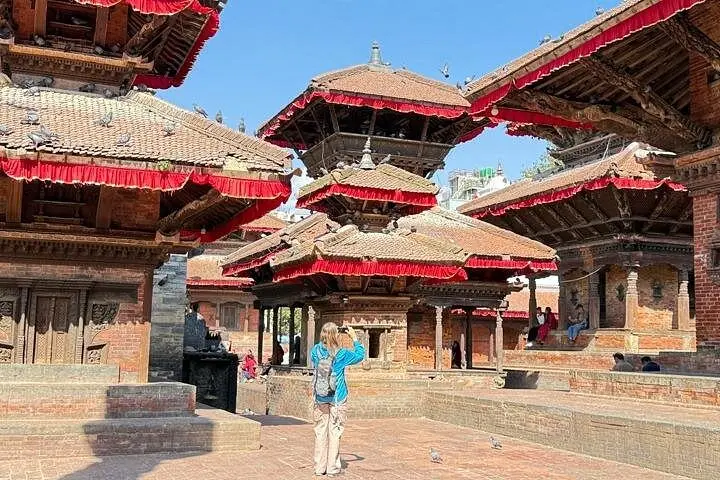
These sites span eras: Licchavi stonework at Changunarayan, medieval Newar palace craft in Patan and Bhaktapur, and the towering mandala of Boudhanath, whose 36-meter dome gathers gompas and pilgrims. Pashupatinath sits on the Bagmati where cremation ghats and saffron-robed sadhus present an unvarnished view of Hindu rites. Durbar squares show multi-storied pagoda roofs and intricate struts; Nyatapola’s five-tiered pagoda lifts a town’s pride skyward.
Geology is quiet but present — terraced hilltops, the alluvial plain of the valley, and the river that has long guided settlement and ritual. Local Newar culture is the thread tying courtyards, mask makers, and festivals together.
Practical side: expect a 12-hour day by private vehicle with hotel pickup and mostly short walks between monuments. Wear comfortable walking shoes for stairs (Swayambhunath’s 365 steps), bring water, and dress modestly for temple entry; some sites restrict photography. Guides explain iconography and fast-moving lines; entry fees for the seven sites are usually included. Start early to avoid traffic, carry small cash for donations and souvenirs, and plan for a long but accessible day — culturally dense, low technical demand, and high in sensory reward.
Yes — this tour typically includes required entry fees for the seven UNESCO sites within the Kathmandu Valley.
Walking is intermittent: short courtyard explorations and stairs at sites like Swayambhunath and Nyatapola, but most transfers are by private vehicle.
Photography is generally permitted at most sites but restricted at certain shrines and Pashupatinath’s cremation ghats; follow your guide’s cues and respect worshippers.
The tour is family-friendly but involves stairs and uneven surfaces; travelers with mobility limits should notify the operator for tailored pickup and shorter on-foot segments.
Himalayan Advisor Pvt. Ltd. operates guided outdoor trips and adventures with an emphasis on safety, stewardship, and memorable experiences.
Morning light cuts across a city of carved wood and prayer flags as a private car threads Kathmandu’s narrow lanes toward Swayambhunath. The hill breathes history — monkeys patrol stone steps, bells answer the wind — and a single day of focused travel can move you through seven UNESCO sites that have shaped Nepal’s spiritual and artistic life.
Morning light cuts across a city of carved wood and prayer flags as a private car threads Kathmandu’s narrow lanes toward Swayambhunath. The hill breathes history — monkeys patrol stone steps, bells answer the wind — and a single day of focused travel can move you through seven UNESCO sites that have shaped Nepal’s spiritual and artistic life.
These sites span eras: Licchavi stonework at Changunarayan, medieval Newar palace craft in Patan and Bhaktapur, and the towering mandala of Boudhanath, whose 36-meter dome gathers gompas and pilgrims. Pashupatinath sits on the Bagmati where cremation ghats and saffron-robed sadhus present an unvarnished view of Hindu rites. Durbar squares show multi-storied pagoda roofs and intricate struts; Nyatapola’s five-tiered pagoda lifts a town’s pride skyward.
Geology is quiet but present — terraced hilltops, the alluvial plain of the valley, and the river that has long guided settlement and ritual. Local Newar culture is the thread tying courtyards, mask makers, and festivals together.
Practical side: expect a 12-hour day by private vehicle with hotel pickup and mostly short walks between monuments. Wear comfortable walking shoes for stairs (Swayambhunath’s 365 steps), bring water, and dress modestly for temple entry; some sites restrict photography. Guides explain iconography and fast-moving lines; entry fees for the seven sites are usually included. Start early to avoid traffic, carry small cash for donations and souvenirs, and plan for a long but accessible day — culturally dense, low technical demand, and high in sensory reward.