THE ADVENTURE COLLECTIVE® · Independent discovery and booking for outdoor travel

Two of Dubai’s best views in one booking: high-altitude panoramas from Burj Khalifa’s 124/125 floors and the Palm Tower’s 52nd-floor outlook over Palm Jumeirah. This combo saves time and pairs skyline spectacle with coastal perspective.
Two of Dubai’s best views in one booking: high-altitude panoramas from Burj Khalifa’s 124/125 floors and the Palm Tower’s 52nd-floor outlook over Palm Jumeirah. This combo saves time and pairs skyline spectacle with coastal perspective.
Standing on the glass-clad promenade of the Palm Tower, the city unfurls like a map—fingers of sand and steel reaching into the Persian Gulf. An hour later, at levels 124 and 125 of the Burj Khalifa, the same city compresses beneath you: parks shrink, highways thread like veins, and the water glitters as an argument with the sun.
Verified experiences and guided adventures in the surrounding area.
Operated by Trip Ventura · Dubai, Dubai
Standing on the glass-clad promenade of the Palm Tower, the city unfurls like a map—fingers of sand and steel reaching into the Persian Gulf. An hour later, at levels 124 and 125 of the Burj Khalifa, the same city compresses beneath you: parks shrink, highways thread like veins, and the water glitters as an argument with the sun.
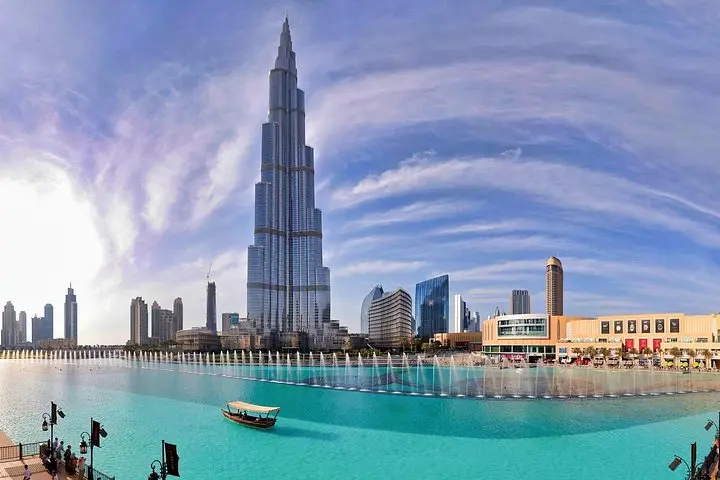
Burj Khalifa opened in 2010 and changed how the world reads Dubai’s skyline; its observation deck on 124/125 offers high-speed elevator access to 452 meters above street level. The View at The Palm sits at roughly 240 meters on the Palm Tower, focused on the man-made crescent of Palm Jumeirah—an engineering milestone begun in the early 2000s that reshaped Dubai’s coast.
Both viewpoints combine recent engineering history with the city’s rapid cultural shifts: luxury hotels, reclaimed shoreline, and public promenades. Expect floor-to-ceiling glass, interpretive exhibits about construction and urban planning, and rooftop bar options at the Palm.
Practical guidance: allocate about two hours for the combo, including security lines and elevators. Visit at golden hour for balanced light—Burj Khalifa is often busier at sunset, while the Palm can be quieter in late afternoon.
Transport is straightforward: Dubai Mall/Burj Khalifa Metro and the Palm Monorail put you within walking distance. Bring ID for booking, carry a lightweight layer for air-conditioned interiors, and use a phone or camera with a wide-angle lens for better skyline shots. Tickets are mobile-friendly and often non-refundable—confirm timing and entry windows when you book.
No—you can book separately, but the combo typically offers savings and consolidates timing for both visits.
Plan about 45–60 minutes at each site to allow for security screening, elevators, exhibits, and photos.
Yes—both sites have elevator access and are wheelchair-accessible; contact operators ahead for specific assistance.
No—standard admission covers access only; the Palm Tower has a rooftop bar and other paid food/beverage options.
Trip Ventura operates guided outdoor trips and adventures with an emphasis on safety, stewardship, and memorable experiences.
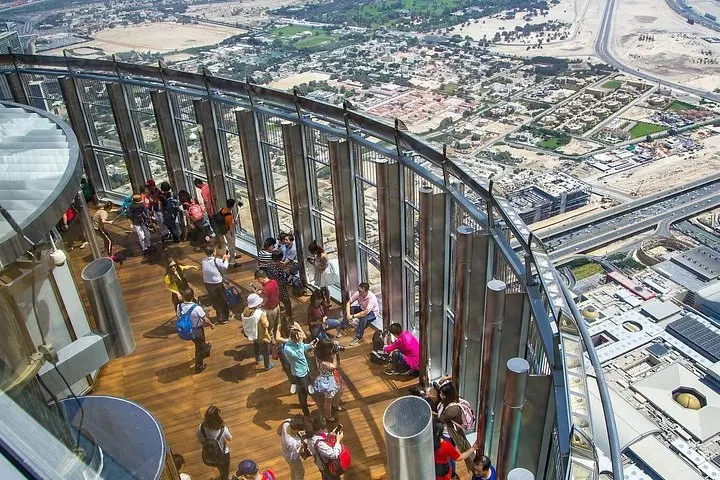
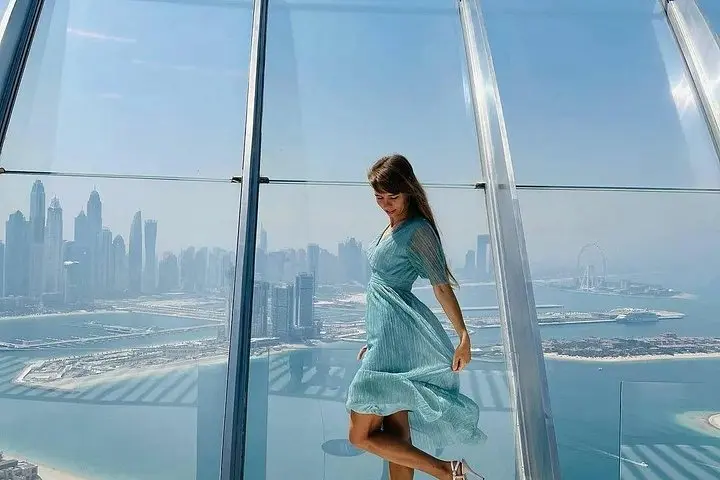
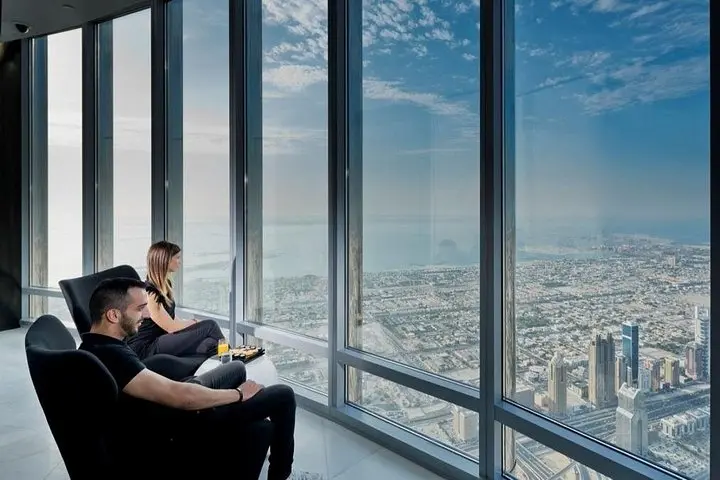
Standing on the glass-clad promenade of the Palm Tower, the city unfurls like a map—fingers of sand and steel reaching into the Persian Gulf. An hour later, at levels 124 and 125 of the Burj Khalifa, the same city compresses beneath you: parks shrink, highways thread like veins, and the water glitters as an argument with the sun.
Standing on the glass-clad promenade of the Palm Tower, the city unfurls like a map—fingers of sand and steel reaching into the Persian Gulf. An hour later, at levels 124 and 125 of the Burj Khalifa, the same city compresses beneath you: parks shrink, highways thread like veins, and the water glitters as an argument with the sun.
Burj Khalifa opened in 2010 and changed how the world reads Dubai’s skyline; its observation deck on 124/125 offers high-speed elevator access to 452 meters above street level. The View at The Palm sits at roughly 240 meters on the Palm Tower, focused on the man-made crescent of Palm Jumeirah—an engineering milestone begun in the early 2000s that reshaped Dubai’s coast.
Both viewpoints combine recent engineering history with the city’s rapid cultural shifts: luxury hotels, reclaimed shoreline, and public promenades. Expect floor-to-ceiling glass, interpretive exhibits about construction and urban planning, and rooftop bar options at the Palm.
Practical guidance: allocate about two hours for the combo, including security lines and elevators. Visit at golden hour for balanced light—Burj Khalifa is often busier at sunset, while the Palm can be quieter in late afternoon.
Transport is straightforward: Dubai Mall/Burj Khalifa Metro and the Palm Monorail put you within walking distance. Bring ID for booking, carry a lightweight layer for air-conditioned interiors, and use a phone or camera with a wide-angle lens for better skyline shots. Tickets are mobile-friendly and often non-refundable—confirm timing and entry windows when you book.