THE ADVENTURE COLLECTIVE® · Independent discovery and booking for outdoor travel
Explore a string of waterfalls near Sekumpul and Baliage village on a guided day trek that mixes river crossings, rice-field views and traditional Balinese village stops. Expect slippery steps, close-up cascades and a hands-on look at palm-sugar processing.
Explore a string of waterfalls near Sekumpul and Baliage village on a guided day trek that mixes river crossings, rice-field views and traditional Balinese village stops. Expect slippery steps, close-up cascades and a hands-on look at palm-sugar processing.
A narrow jungle track opens onto the first drop: cool spray, moss-slick rock and a chorus of water daring you closer. The Bali Waterfall tour sends travelers into northern Bali’s hill country to visit a cluster of falls around Sekumpul and nearby Baliage village — a compact day of river crossings, rice terraces and village life.
Verified experiences and guided adventures in the surrounding area.
Operated by Best Adventure In Bali · Singaraja, Bali
A narrow jungle track opens onto the first drop: cool spray, moss-slick rock and a chorus of water daring you closer. The Bali Waterfall tour sends travelers into northern Bali’s hill country to visit a cluster of falls around Sekumpul and nearby Baliage village — a compact day of river crossings, rice terraces and village life.
Geology here is volcanic and steep; streams have carved narrow gorges through young basalt and volcanic tuff, producing a series of vertical drops. Culturally the route threads past small Balinese family compounds, a traditional bamboo house and a simple sugar-processing area where palm sugar is made by hand. The trail also passes temples and markers that reflect the island’s Hindu-Balinese heritage and local agricultural practices.
Practically, expect 4–6 hours total including transfers, with roughly 4–6 km of walking and 150–300 m of cumulative elevation change on uneven trails. Terrain alternates between stepped stone paths, muddy tracks and riverbed scrambling; many sections are slippery when wet. A local guide leads through tricky crossings and points out hidden cascades and fruit trees.
Bring sturdy, grippy shoes, a lightweight rain layer for the wet season, water and a small daypack. Morning light is best for photography and cooler hiking; avoid heavy rains when streams rise. Respect village life: remove shoes at temple gates, ask before photographing locals and carry out any trash. The tour rewards effort with dramatic plunges, quiet plunge pools and a close look at rural Balinese life.
Most walking accumulates to about 4–6 km round-trip; individual segments between falls are short but include stairs and uneven ground.
Children can do the trek if supervised and used to hiking; expect slippery sections and river crossings—ask the operator about ages and extra guides.
A local guide is recommended for navigation, safe crossings and cultural context; many operators include one in the price.
Dry months (April–October) offer easier footing and clearer pools; mornings provide the best light and cooler conditions.
Best Adventure In Bali operates guided outdoor trips and adventures with an emphasis on safety, stewardship, and memorable experiences.
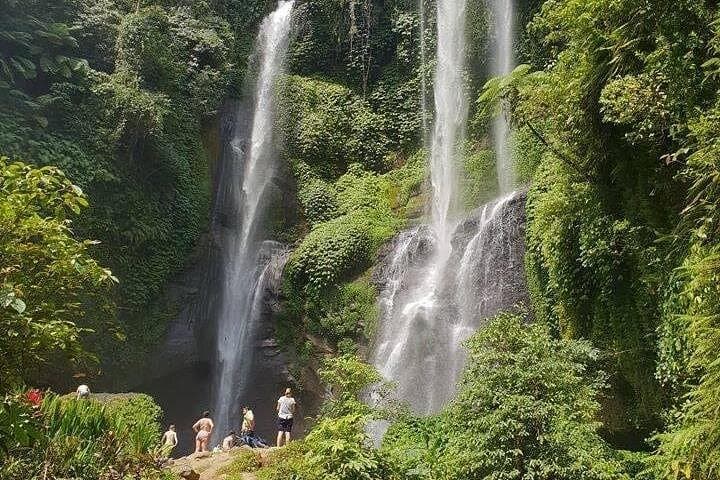
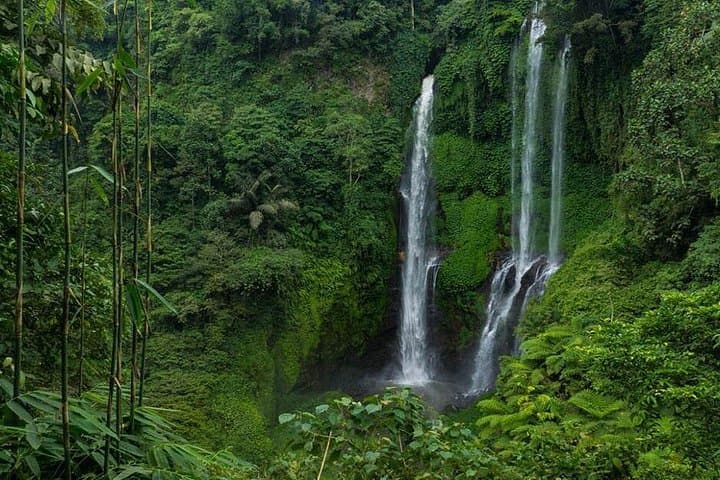
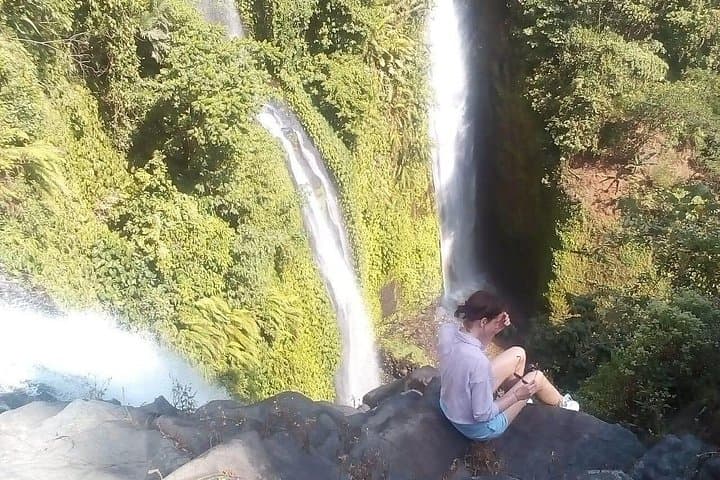
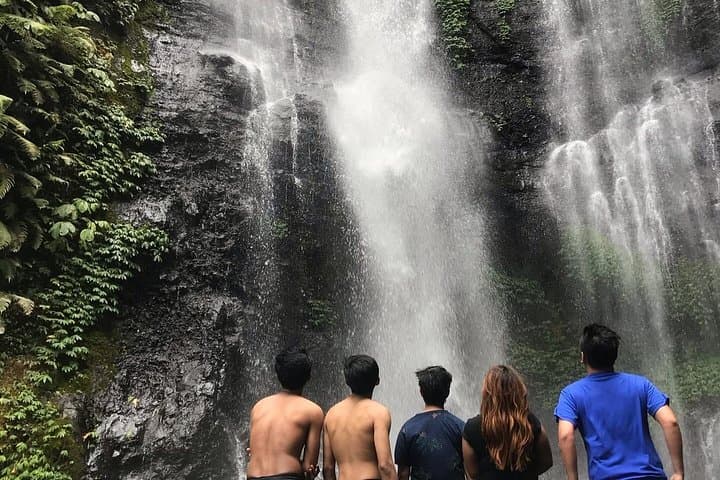
A narrow jungle track opens onto the first drop: cool spray, moss-slick rock and a chorus of water daring you closer. The Bali Waterfall tour sends travelers into northern Bali’s hill country to visit a cluster of falls around Sekumpul and nearby Baliage village — a compact day of river crossings, rice terraces and village life.
A narrow jungle track opens onto the first drop: cool spray, moss-slick rock and a chorus of water daring you closer. The Bali Waterfall tour sends travelers into northern Bali’s hill country to visit a cluster of falls around Sekumpul and nearby Baliage village — a compact day of river crossings, rice terraces and village life.
Geology here is volcanic and steep; streams have carved narrow gorges through young basalt and volcanic tuff, producing a series of vertical drops. Culturally the route threads past small Balinese family compounds, a traditional bamboo house and a simple sugar-processing area where palm sugar is made by hand. The trail also passes temples and markers that reflect the island’s Hindu-Balinese heritage and local agricultural practices.
Practically, expect 4–6 hours total including transfers, with roughly 4–6 km of walking and 150–300 m of cumulative elevation change on uneven trails. Terrain alternates between stepped stone paths, muddy tracks and riverbed scrambling; many sections are slippery when wet. A local guide leads through tricky crossings and points out hidden cascades and fruit trees.
Bring sturdy, grippy shoes, a lightweight rain layer for the wet season, water and a small daypack. Morning light is best for photography and cooler hiking; avoid heavy rains when streams rise. Respect village life: remove shoes at temple gates, ask before photographing locals and carry out any trash. The tour rewards effort with dramatic plunges, quiet plunge pools and a close look at rural Balinese life.
