THE ADVENTURE COLLECTIVE® · Independent discovery and booking for outdoor travel
Paddle a true maze of 6,000-plus islands on this 5-day self-guided sea kayaking and wildcamping trip in the Saint Anna Archipelago. Navigate sheltered bays, sleep on deserted islets, and sample village seafood while relying on a detailed guidebook and 24/7 support.
Paddle a true maze of 6,000-plus islands on this 5-day self-guided sea kayaking and wildcamping trip in the Saint Anna Archipelago. Navigate sheltered bays, sleep on deserted islets, and sample village seafood while relying on a detailed guidebook and 24/7 support.
You push off from a sheltered inlet and the maze of islands opens like a map you must redraw every hour. Wind-swept pines lean to the east, and the water—sometimes glassy, sometimes a slate current—pulls your kayak toward a band of low, wind-pinned skerries. Sea eagles wheel above; shorelines dare you to explore their hidden coves.
Verified experiences and guided adventures in the surrounding area.
Operated by Do the North AB · Gryt, Östergötland
You push off from a sheltered inlet and the maze of islands opens like a map you must redraw every hour. Wind-swept pines lean to the east, and the water—sometimes glassy, sometimes a slate current—pulls your kayak toward a band of low, wind-pinned skerries. Sea eagles wheel above; shorelines dare you to explore their hidden coves.
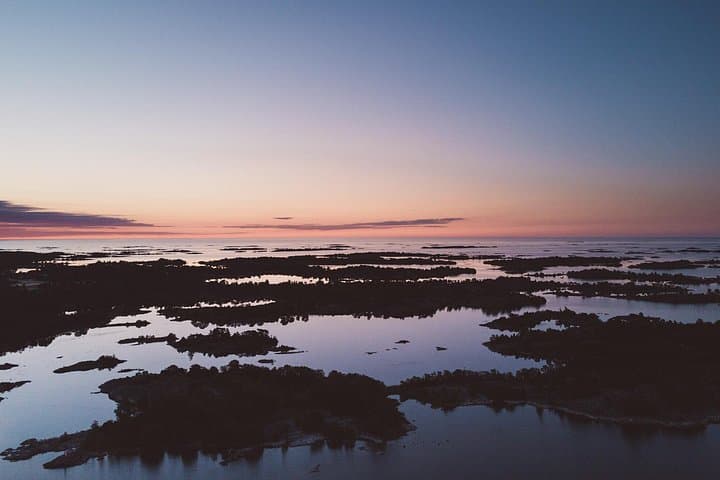
The Saint Anna Archipelago is a product of the last ice age: glacial scouring left tens of thousands of skerries and islets, a geology of hard rock and shallow channels. Human marks are layered over that geology—19th-century copper works on Fångö, age-old fishing homesteads, and seasonal summer settlements like Harstena where smokehouses and a single bakery recall a maritime life lived close to the elements.
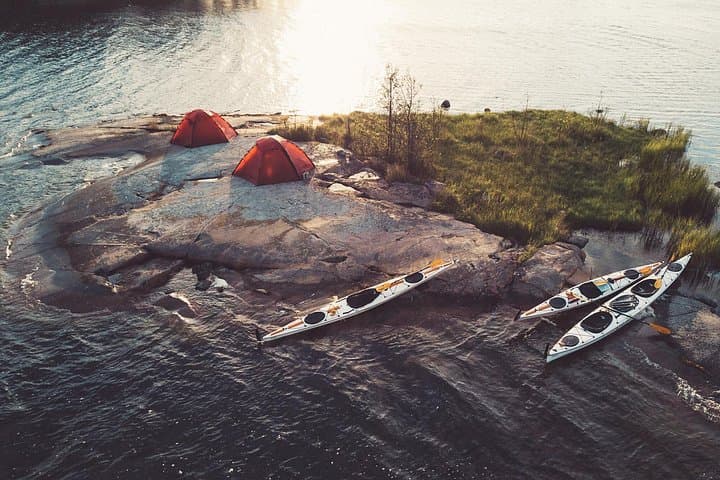
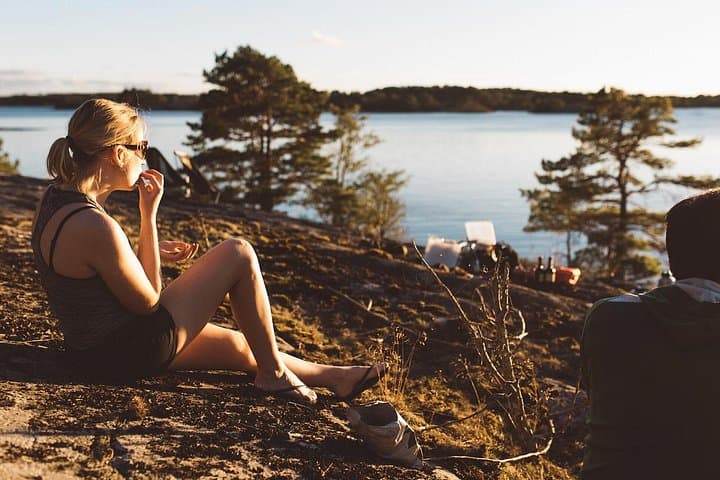
This self-guided trip hands you the map and the gear. Expect a blend of sheltered forested paddles and exposed crossings to barren islands; tides and wind shape each day’s route. Camp where regulations and bird sanctuaries allow, sleep to the hiss of waves, and use the supplied guidebook and 24/7 support for navigation and weather updates.
Practical advice: choose daily legs you can comfortably paddle (3–6 hours), plan for changing wind, and carry redundancy—waterproof communication, spare dry layers, and a means to purify water. Respect nesting seasons, leave no trace, and pack an evening stove for hot meals. With basic paddling skills, a willingness to read charts and the right kit, this is a coastal expedition that rewards curiosity with wide, quiet horizons.
No advanced experience required, but you should be comfortable paddling for several hours and have basic strokes; instruction is provided at briefing.
You may wild camp on most uninhabited islands outside protected bird areas; follow local rules—fires are allowed where wood is available and no restrictions are posted, but use minimal impact practices.
You can pre-order groceries at cost; meals and stoves are not fully catered—expect to cook for yourself using supplied kit.
You get a detailed guidebook, briefing on safety and navigation, a phone for weather and 24/7 support, and return transport arranged to the mainland.
Do the North AB operates guided outdoor trips and adventures with an emphasis on safety, stewardship, and memorable experiences.
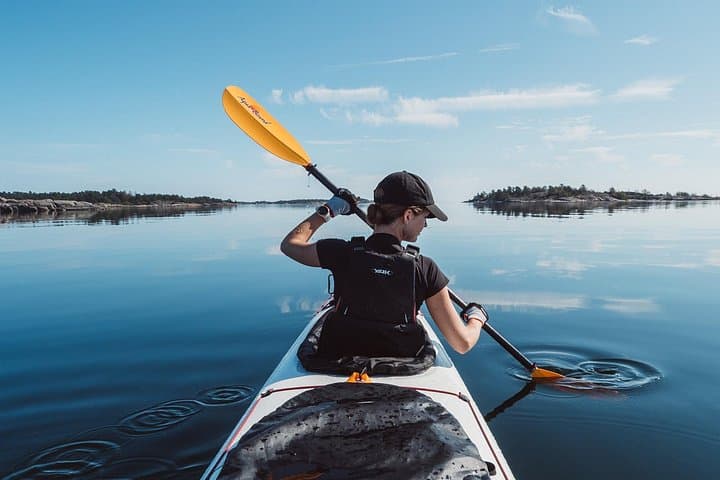
You push off from a sheltered inlet and the maze of islands opens like a map you must redraw every hour. Wind-swept pines lean to the east, and the water—sometimes glassy, sometimes a slate current—pulls your kayak toward a band of low, wind-pinned skerries. Sea eagles wheel above; shorelines dare you to explore their hidden coves.
You push off from a sheltered inlet and the maze of islands opens like a map you must redraw every hour. Wind-swept pines lean to the east, and the water—sometimes glassy, sometimes a slate current—pulls your kayak toward a band of low, wind-pinned skerries. Sea eagles wheel above; shorelines dare you to explore their hidden coves.
The Saint Anna Archipelago is a product of the last ice age: glacial scouring left tens of thousands of skerries and islets, a geology of hard rock and shallow channels. Human marks are layered over that geology—19th-century copper works on Fångö, age-old fishing homesteads, and seasonal summer settlements like Harstena where smokehouses and a single bakery recall a maritime life lived close to the elements.
This self-guided trip hands you the map and the gear. Expect a blend of sheltered forested paddles and exposed crossings to barren islands; tides and wind shape each day’s route. Camp where regulations and bird sanctuaries allow, sleep to the hiss of waves, and use the supplied guidebook and 24/7 support for navigation and weather updates.
Practical advice: choose daily legs you can comfortably paddle (3–6 hours), plan for changing wind, and carry redundancy—waterproof communication, spare dry layers, and a means to purify water. Respect nesting seasons, leave no trace, and pack an evening stove for hot meals. With basic paddling skills, a willingness to read charts and the right kit, this is a coastal expedition that rewards curiosity with wide, quiet horizons.
