THE ADVENTURE COLLECTIVE® · Independent discovery and booking for outdoor travel

Walk St. Augustine’s historic streets with your phone as your guide—an audio-led, GPS-coordinated tour that connects forts, protests, and Minorcan neighborhoods. Learn the moments that shaped America’s oldest continuously occupied European-founded city at your own pace.
Walk St. Augustine’s historic streets with your phone as your guide—an audio-led, GPS-coordinated tour that connects forts, protests, and Minorcan neighborhoods. Learn the moments that shaped America’s oldest continuously occupied European-founded city at your own pace.
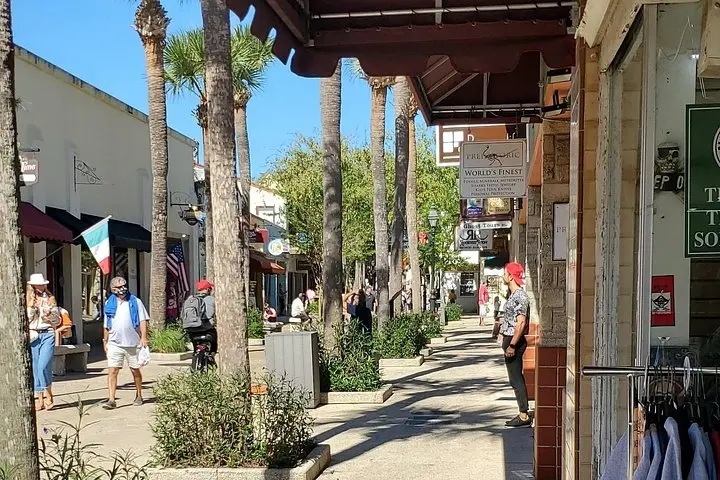
The old coquina and brick of St. Augustine brightens as the morning sun slants across St. George Street, and your phone gives voice to a city that has been arguing with the sea for centuries.
Verified experiences and guided adventures in the surrounding area.
Operated by Ancient City Tours · St. Augustine, Florida
The old coquina and brick of St. Augustine brightens as the morning sun slants across St. George Street, and your phone gives voice to a city that has been arguing with the sea for centuries.
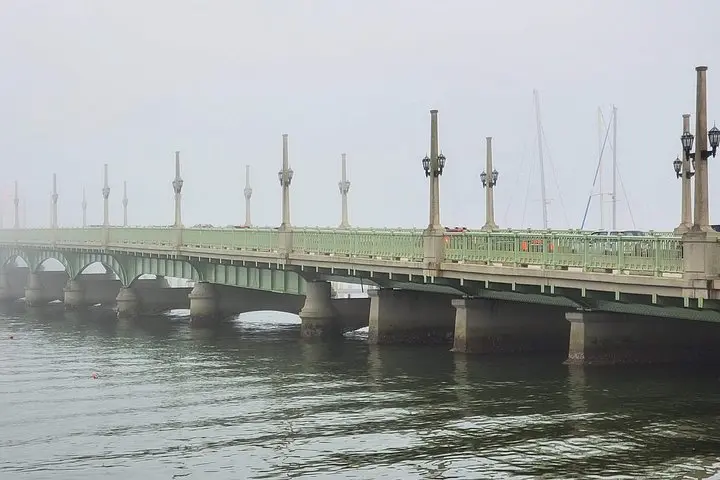
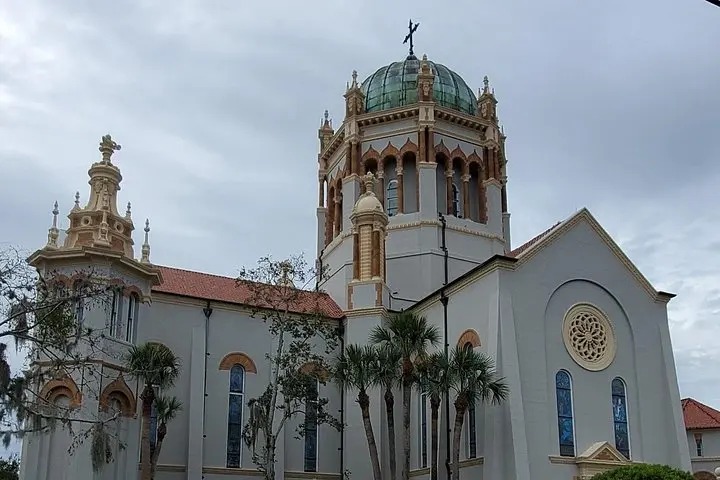
This self-guided audio tour threads through the Castillo de San Marcos, Woolworth doors, Minorcan neighborhoods and Matanzas Bay—sites layered with Spanish forts, British occupation, enslaved and freed peoples, and civil-rights confrontation. Geologically, the city sits on a limestone ridge and shell-based coquina that was quarried into fort walls; culturally, the streets still carry Minorcan recipes, Spanish street names, and the echo of Protest-era marches.
Audio chapters combine narrative history with measured scene-setting: soldiers’ footsteps on rutted earth, the river daring you to remember the harbor’s commerce, storefronts that quietly witnessed demonstrations. The tour’s GPS cues keep you on-route but put pace in your hands—pause at the Plaza to read plaques or linger at the Castillo to study cannon scarring.
Practical guidance: bring a charged smartphone, headphones, and a small water bottle; the route is paved but involves up to two hours of walking on cobbles and sidewalks. Peak summer can be hot and humid, spring and fall are crowded on weekends, and occasional high tides can make waterfront sections damp. Accessibility is strong in the historic core, but some alleys and older buildings have steps. Expect an interpretive blend of social history and architecture rather than a museum-level deep dive—this is storytelling on your timeline, with enough context to follow the city’s long, tangled arc.
Yes—once activated the app provides GPS-triggered audio and you control pace and stops.
Audio tours are offered in English and Spanish according to the provider's listing.
The historic core offers generally accessible sidewalks and ramps, but some alleys and older sites may have steps; check specific segments before arrival.
The itinerary is designed for about two hours; you can pause and resume at any GPS-marked point to explore at your own pace.
Ancient City Tours operates guided outdoor trips and adventures with an emphasis on safety, stewardship, and memorable experiences.

The old coquina and brick of St. Augustine brightens as the morning sun slants across St. George Street, and your phone gives voice to a city that has been arguing with the sea for centuries.
The old coquina and brick of St. Augustine brightens as the morning sun slants across St. George Street, and your phone gives voice to a city that has been arguing with the sea for centuries.
This self-guided audio tour threads through the Castillo de San Marcos, Woolworth doors, Minorcan neighborhoods and Matanzas Bay—sites layered with Spanish forts, British occupation, enslaved and freed peoples, and civil-rights confrontation. Geologically, the city sits on a limestone ridge and shell-based coquina that was quarried into fort walls; culturally, the streets still carry Minorcan recipes, Spanish street names, and the echo of Protest-era marches.
Audio chapters combine narrative history with measured scene-setting: soldiers’ footsteps on rutted earth, the river daring you to remember the harbor’s commerce, storefronts that quietly witnessed demonstrations. The tour’s GPS cues keep you on-route but put pace in your hands—pause at the Plaza to read plaques or linger at the Castillo to study cannon scarring.
Practical guidance: bring a charged smartphone, headphones, and a small water bottle; the route is paved but involves up to two hours of walking on cobbles and sidewalks. Peak summer can be hot and humid, spring and fall are crowded on weekends, and occasional high tides can make waterfront sections damp. Accessibility is strong in the historic core, but some alleys and older buildings have steps. Expect an interpretive blend of social history and architecture rather than a museum-level deep dive—this is storytelling on your timeline, with enough context to follow the city’s long, tangled arc.