THE ADVENTURE COLLECTIVE® · Independent discovery and booking for outdoor travel

Move beyond the façade and into the stories carved in Strasbourg Cathedral’s stone. This mobile audio guide combines offline playback, images, and an interactive map so you can explore the Astronomical Clock, stained glass, and medieval sculpture at your own pace.
Move beyond the façade and into the stories carved in Strasbourg Cathedral’s stone. This mobile audio guide combines offline playback, images, and an interactive map so you can explore the Astronomical Clock, stained glass, and medieval sculpture at your own pace.
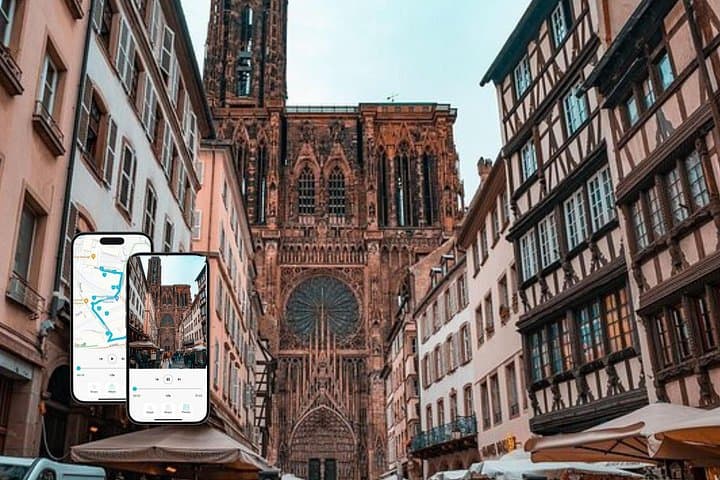
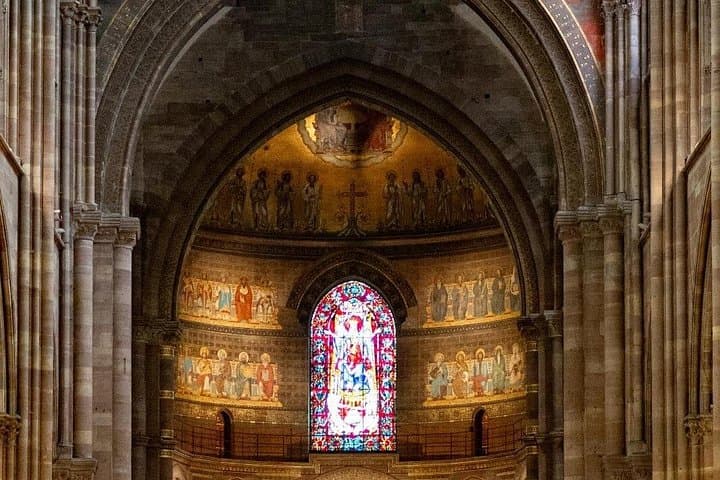
Stand at the base of Strasbourg Cathedral and feel the stone press history into the air: carvings stare down, gargoyles grin, and a single tower slices the sky. This self-guided mobile audio tour escorts you through those first impressions into the cathedral’s interior, where filtered light animates centuries-old glass and the Astronomical Clock marks time with theatrical precision.
Verified experiences and guided adventures in the surrounding area.
Operated by Tourific · Strasbourg, Grand Est
Stand at the base of Strasbourg Cathedral and feel the stone press history into the air: carvings stare down, gargoyles grin, and a single tower slices the sky. This self-guided mobile audio tour escorts you through those first impressions into the cathedral’s interior, where filtered light animates centuries-old glass and the Astronomical Clock marks time with theatrical precision.
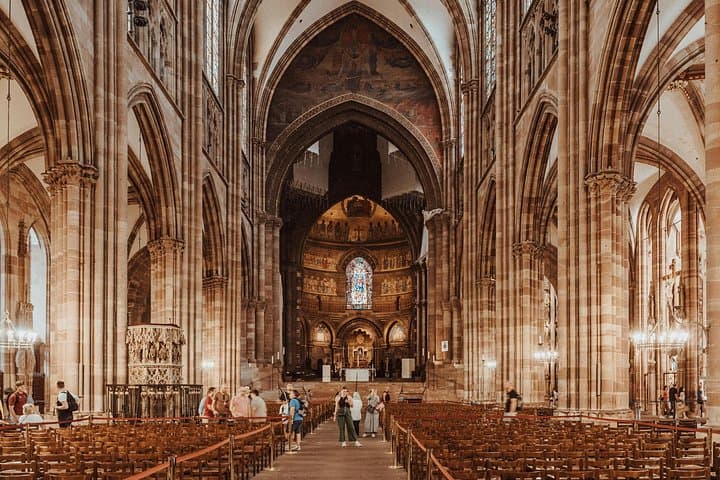
The building itself is late Romanesque evolving into High Gothic, its sandstone façade worked by medieval masons whose figures still tell local legends. The spire, completed in the 15th century, made the cathedral Europe’s tallest structure for centuries; inside, ribbed vaults and flying buttresses show practical engineering married to devotional intent. Alsace’s border history—alternating French and German rule—has left the cathedral a cultural crossroads: 19th-century restorations sit beside original medieval sculptures and mid-20th-century stained glass that reflects postwar European identity.
The audio guide pairs narration with images and an offline map, so you can pause at the Astronomical Clock, study the Pillar of Angels, or linger on the carved pulpit’s lucky dog without feeling rushed. Practical notes: download the tour and media before arrival for offline playback, bring comfortable shoes for stone floors, and allow about two hours to move at a reflective pace. Be mindful of services and photography restrictions during liturgies. For travelers curious about technique or iconography, the guide points out engineering details and symbolic programs you might miss looking only at the surface.
No—this is a mobile, self-guided audio tour you download to your device; however, check cathedral entry rules and special-event closures before visiting.
Yes; the tour and images can be downloaded for offline use once you install the app, avoiding the need for mobile data inside the cathedral.
The cathedral is suitable for most visitors but has historic steps and uneven surfaces; check specific accessibility services and routes in advance if you need step‑free access.
Plan about two hours to follow the full guide at a relaxed pace, allowing extra time if you intend to attend a service or explore nearby sites.
Tourific operates guided outdoor trips and adventures with an emphasis on safety, stewardship, and memorable experiences.

Stand at the base of Strasbourg Cathedral and feel the stone press history into the air: carvings stare down, gargoyles grin, and a single tower slices the sky. This self-guided mobile audio tour escorts you through those first impressions into the cathedral’s interior, where filtered light animates centuries-old glass and the Astronomical Clock marks time with theatrical precision.
Stand at the base of Strasbourg Cathedral and feel the stone press history into the air: carvings stare down, gargoyles grin, and a single tower slices the sky. This self-guided mobile audio tour escorts you through those first impressions into the cathedral’s interior, where filtered light animates centuries-old glass and the Astronomical Clock marks time with theatrical precision.
The building itself is late Romanesque evolving into High Gothic, its sandstone façade worked by medieval masons whose figures still tell local legends. The spire, completed in the 15th century, made the cathedral Europe’s tallest structure for centuries; inside, ribbed vaults and flying buttresses show practical engineering married to devotional intent. Alsace’s border history—alternating French and German rule—has left the cathedral a cultural crossroads: 19th-century restorations sit beside original medieval sculptures and mid-20th-century stained glass that reflects postwar European identity.
The audio guide pairs narration with images and an offline map, so you can pause at the Astronomical Clock, study the Pillar of Angels, or linger on the carved pulpit’s lucky dog without feeling rushed. Practical notes: download the tour and media before arrival for offline playback, bring comfortable shoes for stone floors, and allow about two hours to move at a reflective pace. Be mindful of services and photography restrictions during liturgies. For travelers curious about technique or iconography, the guide points out engineering details and symbolic programs you might miss looking only at the surface.