THE ADVENTURE COLLECTIVE® · Independent discovery and booking for outdoor travel

Turn Bristol’s streets into a playable gallery: a 90-minute, self-guided exploration game that leads you to Banksy and other landmark murals through puzzles and local stories. Play at your pace with only a phone and curiosity.
Turn Bristol’s streets into a playable gallery: a 90-minute, self-guided exploration game that leads you to Banksy and other landmark murals through puzzles and local stories. Play at your pace with only a phone and curiosity.
You step off the tram and the city hands you a catalog of walls — paint-scarred warehouses, shuttered shop fronts and alleys where a bird, a robot, and a stencilled figure share a block. The exploration game routes you through Stokes Croft and the Harbourside, turning Bristol’s concrete and brick into a puzzle you unlock with a phone and a pair of observant eyes.
Verified experiences and guided adventures in the surrounding area.
Operated by Questo · Bristol, England
You step off the tram and the city hands you a catalog of walls — paint-scarred warehouses, shuttered shop fronts and alleys where a bird, a robot, and a stencilled figure share a block. The exploration game routes you through Stokes Croft and the Harbourside, turning Bristol’s concrete and brick into a puzzle you unlock with a phone and a pair of observant eyes.
Bristol’s street-art scene grew from a mix of 20th-century port industry and late-20th-century youth culture; Banksy emerged from that backdrop, repurposing public surfaces to make political and personal statements. Geology quietly frames the story: the Avon carved its gorge to the north at Clifton while the city’s docks and warehouses—once working fabric of trade—now host larger murals and festivals like See No Evil.
Culturally, the route threads independent cafés, record stores and community art spaces; many pieces are ephemeral, painted over or conserved depending on ownership and public interest. The game highlights 11 locations, from large-scale commissioned murals to tucked-away stencils, each with short historical notes and a puzzle to advance.
Practical guidance: expect 60–120 minutes of mostly flat urban walking with uneven pavements. Bring a fully charged smartphone and a power bank, wear comfortable shoes, and schedule the game for morning or late afternoon to avoid peak foot traffic. Respect private property and local businesses—photograph and read the stories, don’t touch the art. This self-paced urban hunt suits solo travelers, couples, and small groups who want active, informal access to Bristol’s rebellious visual culture.
You receive a mobile access code after booking; enter it on the provider’s site or app to begin anytime within the valid period.
Yes; the listing notes stroller accessibility though some narrow alleys and uneven pavements may require care.
Yes — the experience is self-paced and designed to allow stopping and resuming at your convenience.
Art in public spaces is often ephemeral; puzzles focus on location and context, and the game typically provides alternative clues or historical notes when pieces change.
Questo operates guided outdoor trips and adventures with an emphasis on safety, stewardship, and memorable experiences.
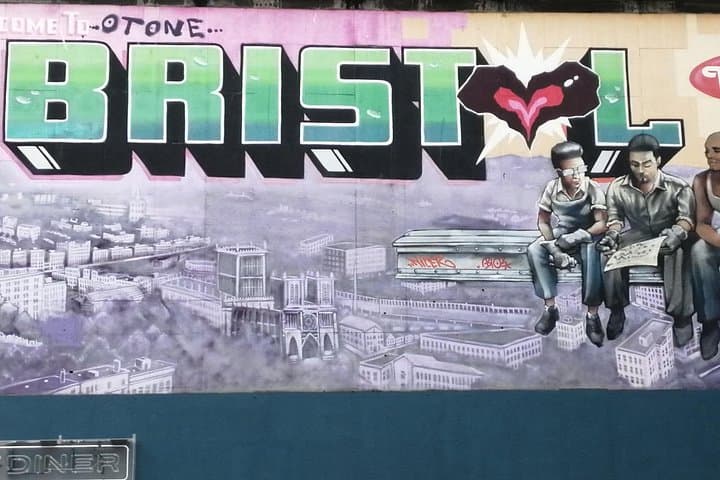
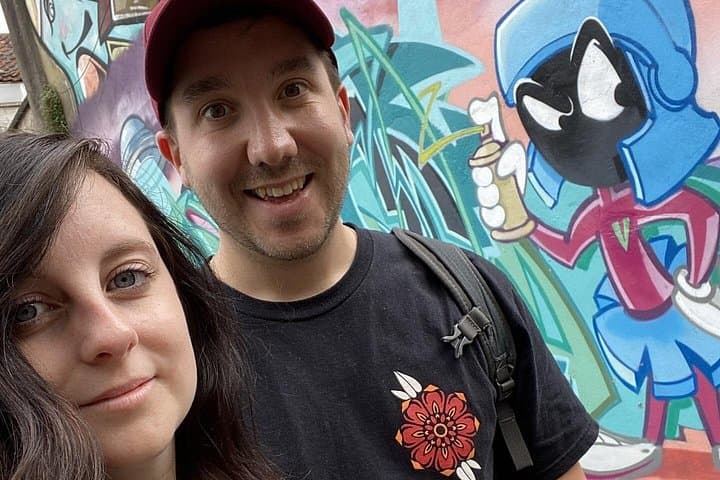
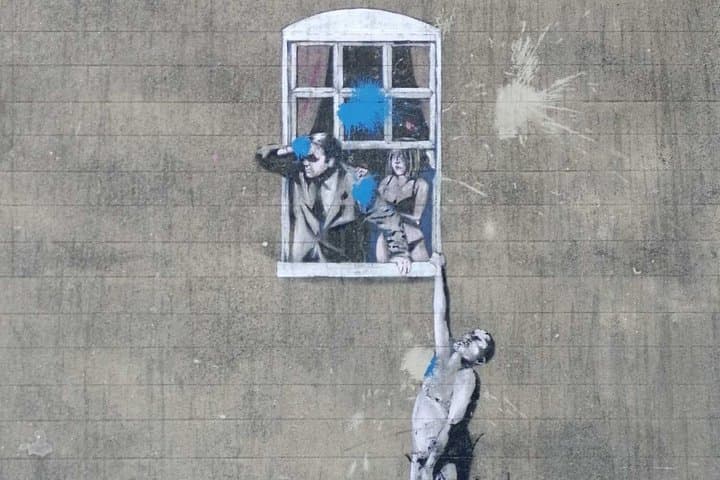
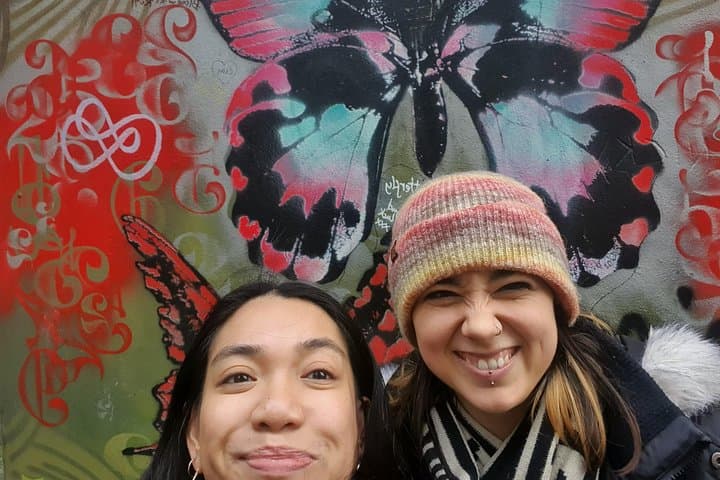
You step off the tram and the city hands you a catalog of walls — paint-scarred warehouses, shuttered shop fronts and alleys where a bird, a robot, and a stencilled figure share a block. The exploration game routes you through Stokes Croft and the Harbourside, turning Bristol’s concrete and brick into a puzzle you unlock with a phone and a pair of observant eyes.
You step off the tram and the city hands you a catalog of walls — paint-scarred warehouses, shuttered shop fronts and alleys where a bird, a robot, and a stencilled figure share a block. The exploration game routes you through Stokes Croft and the Harbourside, turning Bristol’s concrete and brick into a puzzle you unlock with a phone and a pair of observant eyes.
Bristol’s street-art scene grew from a mix of 20th-century port industry and late-20th-century youth culture; Banksy emerged from that backdrop, repurposing public surfaces to make political and personal statements. Geology quietly frames the story: the Avon carved its gorge to the north at Clifton while the city’s docks and warehouses—once working fabric of trade—now host larger murals and festivals like See No Evil.
Culturally, the route threads independent cafés, record stores and community art spaces; many pieces are ephemeral, painted over or conserved depending on ownership and public interest. The game highlights 11 locations, from large-scale commissioned murals to tucked-away stencils, each with short historical notes and a puzzle to advance.
Practical guidance: expect 60–120 minutes of mostly flat urban walking with uneven pavements. Bring a fully charged smartphone and a power bank, wear comfortable shoes, and schedule the game for morning or late afternoon to avoid peak foot traffic. Respect private property and local businesses—photograph and read the stories, don’t touch the art. This self-paced urban hunt suits solo travelers, couples, and small groups who want active, informal access to Bristol’s rebellious visual culture.