THE ADVENTURE COLLECTIVE® · Independent discovery and booking for outdoor travel

Walk Greenwood at your own pace with a GPS-guided narrative that maps the rise, destruction, and recovery of Black Wall Street. Start at John Hope Franklin Reconciliation Park and end at the Greenwood Cultural Center—60–90 minutes of focused history and local insight.
Walk Greenwood at your own pace with a GPS-guided narrative that maps the rise, destruction, and recovery of Black Wall Street. Start at John Hope Franklin Reconciliation Park and end at the Greenwood Cultural Center—60–90 minutes of focused history and local insight.
You step out of the shade of elm-lined Elgin Avenue and into a stretch of Tulsa where history presses close. The John Hope Franklin Reconciliation Park opens the story with bronze plaques and quiet benches; as you follow the route down Greenwood Avenue the pavement itself feels like a timeline—storefronts, marker posts, and the lone surviving Vernon AME Church anchoring memory to place.
Verified experiences and guided adventures in the surrounding area.
Operated by WalknTours · Tulsa, Oklahoma
You step out of the shade of elm-lined Elgin Avenue and into a stretch of Tulsa where history presses close. The John Hope Franklin Reconciliation Park opens the story with bronze plaques and quiet benches; as you follow the route down Greenwood Avenue the pavement itself feels like a timeline—storefronts, marker posts, and the lone surviving Vernon AME Church anchoring memory to place.
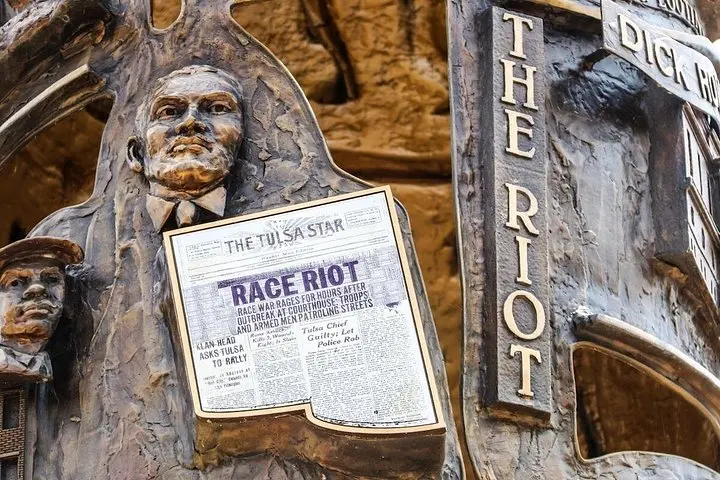
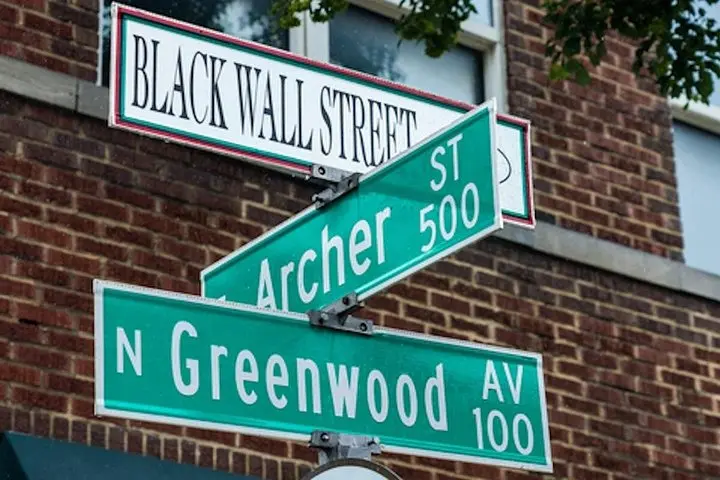
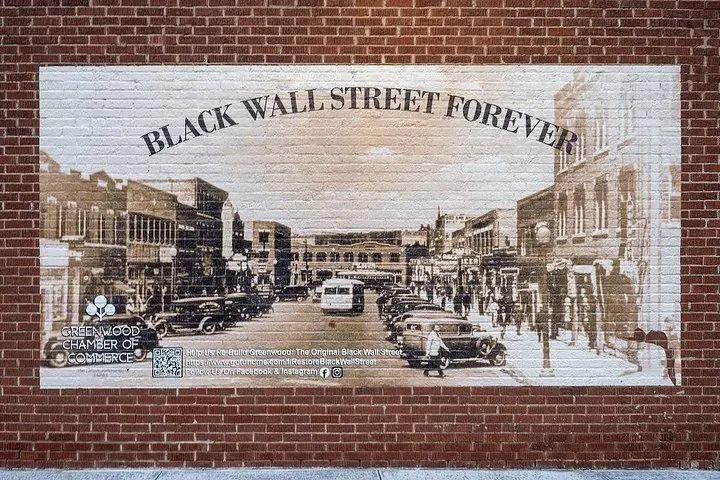
Greenwood rose on the edge of the Arkansas River floodplain, carved by commerce and segregation into a concentrated pocket of Black enterprise that became known as Black Wall Street. In May 1921, a white mob destroyed homes and businesses here; the physical rebuild that followed and the recent creation of Greenwood Rising and the Greenwood Cultural Center trace both loss and resilience.
The tour uses GPS-triggered narration, so you’ll hear archival detail exactly where things happened: the marketplace sites, community institutions, and later memorials. Expect city sidewalks, periodic construction, and active businesses; this is an urban walk rich in cultural context rather than wilderness.
Practical guidance: download the WalknTours app and enter code riot2780 to unlock the tour. Start at 302–322 N Elgin Ave and allow 60–90 minutes to move at a reflective pace. Comfortable shoes, water, and respect for memorial spaces will make the experience smoother. The route is wheelchair accessible, but some historic curb cuts and busy intersections require attention. Take time afterwards at Greenwood Rising or local cafes to continue learning and supporting neighborhood recovery efforts.
Go to John Hope Franklin Reconciliation Park at 302–322 N Elgin Ave, open the WalknTours app, select the Tulsa Black Wall Street tour and enter code riot2780 to unlock it.
Yes—the tour is designed to be wheelchair accessible, though some curb ramps and intersections can be uneven; plan for slightly longer crossing times.
Plan 60–90 minutes to complete the guided stops at a reflective pace; if you visit Greenwood Rising or museums, add additional time.
The app can run any time, but many memorials and museum exteriors are best experienced during daylight for safety and interpretive signage visibility.
WalknTours operates guided outdoor trips and adventures with an emphasis on safety, stewardship, and memorable experiences.
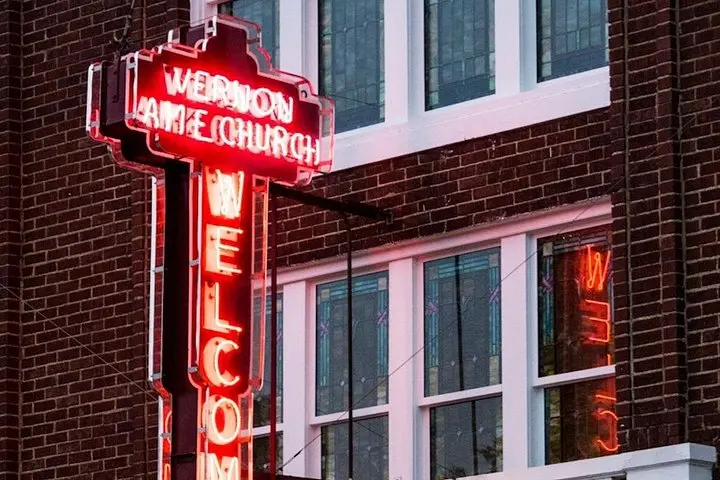
You step out of the shade of elm-lined Elgin Avenue and into a stretch of Tulsa where history presses close. The John Hope Franklin Reconciliation Park opens the story with bronze plaques and quiet benches; as you follow the route down Greenwood Avenue the pavement itself feels like a timeline—storefronts, marker posts, and the lone surviving Vernon AME Church anchoring memory to place.
You step out of the shade of elm-lined Elgin Avenue and into a stretch of Tulsa where history presses close. The John Hope Franklin Reconciliation Park opens the story with bronze plaques and quiet benches; as you follow the route down Greenwood Avenue the pavement itself feels like a timeline—storefronts, marker posts, and the lone surviving Vernon AME Church anchoring memory to place.
Greenwood rose on the edge of the Arkansas River floodplain, carved by commerce and segregation into a concentrated pocket of Black enterprise that became known as Black Wall Street. In May 1921, a white mob destroyed homes and businesses here; the physical rebuild that followed and the recent creation of Greenwood Rising and the Greenwood Cultural Center trace both loss and resilience.
The tour uses GPS-triggered narration, so you’ll hear archival detail exactly where things happened: the marketplace sites, community institutions, and later memorials. Expect city sidewalks, periodic construction, and active businesses; this is an urban walk rich in cultural context rather than wilderness.
Practical guidance: download the WalknTours app and enter code riot2780 to unlock the tour. Start at 302–322 N Elgin Ave and allow 60–90 minutes to move at a reflective pace. Comfortable shoes, water, and respect for memorial spaces will make the experience smoother. The route is wheelchair accessible, but some historic curb cuts and busy intersections require attention. Take time afterwards at Greenwood Rising or local cafes to continue learning and supporting neighborhood recovery efforts.