THE ADVENTURE COLLECTIVE® · Independent discovery and booking for outdoor travel

Discover two of Tunisia’s richest Roman sites at your own pace on this self-guided day trip from Hammamet. Wander frescoed underground houses in Bulla Regia and climb Dougga’s theater ridge for sweeping views — all with a digital guide and private transfer.
Discover two of Tunisia’s richest Roman sites at your own pace on this self-guided day trip from Hammamet. Wander frescoed underground houses in Bulla Regia and climb Dougga’s theater ridge for sweeping views — all with a digital guide and private transfer.
You step out of the air-conditioned transfer into a wind that reads the carved stones like an open book — warm air pushing across sun-baked forums and cool breaths pooling in underground courtyards. The first stop, Bulla Regia, feels like a city folded inward: cobbled streets above and frescoed houses below, where painted ceilings still hold the silhouettes of domestic life.
Verified experiences and guided adventures in the surrounding area.
Operated by taximami · Hammamet, Nabeul Governorate
You step out of the air-conditioned transfer into a wind that reads the carved stones like an open book — warm air pushing across sun-baked forums and cool breaths pooling in underground courtyards. The first stop, Bulla Regia, feels like a city folded inward: cobbled streets above and frescoed houses below, where painted ceilings still hold the silhouettes of domestic life.
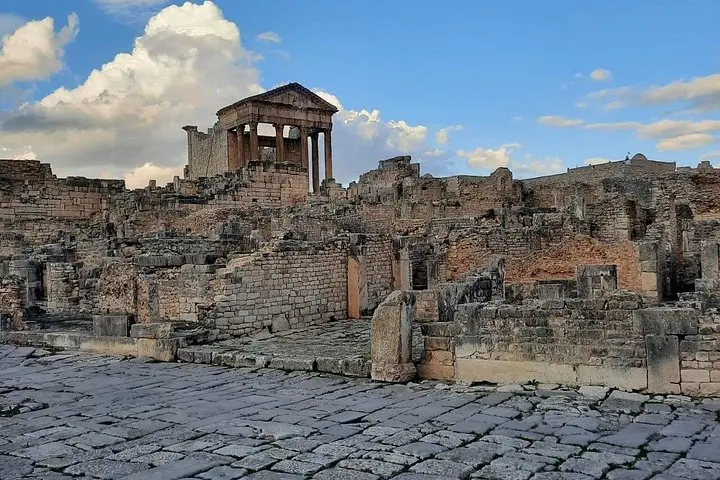
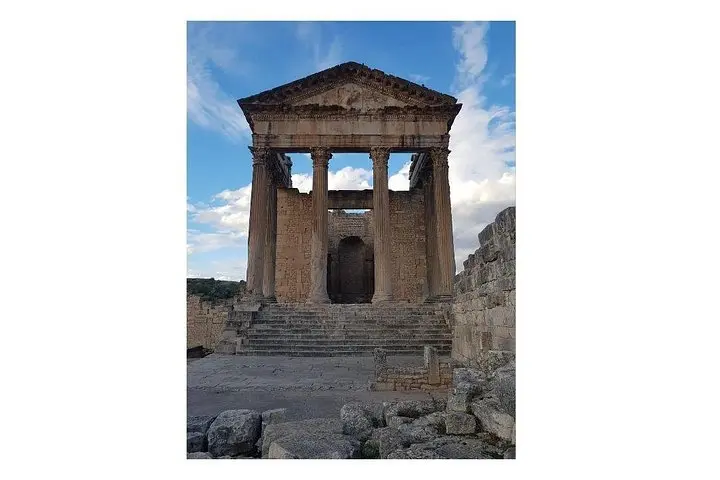
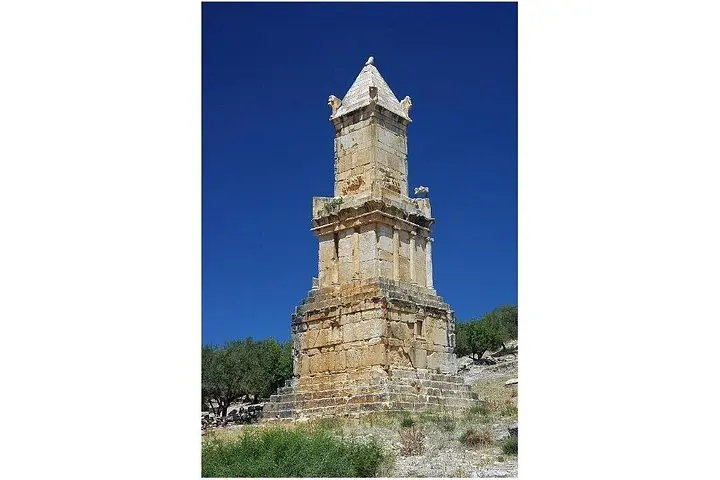
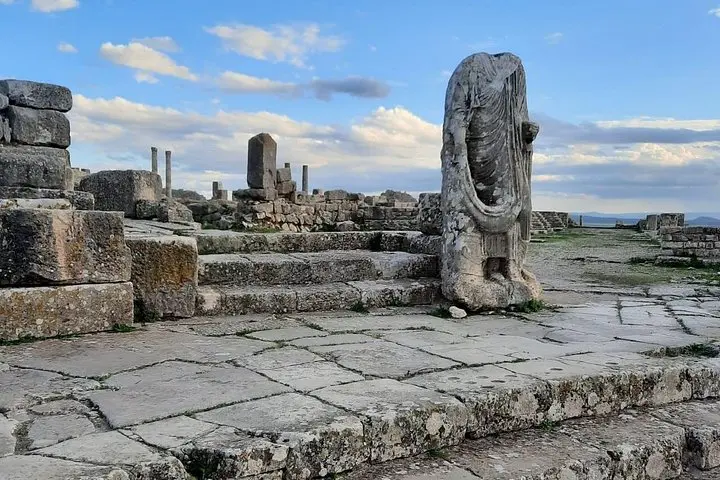
Both sites sit on limestone terraces shaped by Tunisia’s long geological history; the rock keeps heat and drains quickly, creating sharp, exposed surfaces around the ruins. Dougga rises on a ridge with a theater and temples arranged around a Forum that once organized civic life; its terraces reward the climber with sweeping views of olive groves and distant hills. These are Roman places with North African layers — Punic foundations, Roman civic planning, and centuries of local life creating a cultural palimpsest.
Practical guidance: the trip is a full day (about eight hours including drives). Bring a refillable water bottle and plan for significant walking on uneven stone and gravel; sites are largely open-air with limited shade. Entrance fees are typically paid onsite — carry euros or Tunisian dinar and a credit card where accepted. The self-guided digital itinerary provides context and suggested routes; use offline maps and phone power banks where signal is intermittent.
Timing matters: arrive early at each site to avoid heat and crowds, respect fenced-off mosaics, and wear sturdy shoes. The reward is clear — quiet columns, frescoed rooms that still speak, and ridge-top views that make the stones feel alive under your steps.
No — entrance is typically paid onsite at each archaeological park; bring cash (Tunisian dinar or euros) and check for card acceptance.
Total time is about 8 hours including drives; expect several kilometers of walking at each site across uneven and stepped terrain.
Children can enjoy the sites with supervision, but the tour is not ideal for travelers with significant mobility limitations due to stairs, uneven surfaces, and limited accessibility features.
This product is self-guided with a detailed digital itinerary; local guides can be arranged separately if you prefer a guided experience.
taximami operates guided outdoor trips and adventures with an emphasis on safety, stewardship, and memorable experiences.
You step out of the air-conditioned transfer into a wind that reads the carved stones like an open book — warm air pushing across sun-baked forums and cool breaths pooling in underground courtyards. The first stop, Bulla Regia, feels like a city folded inward: cobbled streets above and frescoed houses below, where painted ceilings still hold the silhouettes of domestic life.
You step out of the air-conditioned transfer into a wind that reads the carved stones like an open book — warm air pushing across sun-baked forums and cool breaths pooling in underground courtyards. The first stop, Bulla Regia, feels like a city folded inward: cobbled streets above and frescoed houses below, where painted ceilings still hold the silhouettes of domestic life.
Both sites sit on limestone terraces shaped by Tunisia’s long geological history; the rock keeps heat and drains quickly, creating sharp, exposed surfaces around the ruins. Dougga rises on a ridge with a theater and temples arranged around a Forum that once organized civic life; its terraces reward the climber with sweeping views of olive groves and distant hills. These are Roman places with North African layers — Punic foundations, Roman civic planning, and centuries of local life creating a cultural palimpsest.
Practical guidance: the trip is a full day (about eight hours including drives). Bring a refillable water bottle and plan for significant walking on uneven stone and gravel; sites are largely open-air with limited shade. Entrance fees are typically paid onsite — carry euros or Tunisian dinar and a credit card where accepted. The self-guided digital itinerary provides context and suggested routes; use offline maps and phone power banks where signal is intermittent.
Timing matters: arrive early at each site to avoid heat and crowds, respect fenced-off mosaics, and wear sturdy shoes. The reward is clear — quiet columns, frescoed rooms that still speak, and ridge-top views that make the stones feel alive under your steps.