THE ADVENTURE COLLECTIVE® · Independent discovery and booking for outdoor travel

Drive through oak-studded foothills while a GPS-triggered audio guide narrates the history, geology, and people behind Calaveras County wines. This self-paced tour pairs boutique tasting rooms with the freedom to linger where the flavors compel you.
Drive through oak-studded foothills while a GPS-triggered audio guide narrates the history, geology, and people behind Calaveras County wines. This self-paced tour pairs boutique tasting rooms with the freedom to linger where the flavors compel you.
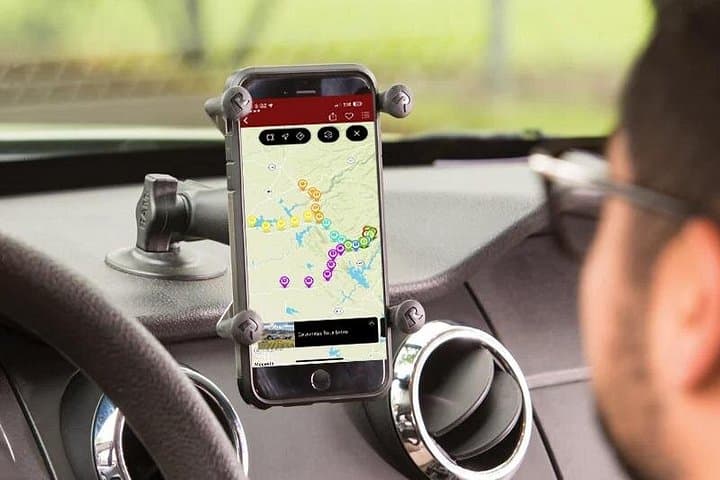
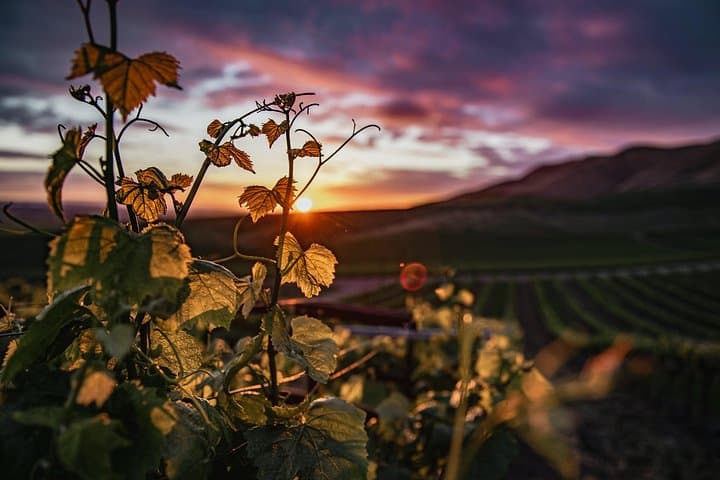
You pull off Highway 4 and the road opens into oak-dotted hills; the air carries distant fermenting sugar and the low hum of bees. The Taste Wine Guides app cues a narrator the moment your GPS hits the first vineyard, and the valley’s stories begin — miners who planted grapes after the Gold Rush, winemakers who adapted Rhône varieties to granite soils, and backroads that line up like tasting notes.
Verified experiences and guided adventures in the surrounding area.
Operated by Taste Wine Guides - Amador County · Murphys, California
You pull off Highway 4 and the road opens into oak-dotted hills; the air carries distant fermenting sugar and the low hum of bees. The Taste Wine Guides app cues a narrator the moment your GPS hits the first vineyard, and the valley’s stories begin — miners who planted grapes after the Gold Rush, winemakers who adapted Rhône varieties to granite soils, and backroads that line up like tasting notes.
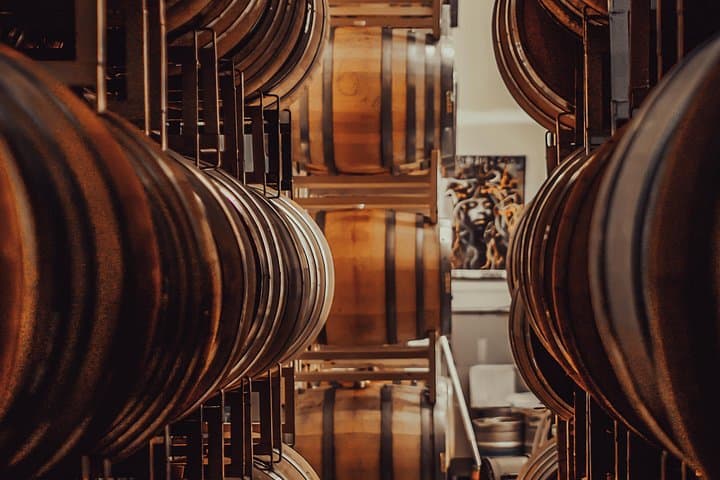
Calaveras County sits on the Sierra Nevada’s western foothills where weathered volcanic rock and alluvial soils give wines structure and spice. Towns such as Murphys grew from 19th-century prospecting camps into wine-friendly hubs with tasting rooms, artisanal food, and weekly farmers markets. Local culture favors small-production boutique vineyards — Zinfandel, Barbera, and Rhône blends perform well here — and many producers are family-run with hands-on cellar work.
Practically, this tour is about timing and pacing. Download the Taste Wine Guides app, enter your code, and let GPS trigger each stop; the audio is designed to enhance, not replace, conversations with winemakers. Expect driving on two-lane rural roads, short walks through vineyards or gravel lots, and variable phone signal in deeper canyons.
Plan for tastings by calling ahead if you need a hosted experience, designate a non-tasting driver or book a local driver for multi-winery days, and bring layers for cool mornings and warm afternoons. Hydrate between pours and pack a small cooler for purchases. The result is a cinematic, self-paced tasting that lets you linger where the wine — and the view — demand you stay.
The app uses GPS to detect when you approach a mapped stop and plays narration automatically; test location settings and Bluetooth before you go.
Tasting fees and any purchases at wineries are typically separate; some partners may offer perks—ask the winery on arrival.
Many boutique wineries recommend or require reservations for seated or group tastings; call ahead for specific policies.
Accessibility varies by winery; the tour notes indicate general accessibility but contact individual tasting rooms for details.
Taste Wine Guides - Amador County operates guided outdoor trips and adventures with an emphasis on safety, stewardship, and memorable experiences.

You pull off Highway 4 and the road opens into oak-dotted hills; the air carries distant fermenting sugar and the low hum of bees. The Taste Wine Guides app cues a narrator the moment your GPS hits the first vineyard, and the valley’s stories begin — miners who planted grapes after the Gold Rush, winemakers who adapted Rhône varieties to granite soils, and backroads that line up like tasting notes.
You pull off Highway 4 and the road opens into oak-dotted hills; the air carries distant fermenting sugar and the low hum of bees. The Taste Wine Guides app cues a narrator the moment your GPS hits the first vineyard, and the valley’s stories begin — miners who planted grapes after the Gold Rush, winemakers who adapted Rhône varieties to granite soils, and backroads that line up like tasting notes.
Calaveras County sits on the Sierra Nevada’s western foothills where weathered volcanic rock and alluvial soils give wines structure and spice. Towns such as Murphys grew from 19th-century prospecting camps into wine-friendly hubs with tasting rooms, artisanal food, and weekly farmers markets. Local culture favors small-production boutique vineyards — Zinfandel, Barbera, and Rhône blends perform well here — and many producers are family-run with hands-on cellar work.
Practically, this tour is about timing and pacing. Download the Taste Wine Guides app, enter your code, and let GPS trigger each stop; the audio is designed to enhance, not replace, conversations with winemakers. Expect driving on two-lane rural roads, short walks through vineyards or gravel lots, and variable phone signal in deeper canyons.
Plan for tastings by calling ahead if you need a hosted experience, designate a non-tasting driver or book a local driver for multi-winery days, and bring layers for cool mornings and warm afternoons. Hydrate between pours and pack a small cooler for purchases. The result is a cinematic, self-paced tasting that lets you linger where the wine — and the view — demand you stay.