THE ADVENTURE COLLECTIVE® · Independent discovery and booking for outdoor travel
Walk Cluny at your own pace with a GPS-triggered audio tour that guides you from Le Prado parking through abbey ruins, quiet squares, and medieval facades. Download ahead and bring headphones for a flexible, family-friendly exploration of one of Burgundy’s most historically significant villages.
Walk Cluny at your own pace with a GPS-triggered audio tour that guides you from Le Prado parking through abbey ruins, quiet squares, and medieval facades. Download ahead and bring headphones for a flexible, family-friendly exploration of one of Burgundy’s most historically significant villages.
You step off the main road into a small square where the stone still carries the echo of pilgrims. The walk pushes you into narrow alleys lined with carved lintels and the hulking profile of Cluny Abbey looming as a reminder that this village once shaped medieval Europe.
Verified experiences and guided adventures in the surrounding area.
Operated by VoiceMap Audio Tours · Cluny, Saône-et-Loire
You step off the main road into a small square where the stone still carries the echo of pilgrims. The walk pushes you into narrow alleys lined with carved lintels and the hulking profile of Cluny Abbey looming as a reminder that this village once shaped medieval Europe.
Founded in 909 as the seat of the Cluniac reform, Cluny grew from a few dwellings around an abbey into a spiritual capital whose Romanesque architecture influenced churches across the continent. The town sits on low Burgundy limestone outcrops above the Saône plain; underfoot are cobbles and worn flagstones that hold centuries of weather and foot traffic. Local life pairs wine-country calm with small-market energy—bakeries, a Saturday market, and quiet courtyards where residents sip coffee by the abbey walls.
This self-guided audio tour uses GPS-triggered narration to point out façade details, monastic history, and the stories of former inhabitants as you move from Le Prado parking toward the abbey, cloister remains, and hidden civic squares. It’s designed to be flexible: start, pause, and linger at a café or chapel without losing context.
Practical guidance: download the tour on the VoiceMap app before you arrive, bring headphones and a charged phone, and wear shoes suited to uneven cobbles and occasional stairs. Mornings are coolest and least crowded; mid-afternoon brings light that flatters stonework for photos. The route is family-friendly and stroller-accessible on main streets, but expect narrow passages and short flights of steps near heritage sites.
This is a low-impact way to explore Cluny—move respectfully around fragile masonry, and carry out any waste to help preserve the village for other visitors.
The tour begins at Le Prado parking beside the tourist information office; the VoiceMap app shows directions and activates the start button when you arrive.
Yes—download the tour in the VoiceMap app before you set off to ensure audio, maps, and geodata are available offline.
Main streets are stroller-accessible and the tour is suitable for families, but expect occasional narrow alleys and short steps near heritage sites.
The tour is narrated in the language provided on purchase; the code can be used by every member of your party to download the same tour.
VoiceMap Audio Tours operates guided outdoor trips and adventures with an emphasis on safety, stewardship, and memorable experiences.
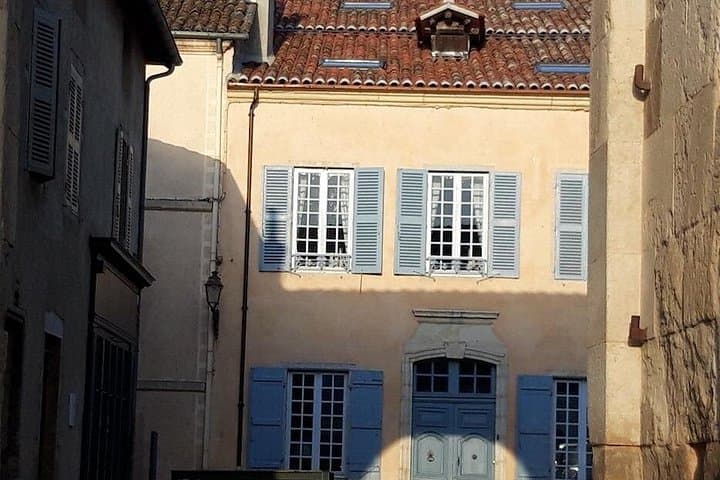
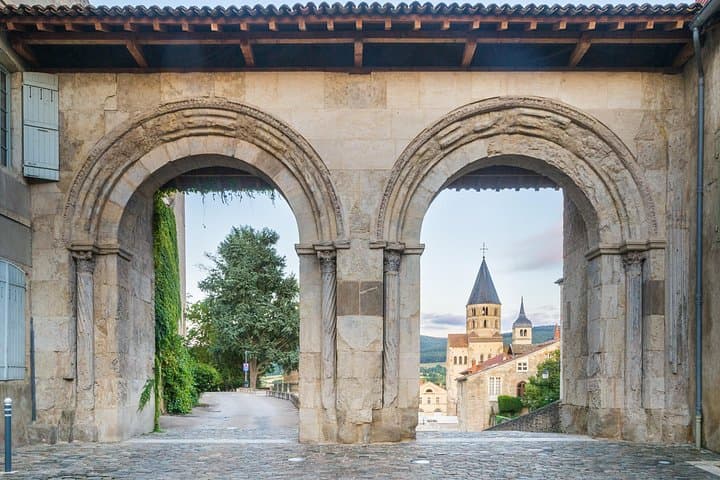
You step off the main road into a small square where the stone still carries the echo of pilgrims. The walk pushes you into narrow alleys lined with carved lintels and the hulking profile of Cluny Abbey looming as a reminder that this village once shaped medieval Europe.
You step off the main road into a small square where the stone still carries the echo of pilgrims. The walk pushes you into narrow alleys lined with carved lintels and the hulking profile of Cluny Abbey looming as a reminder that this village once shaped medieval Europe.
Founded in 909 as the seat of the Cluniac reform, Cluny grew from a few dwellings around an abbey into a spiritual capital whose Romanesque architecture influenced churches across the continent. The town sits on low Burgundy limestone outcrops above the Saône plain; underfoot are cobbles and worn flagstones that hold centuries of weather and foot traffic. Local life pairs wine-country calm with small-market energy—bakeries, a Saturday market, and quiet courtyards where residents sip coffee by the abbey walls.
This self-guided audio tour uses GPS-triggered narration to point out façade details, monastic history, and the stories of former inhabitants as you move from Le Prado parking toward the abbey, cloister remains, and hidden civic squares. It’s designed to be flexible: start, pause, and linger at a café or chapel without losing context.
Practical guidance: download the tour on the VoiceMap app before you arrive, bring headphones and a charged phone, and wear shoes suited to uneven cobbles and occasional stairs. Mornings are coolest and least crowded; mid-afternoon brings light that flatters stonework for photos. The route is family-friendly and stroller-accessible on main streets, but expect narrow passages and short flights of steps near heritage sites.
This is a low-impact way to explore Cluny—move respectfully around fragile masonry, and carry out any waste to help preserve the village for other visitors.
