THE ADVENTURE COLLECTIVE® · Independent discovery and booking for outdoor travel

Taste your way through Amsterdam’s De Pijp on a three-hour self-guided walk that links Albert Cuyp Market, Sarphatipark and Marie Heinekenplein. This route pairs lively market stalls with neighborhood cafés and practical tips for navigating the district.
Taste your way through Amsterdam’s De Pijp on a three-hour self-guided walk that links Albert Cuyp Market, Sarphatipark and Marie Heinekenplein. This route pairs lively market stalls with neighborhood cafés and practical tips for navigating the district.
You step off a tram into a corridor of voices, sizzling pans and bicycle bells—Albert Cuyp Market unfurls to your left, stalls stacked with stroopwafels, herring stands and pungent cheeses. The map in your hand points to OTEMBA, where the route packet and stamp card set the pace: a deliberate stroll through De Pijp’s market lanes, a leafy detour through Sarphatipark, and a finish at the lively Marie Heinekenplein.
Verified experiences and guided adventures in the surrounding area.
Operated by 360 Amsterdam Tours · Amsterdam, Noord-Holland
You step off a tram into a corridor of voices, sizzling pans and bicycle bells—Albert Cuyp Market unfurls to your left, stalls stacked with stroopwafels, herring stands and pungent cheeses. The map in your hand points to OTEMBA, where the route packet and stamp card set the pace: a deliberate stroll through De Pijp’s market lanes, a leafy detour through Sarphatipark, and a finish at the lively Marie Heinekenplein.
De Pijp grew rapidly in the late 19th century as Amsterdam expanded southward; the market that anchors it has traded wares since 1905 and the park bears the name of reformer Samuel Sarphati. The neighborhood’s streets reflect waves of immigration and small-scale entrepreneurship—Turkish bakeries beside Dutch brown cafés and specialty cheese shops along Van Woustraat. Geologically there’s nothing dramatic here: flat, reclaimed polder land with canal-lined streets and compact blocks that reward slow exploration.
Expect a 3‑hour outing with roughly 2–4 miles (3–6 km) of walking on paved city streets and market alleys; elevation gain is negligible. The experience is sensory—textures of warm waffles, the salt of herring, the hum of locals—and practical: the self-guided format hands you control, but also responsibility for timing and transit. Bring local payment options, comfortable shoes for standing at stalls, and a light layer for Dutch spring or autumn rain.
Plan to travel by public transport to save time, arrive early to avoid crowds at the market, and leave a slot after the tour to relax on Marie Heinekenplein or continue sampling the cafés nearby.
Yes—you receive a route packet with directions and a stamp card; there is no live guide, so you control timing and pace.
The product lists snacks/food as inclusions—expect sample-sized tastings at designated stops; confirm specifics before booking.
About 2–4 miles (3–6 km) over paved city streets and market alleys with minimal elevation—suitable for most people who can walk for three hours with breaks.
Yes, but contact vendors or the tour operator ahead of time to request alternatives; many stops can accommodate vegetarian or allergy needs if notified.
360 Amsterdam Tours operates guided outdoor trips and adventures with an emphasis on safety, stewardship, and memorable experiences.
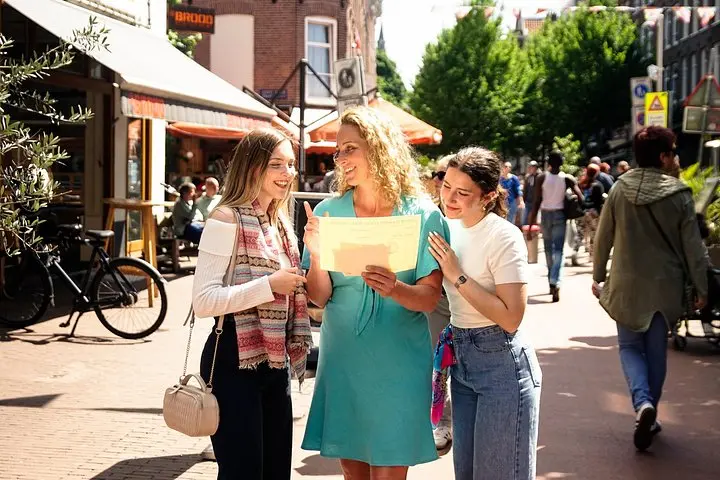
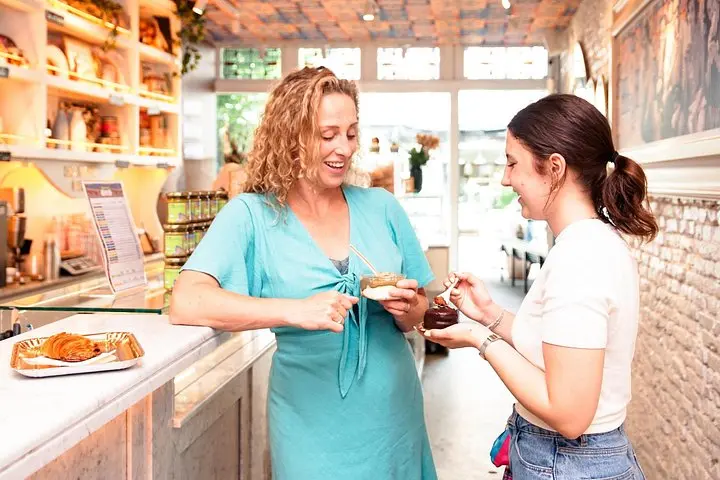
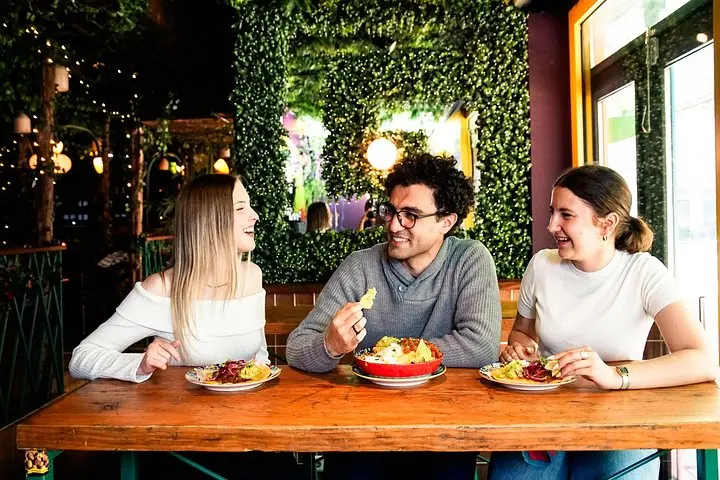
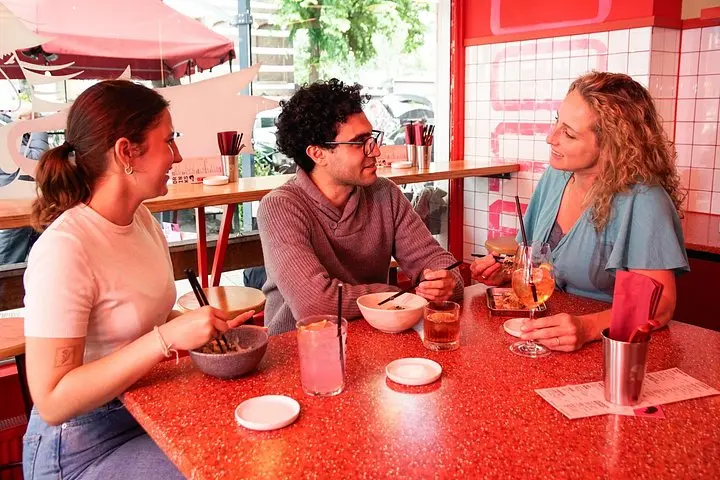
You step off a tram into a corridor of voices, sizzling pans and bicycle bells—Albert Cuyp Market unfurls to your left, stalls stacked with stroopwafels, herring stands and pungent cheeses. The map in your hand points to OTEMBA, where the route packet and stamp card set the pace: a deliberate stroll through De Pijp’s market lanes, a leafy detour through Sarphatipark, and a finish at the lively Marie Heinekenplein.
You step off a tram into a corridor of voices, sizzling pans and bicycle bells—Albert Cuyp Market unfurls to your left, stalls stacked with stroopwafels, herring stands and pungent cheeses. The map in your hand points to OTEMBA, where the route packet and stamp card set the pace: a deliberate stroll through De Pijp’s market lanes, a leafy detour through Sarphatipark, and a finish at the lively Marie Heinekenplein.
De Pijp grew rapidly in the late 19th century as Amsterdam expanded southward; the market that anchors it has traded wares since 1905 and the park bears the name of reformer Samuel Sarphati. The neighborhood’s streets reflect waves of immigration and small-scale entrepreneurship—Turkish bakeries beside Dutch brown cafés and specialty cheese shops along Van Woustraat. Geologically there’s nothing dramatic here: flat, reclaimed polder land with canal-lined streets and compact blocks that reward slow exploration.
Expect a 3‑hour outing with roughly 2–4 miles (3–6 km) of walking on paved city streets and market alleys; elevation gain is negligible. The experience is sensory—textures of warm waffles, the salt of herring, the hum of locals—and practical: the self-guided format hands you control, but also responsibility for timing and transit. Bring local payment options, comfortable shoes for standing at stalls, and a light layer for Dutch spring or autumn rain.
Plan to travel by public transport to save time, arrive early to avoid crowds at the market, and leave a slot after the tour to relax on Marie Heinekenplein or continue sampling the cafés nearby.