THE ADVENTURE COLLECTIVE® · Independent discovery and booking for outdoor travel
Turn Groningen’s medieval streets into a playable mystery. This self-guided Syndicate City Game uses your phone to deliver puzzles, photo tasks and local lore across a two-hour urban route.
Turn Groningen’s medieval streets into a playable mystery. This self-guided Syndicate City Game uses your phone to deliver puzzles, photo tasks and local lore across a two-hour urban route.
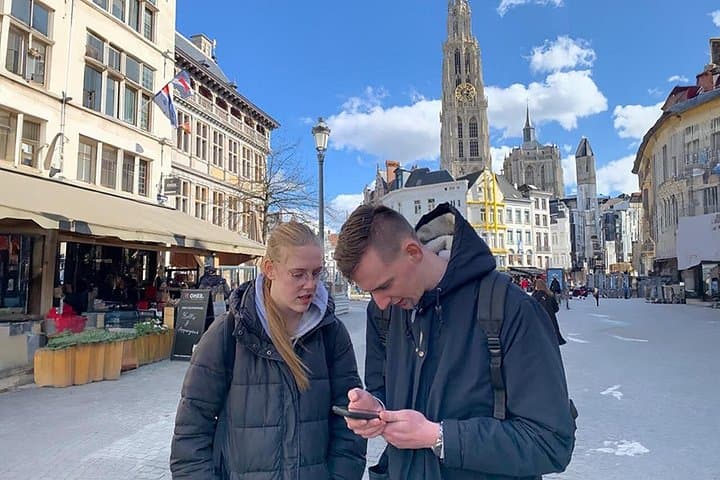
A narrow canal glints as the first clue is revealed on your phone; cobbled alleys and red-brick façades become a live stage as your group steps into character. The Syndicate City Game turns Groningen’s compact city center into a playable map — you walk, inspect, photograph, and solve while the clock quietly ticks.
Verified experiences and guided adventures in the surrounding area.
Operated by City Game · Groningen, Groningen
A narrow canal glints as the first clue is revealed on your phone; cobbled alleys and red-brick façades become a live stage as your group steps into character. The Syndicate City Game turns Groningen’s compact city center into a playable map — you walk, inspect, photograph, and solve while the clock quietly ticks.
Groningen’s streets reflect its Hanseatic past and a lively student culture centered around the University of Groningen (est. 1614). The route threads past medieval lanes, 19th-century brickwork and parkland that hint at the city’s slow, watery geology — canals that cut through clay and peat. Local cafés hum with conversation; street art and independent shops in Folkingestraat offer cultural punctuation between puzzles.
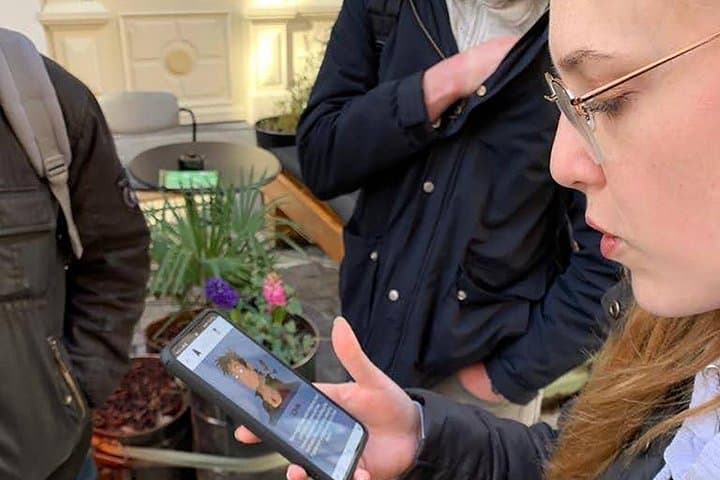
The experience is part detective-story, part walking tour: expect photo tasks, logic riddles and place-based trivia that push you to read plaques, count architectural details and move between squares. The game is self-guided and mobile-based, so timing and pace are yours — pause, regroup and resume where convenient.
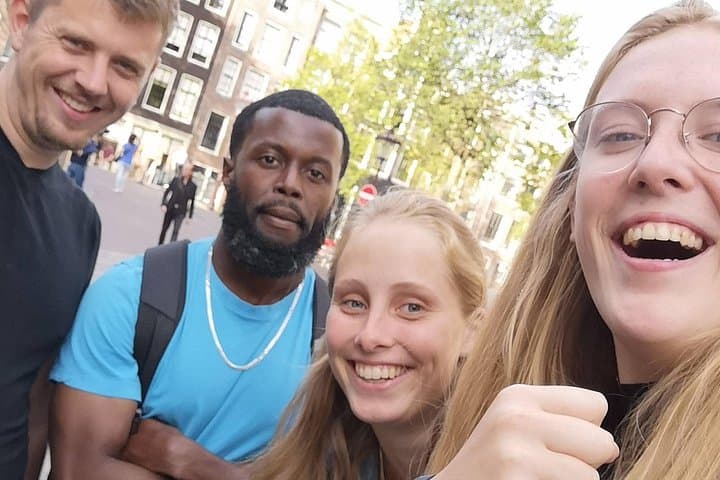
Practicalities: bring a charged smartphone with the Loquiz app, plan for about two hours of mostly flat urban walking (expect 2–4 km), and choose a start time to avoid market crowds if you prefer quieter streets. Teams work best with 2–5 players per ticket; groups can split into competing teams to raise the stakes. The game rewards observational skills more than fitness, so comfortable shoes, a backup battery and an eye for detail will make the difference between an ordinary stroll and a memorable urban hunt.
One ticket covers a single device used by 2–5 people; for groups larger than five, buy additional tickets to split into teams.
You choose a date and time when booking, but the game is self-guided — you may start at any time on that date and pause/resume as needed.
Yes, the written guide and tasks are available in English and Dutch; select your language when you receive the booking email.
Much of the city center is flat, but cobblestones and occasional steps may limit accessibility in places; contact the operator for detailed accessibility needs.
City Game operates guided outdoor trips and adventures with an emphasis on safety, stewardship, and memorable experiences.

A narrow canal glints as the first clue is revealed on your phone; cobbled alleys and red-brick façades become a live stage as your group steps into character. The Syndicate City Game turns Groningen’s compact city center into a playable map — you walk, inspect, photograph, and solve while the clock quietly ticks.
A narrow canal glints as the first clue is revealed on your phone; cobbled alleys and red-brick façades become a live stage as your group steps into character. The Syndicate City Game turns Groningen’s compact city center into a playable map — you walk, inspect, photograph, and solve while the clock quietly ticks.
Groningen’s streets reflect its Hanseatic past and a lively student culture centered around the University of Groningen (est. 1614). The route threads past medieval lanes, 19th-century brickwork and parkland that hint at the city’s slow, watery geology — canals that cut through clay and peat. Local cafés hum with conversation; street art and independent shops in Folkingestraat offer cultural punctuation between puzzles.
The experience is part detective-story, part walking tour: expect photo tasks, logic riddles and place-based trivia that push you to read plaques, count architectural details and move between squares. The game is self-guided and mobile-based, so timing and pace are yours — pause, regroup and resume where convenient.
Practicalities: bring a charged smartphone with the Loquiz app, plan for about two hours of mostly flat urban walking (expect 2–4 km), and choose a start time to avoid market crowds if you prefer quieter streets. Teams work best with 2–5 players per ticket; groups can split into competing teams to raise the stakes. The game rewards observational skills more than fitness, so comfortable shoes, a backup battery and an eye for detail will make the difference between an ordinary stroll and a memorable urban hunt.
