THE ADVENTURE COLLECTIVE® · Independent discovery and booking for outdoor travel

Explore Hvar Island at your own pace on a self-guided e-bike route that links lavender fields, abandoned villages, and hilltop fortresses. This tour pairs easy electric assistance with authentic island roads and panoramic coastal views.
Explore Hvar Island at your own pace on a self-guided e-bike route that links lavender fields, abandoned villages, and hilltop fortresses. This tour pairs easy electric assistance with authentic island roads and panoramic coastal views.
Pedal hums beneath you and the Adriatic light sharpens every ridge as the island opens: stone lanes, low pines, and terraces that slope to the sea. On a self-guided e-bike tour of Hvar, cyclists trade crowded promenades for quiet backroads, arriving at abandoned villages and hilltop viewpoints with the ease that an electric motor provides.
Verified experiences and guided adventures in the surrounding area.
Operated by Outdoor Hvar · Hvar, Split-Dalmatia
Pedal hums beneath you and the Adriatic light sharpens every ridge as the island opens: stone lanes, low pines, and terraces that slope to the sea. On a self-guided e-bike tour of Hvar, cyclists trade crowded promenades for quiet backroads, arriving at abandoned villages and hilltop viewpoints with the ease that an electric motor provides.
Hvar’s coastline and interior tell a layered story. Greeks founded Pharos here in 384 BC; later Venetian and Napoleonic footprints show in stone forts and defensive walls. Geologically, the island is limestone and karst—rocky terraces hold centuries-old olive trees and the shallow soils where lavender thrives. Culturally, small hamlets like Velo and Malo Grablje still show pastoral rhythms: stone houses, narrow alleys, and seasonal lavender festivals in Brusje.
Expect paved and compact-gravel rural roads, short climbs that the e-bike will soften, and panoramic turns toward the Pakleni Islands. The route is best between spring and fall—summer brings lavender bloom and heat; spring offers green hills and fewer visitors.
Practicalities: bring a charged phone with the provided route, a spare battery or mid-ride charging plan for longer loops, and water—the island’s shade is intermittent. Helmets and high-quality e-bikes are usually included, but dress for wind and sudden coastal sun. Ride deliberately through villages to protect fragile stonework and respect private terraces; park where locals do.
A self-guided Hvar e-bike day gives you tempo and control: linger at a ruined chapel, ride hard for a fortress vista, then coast down to a cove. It’s island travel on your terms—efficient, scenic, and quietly rewarding.
Battery range varies with assist level and rider weight, but high-quality e-bikes usually provide 40–80 km per charge; plan for shorter loops if you intend many climbs or higher assist settings.
Yes—electric assistance and generally well-surfaced rural roads make it accessible, though beginners should choose shorter routes and a lower assist setting to conserve battery.
Most operators include helmets and a basic lock; confirm with your booking if a higher-quality lock or pannier is needed for longer stops.
Yes—the Fortica (often called the Spanish or Napoleon Fortress) above Hvar Town is a common stop offering panoramic views; it’s reachable via short climbs and winding streets.
Outdoor Hvar operates guided outdoor trips and adventures with an emphasis on safety, stewardship, and memorable experiences.

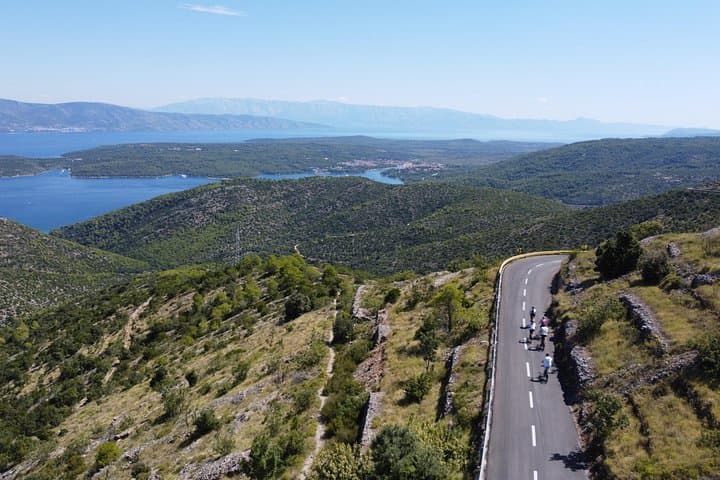

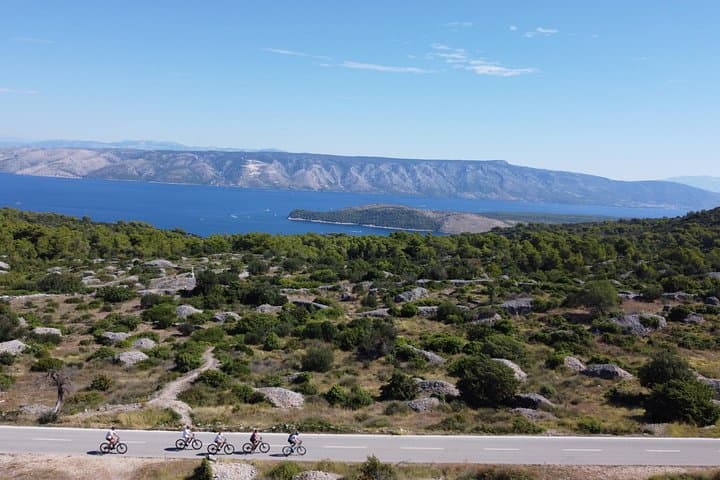
Pedal hums beneath you and the Adriatic light sharpens every ridge as the island opens: stone lanes, low pines, and terraces that slope to the sea. On a self-guided e-bike tour of Hvar, cyclists trade crowded promenades for quiet backroads, arriving at abandoned villages and hilltop viewpoints with the ease that an electric motor provides.
Pedal hums beneath you and the Adriatic light sharpens every ridge as the island opens: stone lanes, low pines, and terraces that slope to the sea. On a self-guided e-bike tour of Hvar, cyclists trade crowded promenades for quiet backroads, arriving at abandoned villages and hilltop viewpoints with the ease that an electric motor provides.
Hvar’s coastline and interior tell a layered story. Greeks founded Pharos here in 384 BC; later Venetian and Napoleonic footprints show in stone forts and defensive walls. Geologically, the island is limestone and karst—rocky terraces hold centuries-old olive trees and the shallow soils where lavender thrives. Culturally, small hamlets like Velo and Malo Grablje still show pastoral rhythms: stone houses, narrow alleys, and seasonal lavender festivals in Brusje.
Expect paved and compact-gravel rural roads, short climbs that the e-bike will soften, and panoramic turns toward the Pakleni Islands. The route is best between spring and fall—summer brings lavender bloom and heat; spring offers green hills and fewer visitors.
Practicalities: bring a charged phone with the provided route, a spare battery or mid-ride charging plan for longer loops, and water—the island’s shade is intermittent. Helmets and high-quality e-bikes are usually included, but dress for wind and sudden coastal sun. Ride deliberately through villages to protect fragile stonework and respect private terraces; park where locals do.
A self-guided Hvar e-bike day gives you tempo and control: linger at a ruined chapel, ride hard for a fortress vista, then coast down to a cove. It’s island travel on your terms—efficient, scenic, and quietly rewarding.