THE ADVENTURE COLLECTIVE® · Independent discovery and booking for outdoor travel

Launch minutes from the French Quarter for a self-guided paddle through Bayou Bienvenue’s cypress channels. Expect birds, turtles and docile alligators as the city skyline fades behind the trees.
Launch minutes from the French Quarter for a self-guided paddle through Bayou Bienvenue’s cypress channels. Expect birds, turtles and docile alligators as the city skyline fades behind the trees.
You push off from a low waterfront ramp and the city’s skyline recedes like a memory; the bayou accepts you with a slow, green hush. Cypress knees pierce glass-still water, and the current—when it wakes—nudges your sit-on-top kayak along narrow channels where herons quarter the shallows and turtles sun themselves on fallen logs.
Verified experiences and guided adventures in the surrounding area.
Operated by New Orleans Kayak Swamp Tours · New Orleans, Louisiana
You push off from a low waterfront ramp and the city’s skyline recedes like a memory; the bayou accepts you with a slow, green hush. Cypress knees pierce glass-still water, and the current—when it wakes—nudges your sit-on-top kayak along narrow channels where herons quarter the shallows and turtles sun themselves on fallen logs.
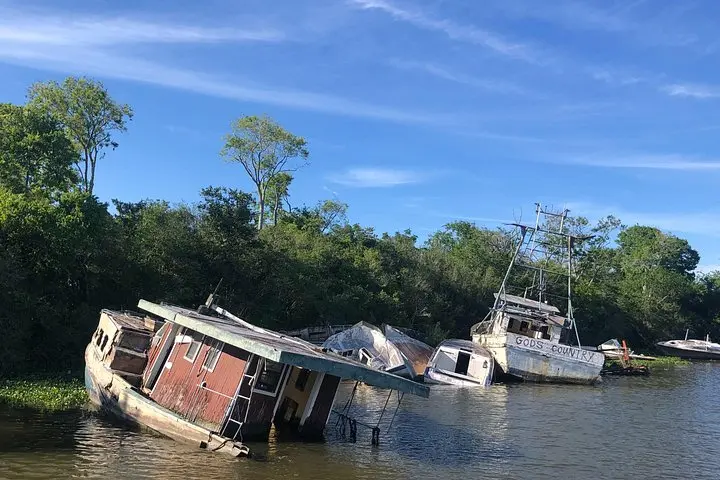
Bayou Bienvenue sits on the eastern edge of metropolitan New Orleans, part of a complex of wetlands shaped by Mississippi River sediments and tidal exchange. The landscape records human and natural history: indigenous hunting grounds, colonial-era drainage projects, and modern restoration efforts. Geology here is recent—marsh, peat, and alluvial deposits—and the slow work of water and vegetation defines every channel.
Culturally, the bayou lives beside neighborhoods of New Orleans East and the Lower Ninth Ward; paddling here is as much an urban escape as a nature trip. Wildlife is bold but habitual—alligators are typically docile if given room, birds are persistent, and the marsh plants seem to lean toward the light.
Practical guidance: plan 1–2 hours; midmorning or late afternoon light is best for wildlife viewing and photos. Wear quick-dry clothing and a secure life jacket (provided). Expect narrow, sometimes muddy channels—basic paddling skills suffice, and you’ll want dry bags for phones. Watch for submerged branches and be cautious around alligators: observe from a distance and never feed wildlife. Leave no trace and pack out any trash. If wind picks up, hug the lee of the banks. With simple prep, this self-guided paddle turns a few city minutes into a close-up of Louisiana’s swampy edge.
No—this is a self-guided sit-on-top kayak suitable for beginners; basic paddling and steering are enough for the 1–2 hour route.
Alligators are present but generally docile; always keep distance, do not feed them, and stay in your kayak to avoid provoking interactions.
The launch is a short drive from the French Quarter; public transit and rideshares are available—allow extra time for city traffic.
Tours are not automatically canceled for rain; high winds or severe storms make paddling unsafe—check local forecasts and postpone if conditions look dangerous.
New Orleans Kayak Swamp Tours operates guided outdoor trips and adventures with an emphasis on safety, stewardship, and memorable experiences.
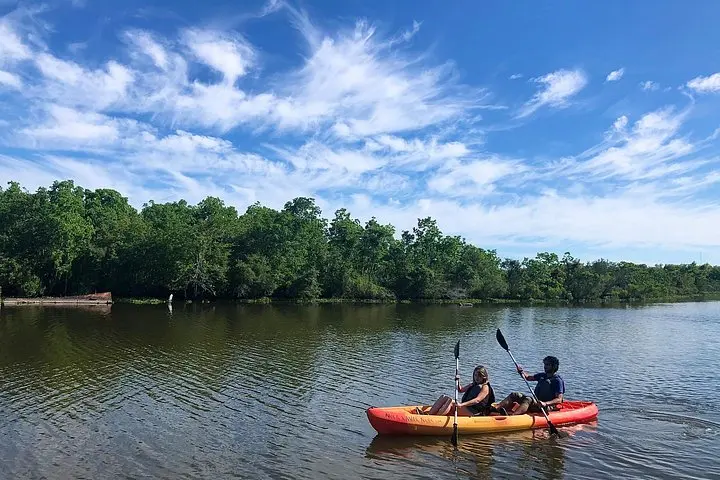
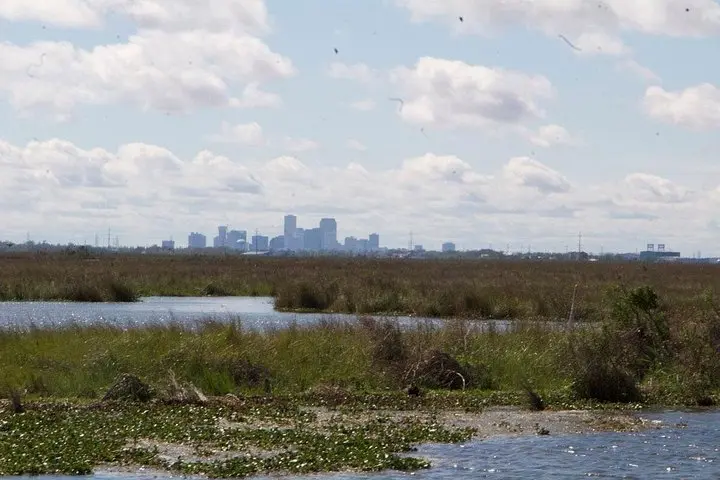
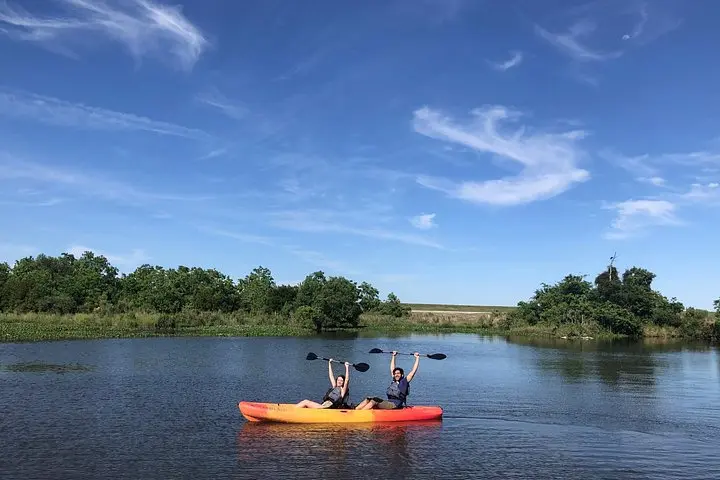
You push off from a low waterfront ramp and the city’s skyline recedes like a memory; the bayou accepts you with a slow, green hush. Cypress knees pierce glass-still water, and the current—when it wakes—nudges your sit-on-top kayak along narrow channels where herons quarter the shallows and turtles sun themselves on fallen logs.
You push off from a low waterfront ramp and the city’s skyline recedes like a memory; the bayou accepts you with a slow, green hush. Cypress knees pierce glass-still water, and the current—when it wakes—nudges your sit-on-top kayak along narrow channels where herons quarter the shallows and turtles sun themselves on fallen logs.
Bayou Bienvenue sits on the eastern edge of metropolitan New Orleans, part of a complex of wetlands shaped by Mississippi River sediments and tidal exchange. The landscape records human and natural history: indigenous hunting grounds, colonial-era drainage projects, and modern restoration efforts. Geology here is recent—marsh, peat, and alluvial deposits—and the slow work of water and vegetation defines every channel.
Culturally, the bayou lives beside neighborhoods of New Orleans East and the Lower Ninth Ward; paddling here is as much an urban escape as a nature trip. Wildlife is bold but habitual—alligators are typically docile if given room, birds are persistent, and the marsh plants seem to lean toward the light.
Practical guidance: plan 1–2 hours; midmorning or late afternoon light is best for wildlife viewing and photos. Wear quick-dry clothing and a secure life jacket (provided). Expect narrow, sometimes muddy channels—basic paddling skills suffice, and you’ll want dry bags for phones. Watch for submerged branches and be cautious around alligators: observe from a distance and never feed wildlife. Leave no trace and pack out any trash. If wind picks up, hug the lee of the banks. With simple prep, this self-guided paddle turns a few city minutes into a close-up of Louisiana’s swampy edge.