THE ADVENTURE COLLECTIVE® · Independent discovery and booking for outdoor travel

Wander Koprivshtitsa at your own pace with a downloadable e‑guide that maps Revival houses, museums, and mountain lanes. Expect cobbled streets, carved woodwork, and quiet memorials to Bulgaria’s 19th‑century history.
Wander Koprivshtitsa at your own pace with a downloadable e‑guide that maps Revival houses, museums, and mountain lanes. Expect cobbled streets, carved woodwork, and quiet memorials to Bulgaria’s 19th‑century history.
A morning light slices through beech and oak as you step off the lane into Koprivshtitsa — a 19th‑century Bulgarian Revival town where painted wooden houses stand like characters in a living history book. Streets are cobbled and narrow; every verandah and carved lintel has a story. The guide you load on your device points you to mansions with their original frescoes, small artisan workshops, and quiet memorials to the 1876 April Uprising.
Verified experiences and guided adventures in the surrounding area.
Operated by VisitBulgariaOn Bespoke Experiences · Koprivshtitsa, Pazardzhik Province
A morning light slices through beech and oak as you step off the lane into Koprivshtitsa — a 19th‑century Bulgarian Revival town where painted wooden houses stand like characters in a living history book. Streets are cobbled and narrow; every verandah and carved lintel has a story. The guide you load on your device points you to mansions with their original frescoes, small artisan workshops, and quiet memorials to the 1876 April Uprising.
Geologically, Koprivshtitsa sits on the northern spur of the Sredna Gora range, where weathered schist and limestone shape short ridgelines and steep gullies. The town’s layout reflects both practical mountain defenses and merchant wealth—homes built with stone foundations and elaborately decorated upper floors to catch breezes and views.
Culturally the town is compact but rich: museums housed in former merchant houses display traditional costumes, weaponry, and revolutionary artifacts; local cafes pour strong Bulgarian coffee and banitsa that keep you moving. There’s a tangible sense of place — the hills seem to push you onward, while the narrow streets invite slow inspection.
Practical guidance: plan 3–6 hours to follow the e‑guide at a relaxed pace. Wear grippy walking shoes for uneven cobbles, carry water and a charged phone for the guide, and download the map offline; some lanes have patchy signal. Visit early or late afternoon to avoid tour buses and to catch softer light on painted facades. Respect museum hours and private property — many attractions are small and run on seasonal schedules. With a little preparation, a self‑guided day here gives you cultural depth and mountain air in equal measure.
No — this product provides a personalized electronic guide so you can explore independently at your own pace.
Plan 3–6 hours depending on how many houses and museums you enter; the itinerary is flexible.
Many historic houses have stone foundations and steps; accessibility is limited — contact individual museums for specifics.
Most downloadable guides offer English; check the product details for additional language options before booking.
VisitBulgariaOn Bespoke Experiences operates guided outdoor trips and adventures with an emphasis on safety, stewardship, and memorable experiences.
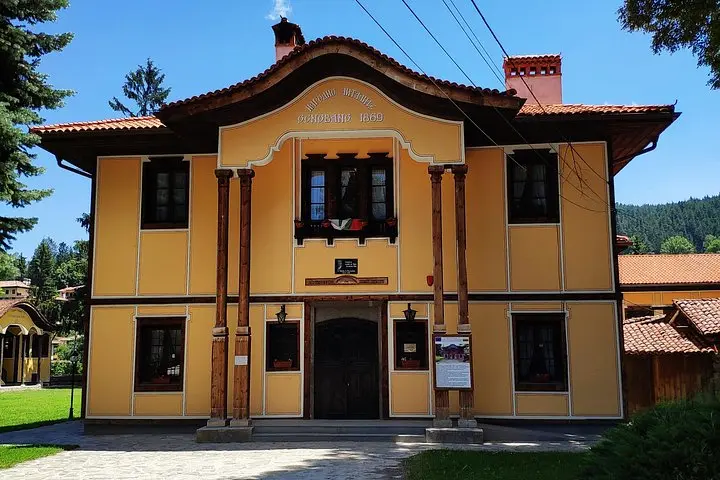
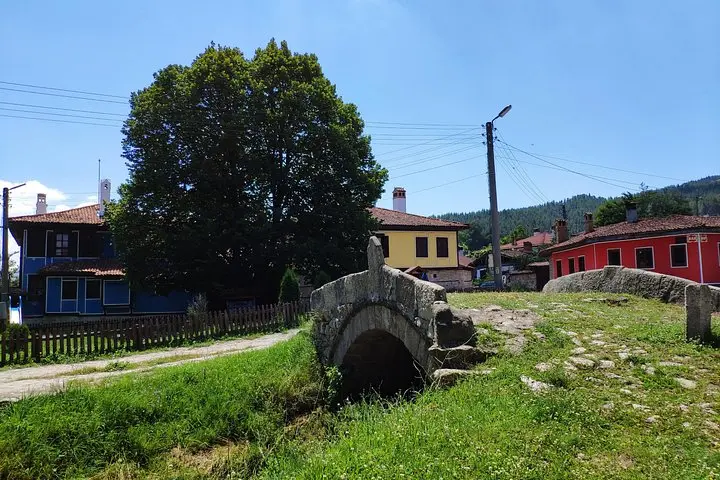
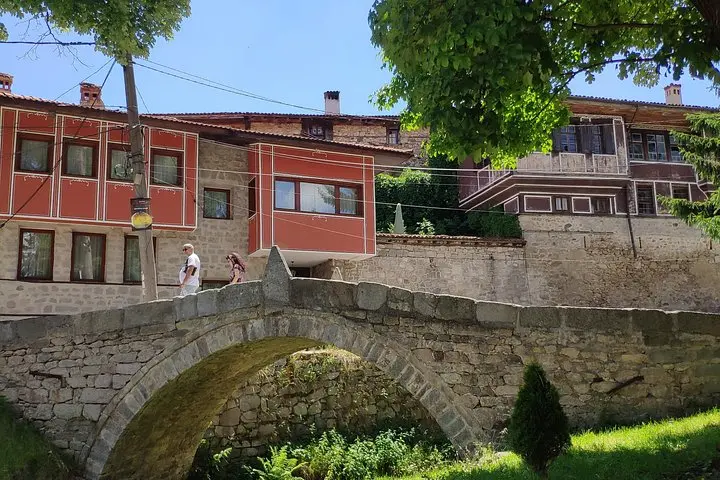
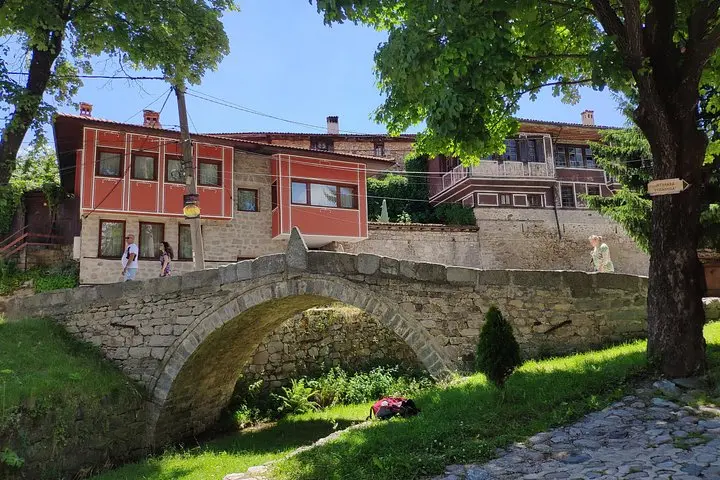
A morning light slices through beech and oak as you step off the lane into Koprivshtitsa — a 19th‑century Bulgarian Revival town where painted wooden houses stand like characters in a living history book. Streets are cobbled and narrow; every verandah and carved lintel has a story. The guide you load on your device points you to mansions with their original frescoes, small artisan workshops, and quiet memorials to the 1876 April Uprising.
A morning light slices through beech and oak as you step off the lane into Koprivshtitsa — a 19th‑century Bulgarian Revival town where painted wooden houses stand like characters in a living history book. Streets are cobbled and narrow; every verandah and carved lintel has a story. The guide you load on your device points you to mansions with their original frescoes, small artisan workshops, and quiet memorials to the 1876 April Uprising.
Geologically, Koprivshtitsa sits on the northern spur of the Sredna Gora range, where weathered schist and limestone shape short ridgelines and steep gullies. The town’s layout reflects both practical mountain defenses and merchant wealth—homes built with stone foundations and elaborately decorated upper floors to catch breezes and views.
Culturally the town is compact but rich: museums housed in former merchant houses display traditional costumes, weaponry, and revolutionary artifacts; local cafes pour strong Bulgarian coffee and banitsa that keep you moving. There’s a tangible sense of place — the hills seem to push you onward, while the narrow streets invite slow inspection.
Practical guidance: plan 3–6 hours to follow the e‑guide at a relaxed pace. Wear grippy walking shoes for uneven cobbles, carry water and a charged phone for the guide, and download the map offline; some lanes have patchy signal. Visit early or late afternoon to avoid tour buses and to catch softer light on painted facades. Respect museum hours and private property — many attractions are small and run on seasonal schedules. With a little preparation, a self‑guided day here gives you cultural depth and mountain air in equal measure.