THE ADVENTURE COLLECTIVE® · Independent discovery and booking for outdoor travel
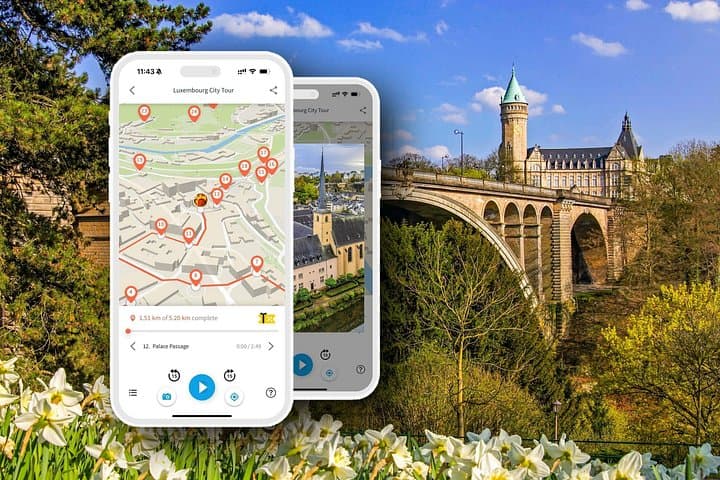
Move through Luxembourg City’s layered streets at your own pace with a smartphone audioguide that links medieval fortifications to modern art and European institutions. Ideal for a focused 2–3 hour exploration, the offline map and narrated stops make independent sightseeing straightforward.
Move through Luxembourg City’s layered streets at your own pace with a smartphone audioguide that links medieval fortifications to modern art and European institutions. Ideal for a focused 2–3 hour exploration, the offline map and narrated stops make independent sightseeing straightforward.
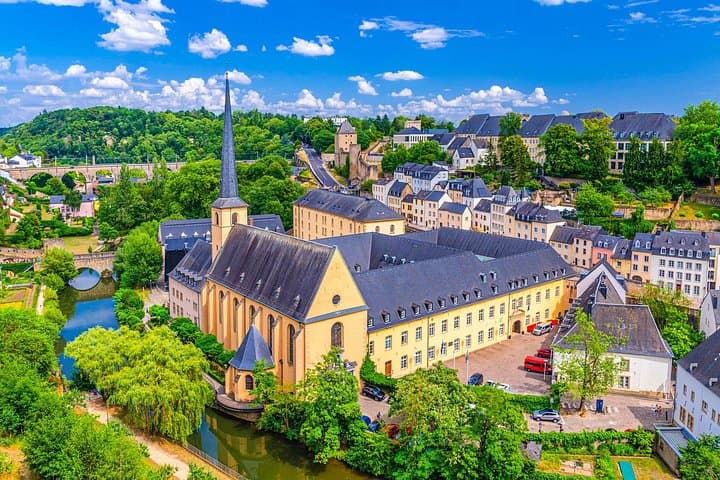
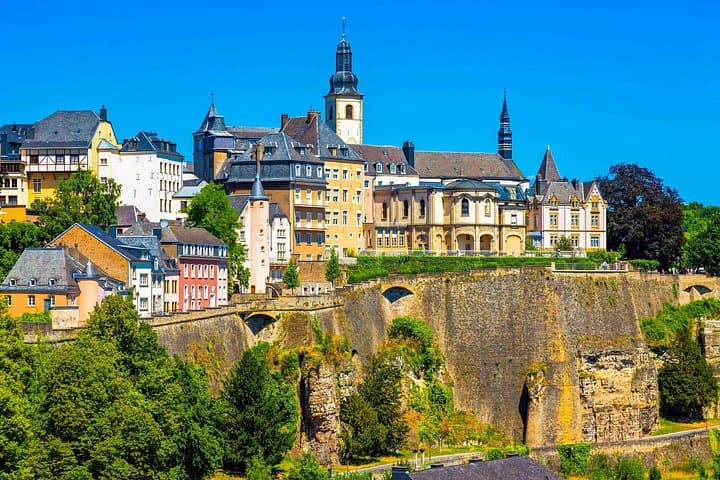
The clack of cobbles, a glass elevator rising above the Alzette, and a gilded figure scanning the valley—Luxembourg City compresses centuries into a few steep blocks. This self-guided smartphone audiotour walks the Plateau du Saint-Esprit to the Kirchberg plateau, carrying listeners from medieval ramparts and subterranean casemates to contemporary architecture and European institutions.
Verified experiences and guided adventures in the surrounding area.
Operated by TouringBee · Luxembourg, Luxembourg
The clack of cobbles, a glass elevator rising above the Alzette, and a gilded figure scanning the valley—Luxembourg City compresses centuries into a few steep blocks. This self-guided smartphone audiotour walks the Plateau du Saint-Esprit to the Kirchberg plateau, carrying listeners from medieval ramparts and subterranean casemates to contemporary architecture and European institutions.
Geology here is literal: cliffs of sandstone and slate carve the old town into tiers, and the rivers Pétrusse and Alzette dare visitors to look down and back through time. The city’s military past—once nicknamed the “Gibraltar of the North”—is audible in the stories that accompany the Bock and Pétrusse casemates, Vauban fortifications, and Fort Thüngen. Culture shifts seamlessly from the hush of Notre-Dame Cathedral to the sharp angles of MUDAM and the Philharmonie; modern Europe’s legal heart sits quietly on Kirchberg.
Practical details matter: the tour runs offline after download and includes 28 tracks and a mapped route, so a charged phone and comfortable shoes are essential. Allow 2–3 hours at a relaxed pace; add time for museum entry or a coffee in the Grund. The Pfaffenthal Elevator offers accessibility and one of the city’s best vantage points without a steep climb. Note that some paid attractions—casemates, museums, palace tours—require separate tickets and seasonal opening times.
For travelers who want history in their pocket and the city at their feet, this app-led walk is efficient, flexible, and richly informative—ideal for a half-day orientation in a compact capital that keeps surprising at every tier.
No—once purchased and downloaded the tour, the audio files and map run offline, though initial download requires a connection.
Plan for roughly 2–3 hours at a steady pace; allow extra time for museum visits or lingering at viewpoints.
No—entrance to the casemates, MUDAM, and palace tours are not included and must be booked or paid for separately.
Parts of the route use steep streets and steps, but the Pfaffenthal Elevator connects upper and lower town and improves accessibility for many key viewpoints.
TouringBee operates guided outdoor trips and adventures with an emphasis on safety, stewardship, and memorable experiences.

The clack of cobbles, a glass elevator rising above the Alzette, and a gilded figure scanning the valley—Luxembourg City compresses centuries into a few steep blocks. This self-guided smartphone audiotour walks the Plateau du Saint-Esprit to the Kirchberg plateau, carrying listeners from medieval ramparts and subterranean casemates to contemporary architecture and European institutions.
The clack of cobbles, a glass elevator rising above the Alzette, and a gilded figure scanning the valley—Luxembourg City compresses centuries into a few steep blocks. This self-guided smartphone audiotour walks the Plateau du Saint-Esprit to the Kirchberg plateau, carrying listeners from medieval ramparts and subterranean casemates to contemporary architecture and European institutions.
Geology here is literal: cliffs of sandstone and slate carve the old town into tiers, and the rivers Pétrusse and Alzette dare visitors to look down and back through time. The city’s military past—once nicknamed the “Gibraltar of the North”—is audible in the stories that accompany the Bock and Pétrusse casemates, Vauban fortifications, and Fort Thüngen. Culture shifts seamlessly from the hush of Notre-Dame Cathedral to the sharp angles of MUDAM and the Philharmonie; modern Europe’s legal heart sits quietly on Kirchberg.
Practical details matter: the tour runs offline after download and includes 28 tracks and a mapped route, so a charged phone and comfortable shoes are essential. Allow 2–3 hours at a relaxed pace; add time for museum entry or a coffee in the Grund. The Pfaffenthal Elevator offers accessibility and one of the city’s best vantage points without a steep climb. Note that some paid attractions—casemates, museums, palace tours—require separate tickets and seasonal opening times.
For travelers who want history in their pocket and the city at their feet, this app-led walk is efficient, flexible, and richly informative—ideal for a half-day orientation in a compact capital that keeps surprising at every tier.
