THE ADVENTURE COLLECTIVE® · Independent discovery and booking for outdoor travel

Glide from Mosman into the quieter arms of Middle Harbour on a deluxe double sea kayak. This three-hour self-guided tour delivers secluded beaches, mangrove channels, and close-up wildlife viewing with practical route advice and safety gear included.
Glide from Mosman into the quieter arms of Middle Harbour on a deluxe double sea kayak. This three-hour self-guided tour delivers secluded beaches, mangrove channels, and close-up wildlife viewing with practical route advice and safety gear included.
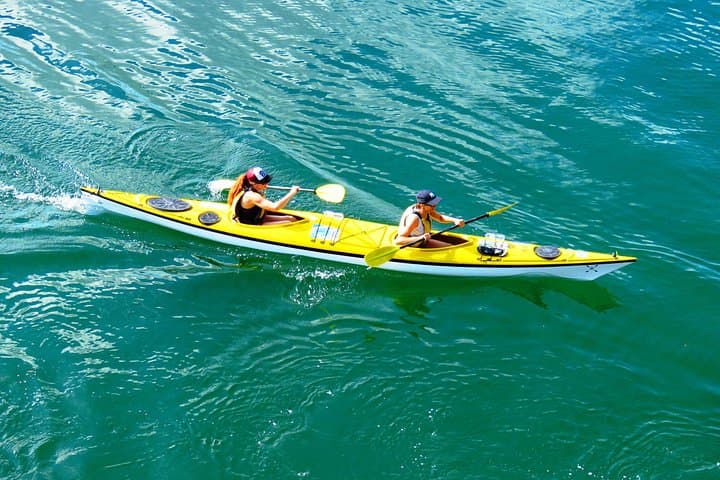
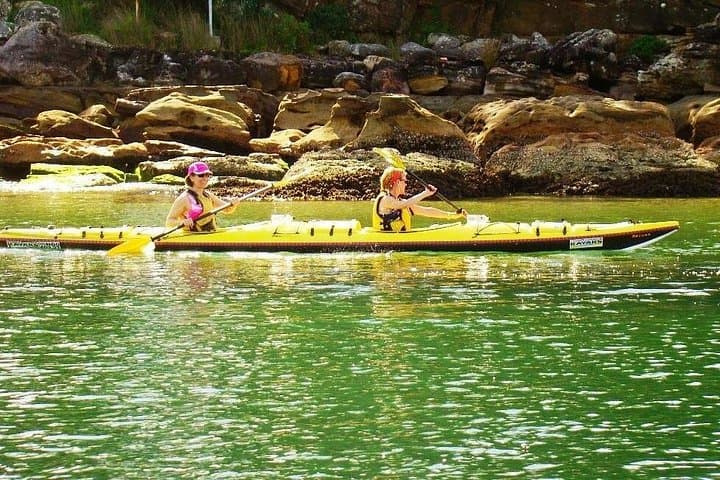
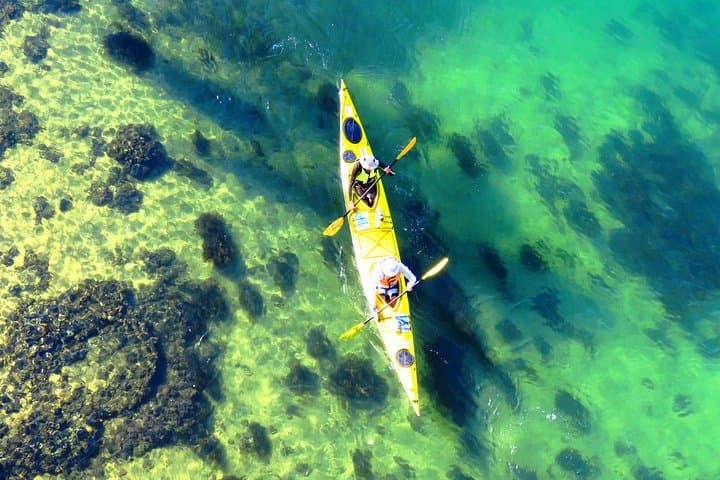
You push off from Smiths Boatshed beneath the Spit Bridge and the city’s hum slackens to gull calls and water on hulls. Middle Harbour opens as a branching river of deep blue and sheltered inlets framed by sandstone cliffs and stands of paperbark and mangrove. In a deluxe double sea kayak you glide low and quiet, close enough to see crabs scuttle among exposed roots and to peer into small coves where old timber hulks break the surface.
Verified experiences and guided adventures in the surrounding area.
Operated by Sydney Harbour Kayaks · Mosman, New South Wales
You push off from Smiths Boatshed beneath the Spit Bridge and the city’s hum slackens to gull calls and water on hulls. Middle Harbour opens as a branching river of deep blue and sheltered inlets framed by sandstone cliffs and stands of paperbark and mangrove. In a deluxe double sea kayak you glide low and quiet, close enough to see crabs scuttle among exposed roots and to peer into small coves where old timber hulks break the surface.
This waterway runs through Garigal National Park country, carved from Triassic Hawkesbury sandstone and shaped by tides that still burrow into mangrove systems. The harbour has Aboriginal and colonial layers: Indigenous Gadigal and Cammeraygal people used these shores for millennia; later, European boats and fishing nets left traces—some visible as small wrecks and remnants along quieter shores.
Culturally the area is a working harbour and a recreational artery for Sydneysiders: expect sailors, motorboats, and fishermen alongside solitary paddlers. The experience is equal parts nature viewing and quiet navigation—maps and local route advice point you to small beaches and mangrove channels only kayaks can reach.
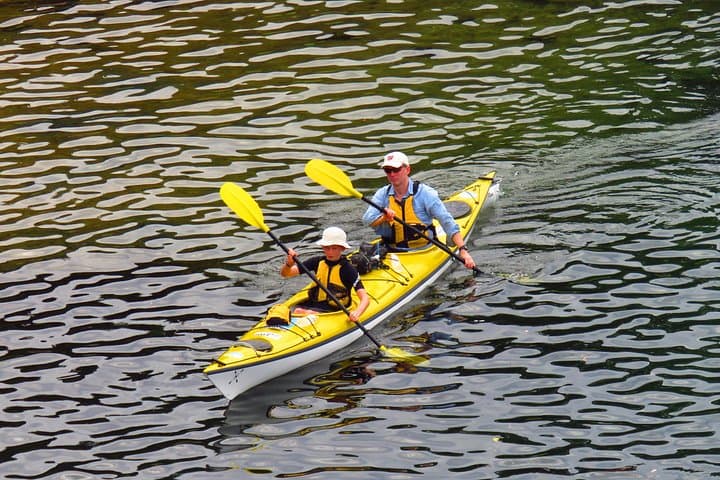
Practical guidance: this self-guided trip runs three hours and is best timed for a couple of slack-tide hours; winds and tidal drift change route difficulty. Bring sun protection, a waterproof layer, and secure snacks; lifejackets and a safety briefing are provided. For families, follow the age rules for doubles and keep a conservative route plan with the operator’s map. Leave no trace, and treat the shoreline as shared habitat—quiet paddling preserves wildlife encounters.
No formal certification is required, but operators expect a moderate fitness level and basic paddling ability; a safety briefing and route advice are provided.
Launch and return at Smiths Boatshed, 81 Parriwi Road, Mosman (under the Spit Bridge); the booking confirms start details and local contact numbers.
Yes—PFDs/lifejackets are included and must be worn; operators also give a paddle safety briefing before departure.
Children under 18 must be accompanied by an adult; specific seating rules apply for ages 3–13 and teens, and infants require specialized seats.
Sydney Harbour Kayaks operates guided outdoor trips and adventures with an emphasis on safety, stewardship, and memorable experiences.
You push off from Smiths Boatshed beneath the Spit Bridge and the city’s hum slackens to gull calls and water on hulls. Middle Harbour opens as a branching river of deep blue and sheltered inlets framed by sandstone cliffs and stands of paperbark and mangrove. In a deluxe double sea kayak you glide low and quiet, close enough to see crabs scuttle among exposed roots and to peer into small coves where old timber hulks break the surface.
You push off from Smiths Boatshed beneath the Spit Bridge and the city’s hum slackens to gull calls and water on hulls. Middle Harbour opens as a branching river of deep blue and sheltered inlets framed by sandstone cliffs and stands of paperbark and mangrove. In a deluxe double sea kayak you glide low and quiet, close enough to see crabs scuttle among exposed roots and to peer into small coves where old timber hulks break the surface.
This waterway runs through Garigal National Park country, carved from Triassic Hawkesbury sandstone and shaped by tides that still burrow into mangrove systems. The harbour has Aboriginal and colonial layers: Indigenous Gadigal and Cammeraygal people used these shores for millennia; later, European boats and fishing nets left traces—some visible as small wrecks and remnants along quieter shores.
Culturally the area is a working harbour and a recreational artery for Sydneysiders: expect sailors, motorboats, and fishermen alongside solitary paddlers. The experience is equal parts nature viewing and quiet navigation—maps and local route advice point you to small beaches and mangrove channels only kayaks can reach.
Practical guidance: this self-guided trip runs three hours and is best timed for a couple of slack-tide hours; winds and tidal drift change route difficulty. Bring sun protection, a waterproof layer, and secure snacks; lifejackets and a safety briefing are provided. For families, follow the age rules for doubles and keep a conservative route plan with the operator’s map. Leave no trace, and treat the shoreline as shared habitat—quiet paddling preserves wildlife encounters.