THE ADVENTURE COLLECTIVE® · Independent discovery and booking for outdoor travel

Walk through Hamburg’s working harbour with a GPS audio guide that moves from Landungsbrücken to the Elbphilharmonie. Expect museum ships, engineering landmarks and waterfront views on a 75–90 minute self-paced route.
Walk through Hamburg’s working harbour with a GPS audio guide that moves from Landungsbrücken to the Elbphilharmonie. Expect museum ships, engineering landmarks and waterfront views on a 75–90 minute self-paced route.
Start at Landungsbrücken where foghorns and diesel exhaust blend into the city’s rhythm and walking past cranes becomes a lesson in scale. The Elbe stretches wide, pulling you along its quay; ferries slide across like time-stamped postcards. This self-guided audio walk threads through working docks, museum ships, and the glass shell of the Elbphilharmonie, placing the listener where trade, engineering and culture intersect.
Verified experiences and guided adventures in the surrounding area.
Operated by VoiceMap Audio Tours · Hamburg, Hamburg
Start at Landungsbrücken where foghorns and diesel exhaust blend into the city’s rhythm and walking past cranes becomes a lesson in scale. The Elbe stretches wide, pulling you along its quay; ferries slide across like time-stamped postcards. This self-guided audio walk threads through working docks, museum ships, and the glass shell of the Elbphilharmonie, placing the listener where trade, engineering and culture intersect.
Hamburg’s port grew from medieval wharves into one of Europe’s busiest hubs; the Old Elbe Tunnel (1911) solved early 20th-century logistic bottlenecks and Speicherstadt warehouses stored goods that built the city’s global ties. The geology is flat river plain—silt and reclaimed land—so the urban landscape reads as human-made topography: piers, basins and warehouses stacked against the Elbe.
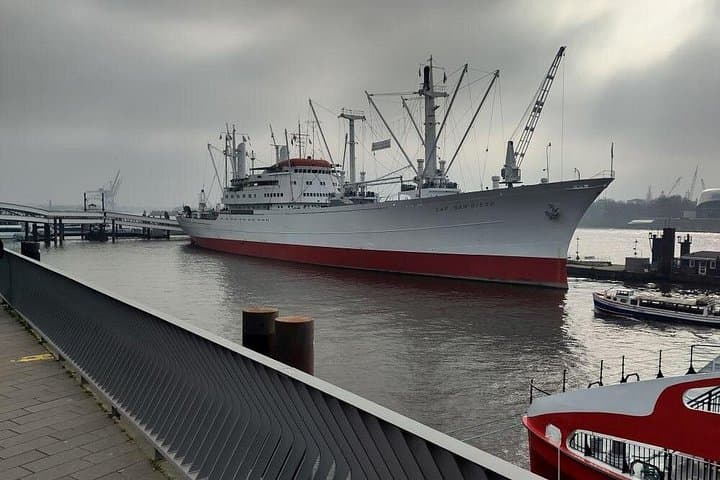
Culturally, the harbour is both workplace and stage: shipwrights, officers, artists and restaurateurs share the waterfront. The tour’s GPS-guided audio highlights landmarks like the Rickmer Rickmers and Cap San Diego while letting walkers pause at a bench to watch tugs choreograph container giants.
Practical guidance: expect 75–90 minutes of mostly flat pavement and cobblestones; comfortable walking shoes and a light rain layer are sensible. Peak harbour activity occurs mid-morning and late afternoon—plan for quieter viewing at first light. Use the offline audio option to avoid roaming charges and audit points of interest in any order. Allow extra time to board museum ships or to climb the Elbphilharmonie plaza if you want a skyline view.
No — the tour is self-guided with GPS-triggered audio and maps, so you can follow at your own pace.
No — entry fees for the Rickmer Rickmers or Cap San Diego are separate from the self-guided audio tour.
The route begins at Landungsbrücken and concludes with the Elbphilharmonie; you can pause or reverse sections as needed.
Yes — the tunnel has long staircases; there is limited accessibility for mobility devices, so check local access information if needed.
VoiceMap Audio Tours operates guided outdoor trips and adventures with an emphasis on safety, stewardship, and memorable experiences.
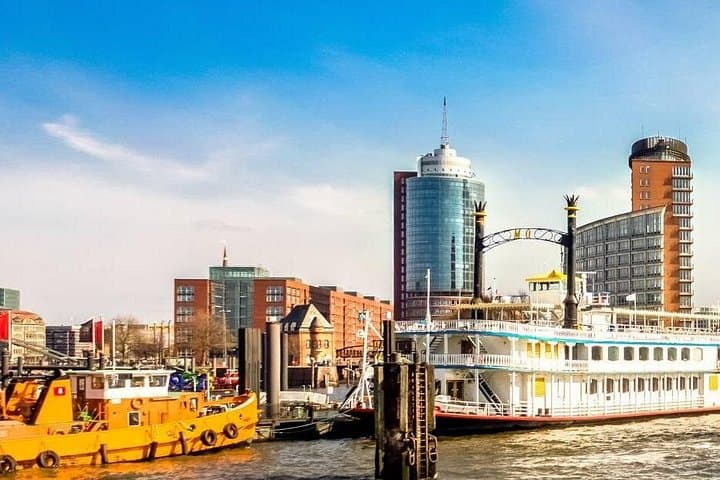
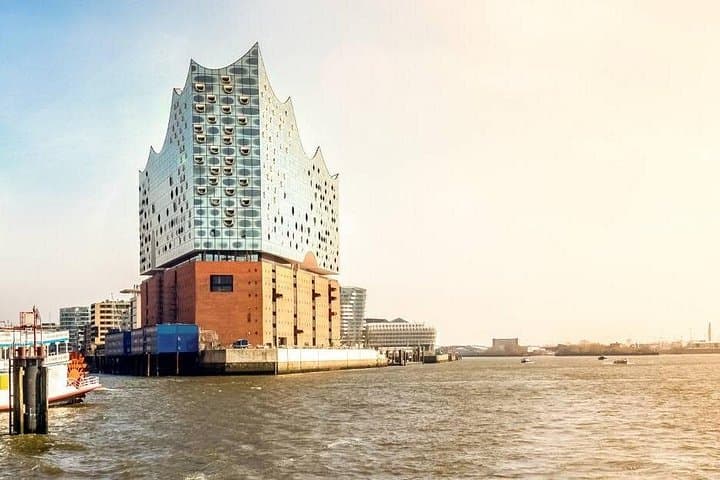
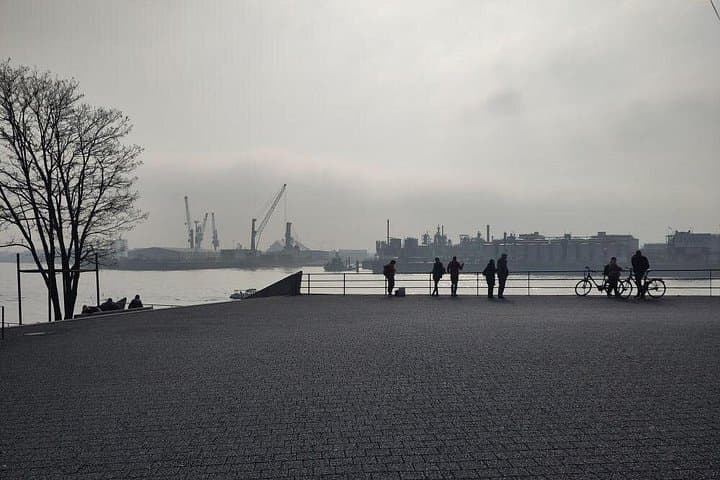
Start at Landungsbrücken where foghorns and diesel exhaust blend into the city’s rhythm and walking past cranes becomes a lesson in scale. The Elbe stretches wide, pulling you along its quay; ferries slide across like time-stamped postcards. This self-guided audio walk threads through working docks, museum ships, and the glass shell of the Elbphilharmonie, placing the listener where trade, engineering and culture intersect.
Start at Landungsbrücken where foghorns and diesel exhaust blend into the city’s rhythm and walking past cranes becomes a lesson in scale. The Elbe stretches wide, pulling you along its quay; ferries slide across like time-stamped postcards. This self-guided audio walk threads through working docks, museum ships, and the glass shell of the Elbphilharmonie, placing the listener where trade, engineering and culture intersect.
Hamburg’s port grew from medieval wharves into one of Europe’s busiest hubs; the Old Elbe Tunnel (1911) solved early 20th-century logistic bottlenecks and Speicherstadt warehouses stored goods that built the city’s global ties. The geology is flat river plain—silt and reclaimed land—so the urban landscape reads as human-made topography: piers, basins and warehouses stacked against the Elbe.
Culturally, the harbour is both workplace and stage: shipwrights, officers, artists and restaurateurs share the waterfront. The tour’s GPS-guided audio highlights landmarks like the Rickmer Rickmers and Cap San Diego while letting walkers pause at a bench to watch tugs choreograph container giants.
Practical guidance: expect 75–90 minutes of mostly flat pavement and cobblestones; comfortable walking shoes and a light rain layer are sensible. Peak harbour activity occurs mid-morning and late afternoon—plan for quieter viewing at first light. Use the offline audio option to avoid roaming charges and audit points of interest in any order. Allow extra time to board museum ships or to climb the Elbphilharmonie plaza if you want a skyline view.