THE ADVENTURE COLLECTIVE® · Independent discovery and booking for outdoor travel

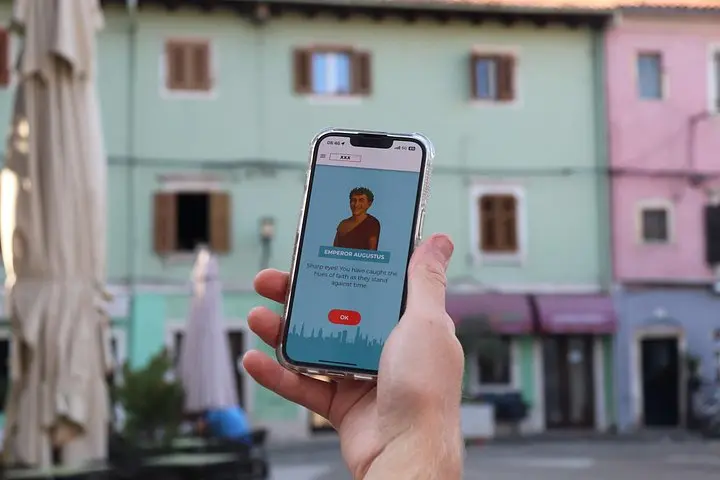
Turn Pula’s ancient streets into a live puzzle: a self-guided GPS game that starts at the Temple of Augustus and leads you past the Arena, Arch of the Sergii and Venetian walls. Play at your own pace—solve riddles, take photo challenges, and learn Pula’s layered history in about two hours.
Turn Pula’s ancient streets into a live puzzle: a self-guided GPS game that starts at the Temple of Augustus and leads you past the Arena, Arch of the Sergii and Venetian walls. Play at your own pace—solve riddles, take photo challenges, and learn Pula’s layered history in about two hours.
The sun warms marble and salt air in Pula as you tap the play link and step out from the shadow of the Temple of Augustus.
Verified experiences and guided adventures in the surrounding area.
Operated by City Game · Pula, Istria
The sun warms marble and salt air in Pula as you tap the play link and step out from the shadow of the Temple of Augustus.
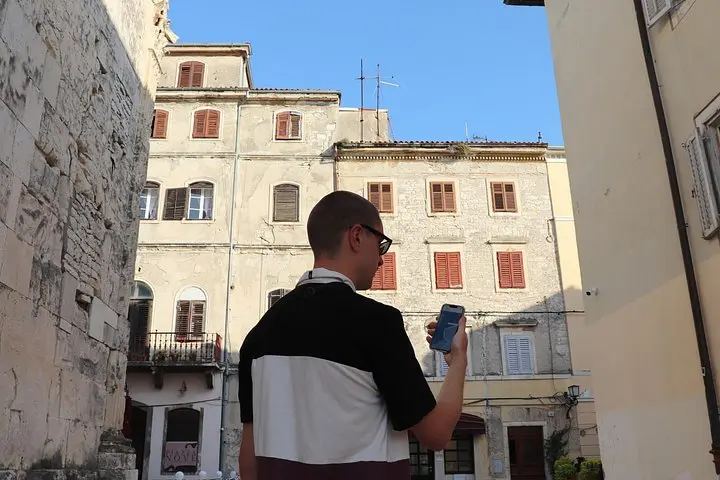
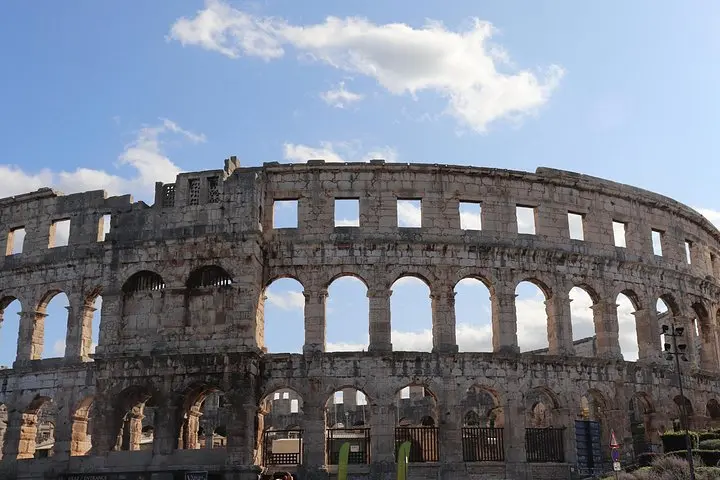
Cobblestones guide you between stone arches and the hulking oval of the Roman Arena, while clues nudge you toward forgotten inscriptions and narrow alleys where the city’s layers—Roman, Venetian, Austro-Hungarian—press close. The game moves at your pace: solve a riddle here, take a photo challenge there, then pause for espresso on a sunlit square.
Pula’s history is physical—an arena that hosted gladiators, a Forum framed by the Temple of Augustus, and Venetian fortifications watching the Adriatic. Geology matters too: limestone and karst have shaped the coastline and the bright, weathered stone of the buildings you’ll study up close. Local life threads through the route: fishermen at the quay, market stalls selling olives and prosciutto, and a compact city center that rewards curiosity.
Practically, expect about two hours of walking over paved streets and stairways, with frequent stops for puzzles. You’ll need a smartphone and data to run the GPS-based interface; tickets cover groups up to four, and you can start any time. Good shoes, sun protection, and a charged battery keep the tempo steady. Be mindful of busy summer crowds around the Arena and respectful of archaeological sites—no climbing on ruins. When you finish, the reward isn’t just points on a leaderboard but a clearer map in your head of a city that keeps its past in plain view.
No app is required—after booking you’ll receive a direct play link to open in your phone browser and start at the Temple of Augustus.
One ticket covers a group of up to four players; larger teams should purchase additional tickets so everyone can participate.
Yes—families can play, but younger children may need assistance with reading clues and smartphone navigation.
Yes—you can stop at any point and resume later from where you left off using the same play link.
City Game operates guided outdoor trips and adventures with an emphasis on safety, stewardship, and memorable experiences.
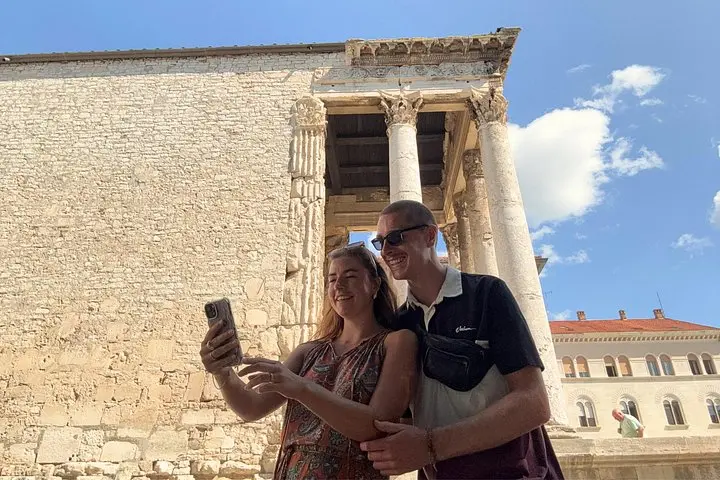
The sun warms marble and salt air in Pula as you tap the play link and step out from the shadow of the Temple of Augustus.
The sun warms marble and salt air in Pula as you tap the play link and step out from the shadow of the Temple of Augustus.
Cobblestones guide you between stone arches and the hulking oval of the Roman Arena, while clues nudge you toward forgotten inscriptions and narrow alleys where the city’s layers—Roman, Venetian, Austro-Hungarian—press close. The game moves at your pace: solve a riddle here, take a photo challenge there, then pause for espresso on a sunlit square.
Pula’s history is physical—an arena that hosted gladiators, a Forum framed by the Temple of Augustus, and Venetian fortifications watching the Adriatic. Geology matters too: limestone and karst have shaped the coastline and the bright, weathered stone of the buildings you’ll study up close. Local life threads through the route: fishermen at the quay, market stalls selling olives and prosciutto, and a compact city center that rewards curiosity.
Practically, expect about two hours of walking over paved streets and stairways, with frequent stops for puzzles. You’ll need a smartphone and data to run the GPS-based interface; tickets cover groups up to four, and you can start any time. Good shoes, sun protection, and a charged battery keep the tempo steady. Be mindful of busy summer crowds around the Arena and respectful of archaeological sites—no climbing on ruins. When you finish, the reward isn’t just points on a leaderboard but a clearer map in your head of a city that keeps its past in plain view.