THE ADVENTURE COLLECTIVE® · Independent discovery and booking for outdoor travel

Spend a half day cycling through Sonoma Valley’s quiet roads, visiting a winery and an olive oil producer. This self-guided ride delivers vineyard views, mild climbs, and a practical, sensory way to experience wine country.
Spend a half day cycling through Sonoma Valley’s quiet roads, visiting a winery and an olive oil producer. This self-guided ride delivers vineyard views, mild climbs, and a practical, sensory way to experience wine country.
Wind slides across low vines and country roads as riders pedal out of Sonoma Plaza, tires whispering on sun-warmed asphalt. This half-day, self-guided bicycle tour threads quiet backroads through Sonoma Valley’s gentle, vine-covered hills, pauses at one local winery and an artisan olive-oil factory, and returns in time for an afternoon of tasting rooms or a late lunch.
Verified experiences and guided adventures in the surrounding area.
Wind slides across low vines and country roads as riders pedal out of Sonoma Plaza, tires whispering on sun-warmed asphalt. This half-day, self-guided bicycle tour threads quiet backroads through Sonoma Valley’s gentle, vine-covered hills, pauses at one local winery and an artisan olive-oil factory, and returns in time for an afternoon of tasting rooms or a late lunch.
Geologically the valley sits on alluvial soils fed by nearby Sonoma Mountain and ancient creek systems; the result is varied terrain — firm farm roads, paved country lanes and short, mellow climbs that reveal long vineyard rows. Culturally the valley is shaped by 19th-century ranching and later by European immigrants who established many of the region’s family wineries and olive presses still operating today. Expect friendly farm gates, weathered barns, and signs of harvest season: tractors, crates and the faint perfume of fermenting grapes.
Practically, this ride is about relaxed mileage and sensory details: look for bees threading zinnias near farmhouse hedges, and hawks circling thermals above ridgelines. The route covers roughly 12–18 miles with 400–900 feet of cumulative elevation gain on mixed paved surfaces; roads are usually low-traffic but require attention at intersections.
Bring a plan for hydration, sun protection, and basic bike repair supplies. Mornings are cooler and best for sweeping views; afternoons can warm quickly. Confirm bike rental, helmet policies and winery tasting reservations with the operator before you go. Ride deliberately, stay on public roads, and support the local producers you stop to visit.
This listing describes a self-guided half-day ride; riders follow a planned route and visit a winery and an olive oil producer on their own schedule.
Inclusions vary by operator—many self-guided outings provide bikes and helmets, but confirm what’s supplied and sizing options before booking.
Plan for about 12–18 miles and roughly 400–900 feet of elevation gain over mixed paved roads; it’s moderate fitness level with short rolling climbs.
Possibly, but you should check tasting appointment policies and allow extra time; some wineries limit same-day or large-group tastings.
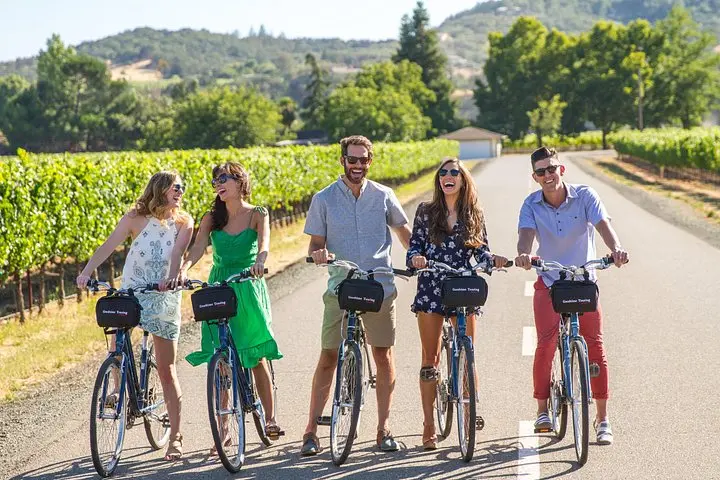
Wind slides across low vines and country roads as riders pedal out of Sonoma Plaza, tires whispering on sun-warmed asphalt. This half-day, self-guided bicycle tour threads quiet backroads through Sonoma Valley’s gentle, vine-covered hills, pauses at one local winery and an artisan olive-oil factory, and returns in time for an afternoon of tasting rooms or a late lunch.
Wind slides across low vines and country roads as riders pedal out of Sonoma Plaza, tires whispering on sun-warmed asphalt. This half-day, self-guided bicycle tour threads quiet backroads through Sonoma Valley’s gentle, vine-covered hills, pauses at one local winery and an artisan olive-oil factory, and returns in time for an afternoon of tasting rooms or a late lunch.
Geologically the valley sits on alluvial soils fed by nearby Sonoma Mountain and ancient creek systems; the result is varied terrain — firm farm roads, paved country lanes and short, mellow climbs that reveal long vineyard rows. Culturally the valley is shaped by 19th-century ranching and later by European immigrants who established many of the region’s family wineries and olive presses still operating today. Expect friendly farm gates, weathered barns, and signs of harvest season: tractors, crates and the faint perfume of fermenting grapes.
Practically, this ride is about relaxed mileage and sensory details: look for bees threading zinnias near farmhouse hedges, and hawks circling thermals above ridgelines. The route covers roughly 12–18 miles with 400–900 feet of cumulative elevation gain on mixed paved surfaces; roads are usually low-traffic but require attention at intersections.
Bring a plan for hydration, sun protection, and basic bike repair supplies. Mornings are cooler and best for sweeping views; afternoons can warm quickly. Confirm bike rental, helmet policies and winery tasting reservations with the operator before you go. Ride deliberately, stay on public roads, and support the local producers you stop to visit.