THE ADVENTURE COLLECTIVE® · Independent discovery and booking for outdoor travel
Walk Stara Zagora at your own pace with a personalized e-guide that maps Roman ruins, Revival-era streets, and parkland along the Thracian Plain. Practical notes and curated stops let you explore independently without a costly guide.
Walk Stara Zagora at your own pace with a personalized e-guide that maps Roman ruins, Revival-era streets, and parkland along the Thracian Plain. Practical notes and curated stops let you explore independently without a costly guide.
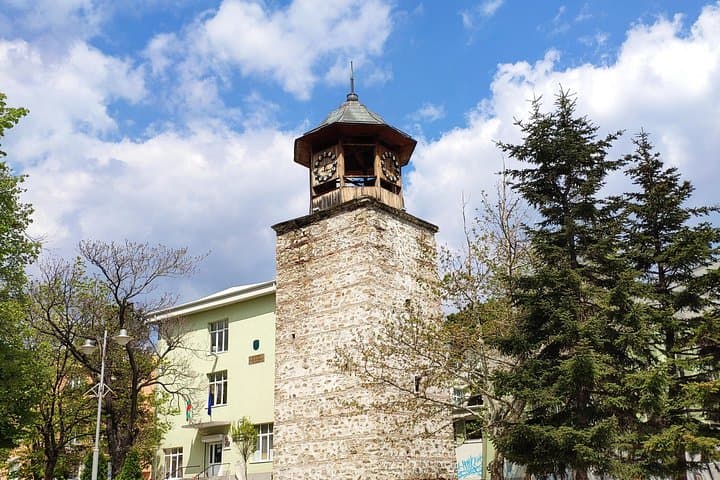
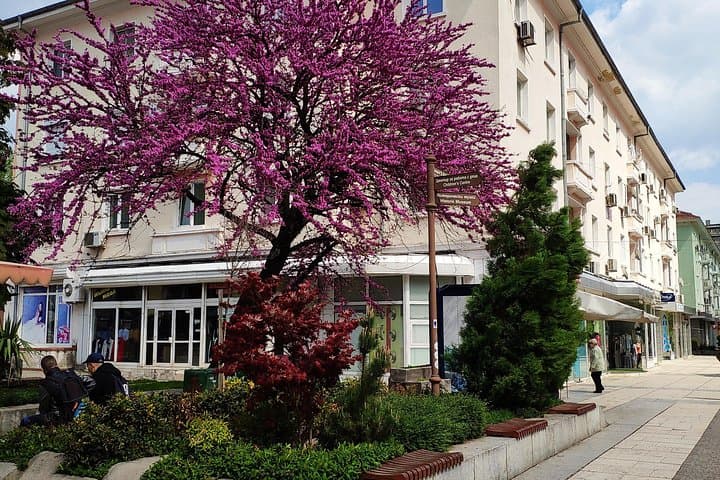
You step from a broad boulevard into a square where plane trees shade 19th-century facades and the warm, red soil of the Thracian Valley seems to push the city outward. Stara Zagora is a working Bulgarian city—its parks breathe, its Roman ruins sit quietly beneath modern streets, and its markets nod to a farming hinterland that still shapes local life.
Verified experiences and guided adventures in the surrounding area.
Operated by VisitBulgariaOn Bespoke Experiences · Stara Zagora, Stara Zagora Province
You step from a broad boulevard into a square where plane trees shade 19th-century facades and the warm, red soil of the Thracian Valley seems to push the city outward. Stara Zagora is a working Bulgarian city—its parks breathe, its Roman ruins sit quietly beneath modern streets, and its markets nod to a farming hinterland that still shapes local life.
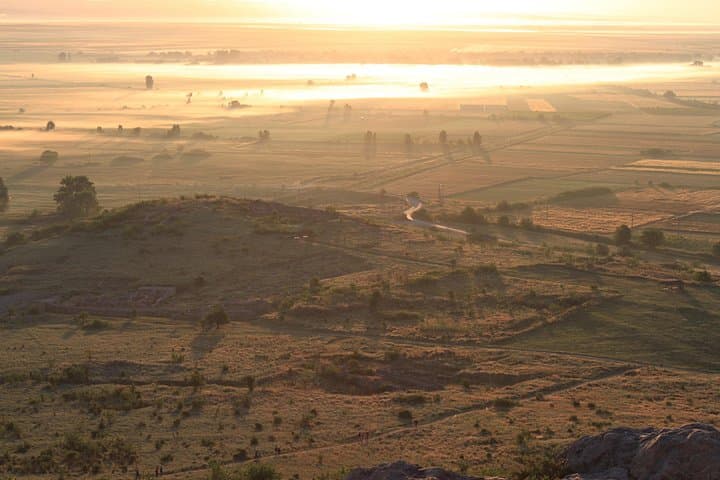
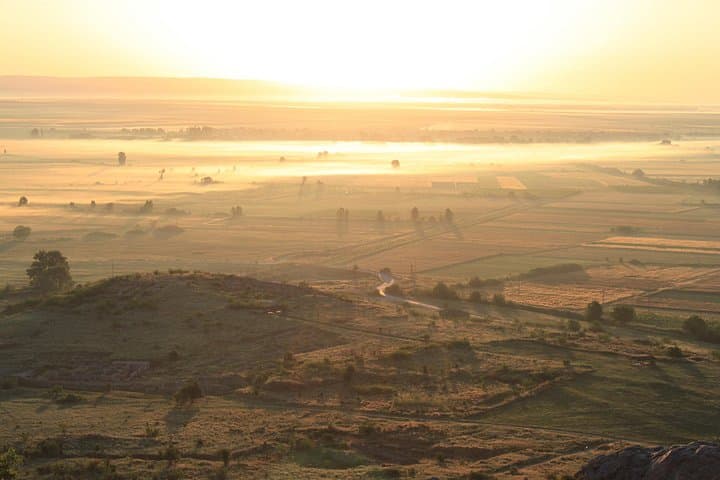
The city's roots run deep: prehistoric settlements, Thracian tombs, and a Roman amphitheater remind visitors that this crossroads has been lived in for millennia. Geologically, the Thracian Plain is a low, fertile basin hemmed by ridges; look for sandstone and clay exposures near the rivers. Culturally, Stara Zagora blends Ottoman-era mosques, Bulgarian Revival architecture, and Soviet-era public spaces—each era leaves an architectural footnote you can read as you walk.
A self-guided e-guide hands you the keys: mapped routes, historical notes, and logistics so you move at your own pace. Expect mostly paved streets with some cobbled lanes and park paths; distances are modest but a full itinerary can stretch to a full day if you linger in museums or cafés. Best times are early morning and late afternoon for softer light and cooler temperatures. Bring comfortable shoes, a charged device to run the guide, and a water bottle; local bakeries and markets make practical, delicious stops.
This is urban exploration with an outdoor pulse—history underfoot, terraces to rest on, and a small-city rhythm that dares you to slow down and look closer.
The e-guide supports flexible routing; typical exploration ranges from 4 to 8 hours depending on stops and museum visits.
A charged device is required; many guides allow offline access or downloadable maps—download materials before you start.
Yes—routes are designed for all fitness levels with mostly level walking; adjust pace and skip longer sections if needed.
The guide provides logistics and recommendations but does not include admissions; check opening hours and buy tickets separately when required.
VisitBulgariaOn Bespoke Experiences operates guided outdoor trips and adventures with an emphasis on safety, stewardship, and memorable experiences.
You step from a broad boulevard into a square where plane trees shade 19th-century facades and the warm, red soil of the Thracian Valley seems to push the city outward. Stara Zagora is a working Bulgarian city—its parks breathe, its Roman ruins sit quietly beneath modern streets, and its markets nod to a farming hinterland that still shapes local life.
You step from a broad boulevard into a square where plane trees shade 19th-century facades and the warm, red soil of the Thracian Valley seems to push the city outward. Stara Zagora is a working Bulgarian city—its parks breathe, its Roman ruins sit quietly beneath modern streets, and its markets nod to a farming hinterland that still shapes local life.
The city's roots run deep: prehistoric settlements, Thracian tombs, and a Roman amphitheater remind visitors that this crossroads has been lived in for millennia. Geologically, the Thracian Plain is a low, fertile basin hemmed by ridges; look for sandstone and clay exposures near the rivers. Culturally, Stara Zagora blends Ottoman-era mosques, Bulgarian Revival architecture, and Soviet-era public spaces—each era leaves an architectural footnote you can read as you walk.
A self-guided e-guide hands you the keys: mapped routes, historical notes, and logistics so you move at your own pace. Expect mostly paved streets with some cobbled lanes and park paths; distances are modest but a full itinerary can stretch to a full day if you linger in museums or cafés. Best times are early morning and late afternoon for softer light and cooler temperatures. Bring comfortable shoes, a charged device to run the guide, and a water bottle; local bakeries and markets make practical, delicious stops.
This is urban exploration with an outdoor pulse—history underfoot, terraces to rest on, and a small-city rhythm that dares you to slow down and look closer.
