THE ADVENTURE COLLECTIVE® · Independent discovery and booking for outdoor travel

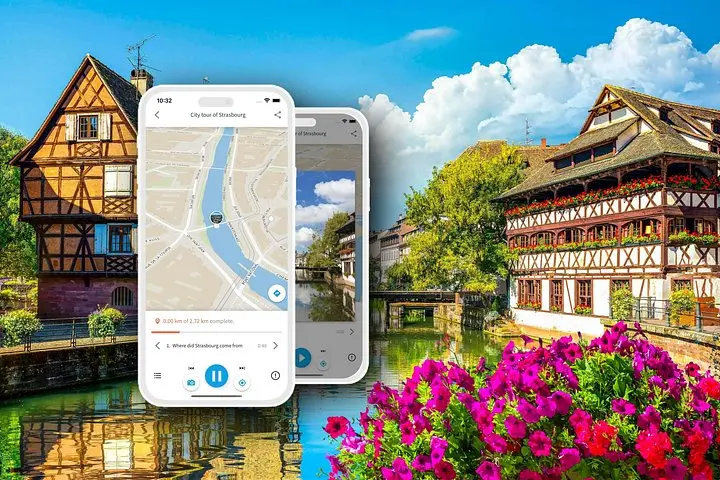
Explore Strasbourg at your own pace with a 2–3 hour self-guided audio tour that links Petite France, Ponts Couverts and the Cathédrale. Download the app, bring headphones, and let history lead you through cobbled streets and riverside terraces.
Explore Strasbourg at your own pace with a 2–3 hour self-guided audio tour that links Petite France, Ponts Couverts and the Cathédrale. Download the app, bring headphones, and let history lead you through cobbled streets and riverside terraces.
You step out of Strasbourg-Ville station and the city rearranges itself: tramlines hum, the Ill River nudges narrow canals forward, and the cathedral’s spire pins the sky. Follow an offline map on your phone and an audio narrator whose voice guides you through alleys where half-timbered houses lean toward each other as if sharing secrets.
Verified experiences and guided adventures in the surrounding area.
Operated by TouringBee · Strasbourg, Grand Est
You step out of Strasbourg-Ville station and the city rearranges itself: tramlines hum, the Ill River nudges narrow canals forward, and the cathedral’s spire pins the sky. Follow an offline map on your phone and an audio narrator whose voice guides you through alleys where half-timbered houses lean toward each other as if sharing secrets.
History here is literal — medieval walls, 13th-century Ponts Couverts and Vauban’s 17th-century weir show Strasbourg’s strategic role between France and Germany. Geology of the Alsace plain is subtle: a low-lying river network shaped centuries of mills and tanneries, now framed by cafés and riverside terraces. Culture surfaces in small details: brass plates on bakeries, a local ordering a tarte flambée at noon, and the Silbermann organ in Église Saint-Thomas that once caught Mozart’s ear.
The TouringBee audio tour stitches 33 POIs into a 2.5-hour route from the train station to the cathedral, with optional detours into Petite France, Place Benjamin Zix and the Barrage Vauban terrace. The Ill dares you to slow down; bridges invite a pause.
Practical: download the app and audio files before you arrive, use headphones, and allow 2–3 hours with time to climb the cathedral steps if you want the panoramic view. Wear grippy shoes for cobbles and watch trams and bike lanes. This self-guided format gives flexibility to linger in a café or extend the walk into the Neustadt — it’s a compact, walkable introduction to Strasbourg’s layered past and lively present.
No — the tour offers offline map and audio if you download content in advance, though initial activation requires a one-time online setup.
Much of the central route is level and along promenades, but historic areas like Petite France have narrow cobbles and some bridges that can be challenging; check specific segments in the app for accessibility notes.
No — this self-guided audio tour provides commentary and suggested stops; admissions for attractions like the cathedral tower or museums are paid separately.
Yes — the product provides one-year access and the self-guided format lets you start whenever convenient during opening hours of sights.
TouringBee operates guided outdoor trips and adventures with an emphasis on safety, stewardship, and memorable experiences.
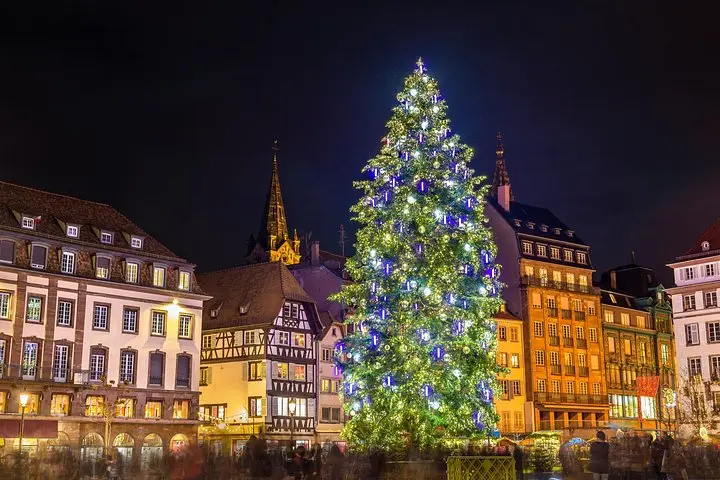
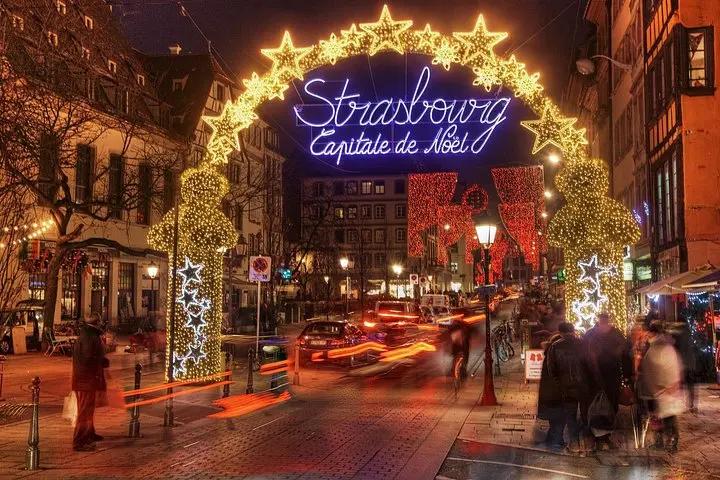
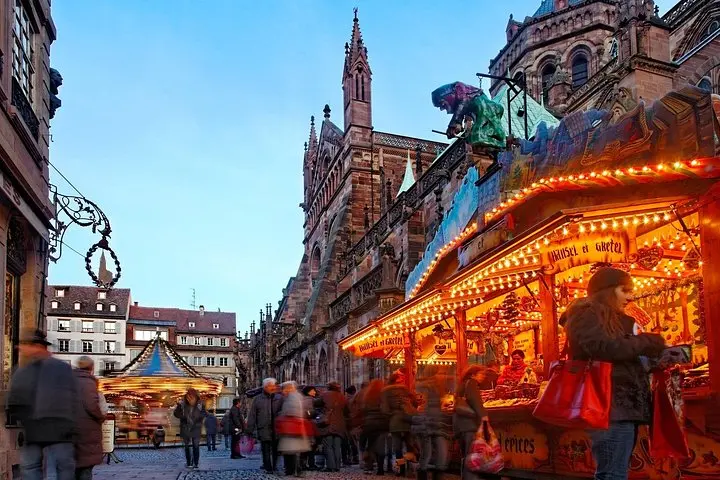
You step out of Strasbourg-Ville station and the city rearranges itself: tramlines hum, the Ill River nudges narrow canals forward, and the cathedral’s spire pins the sky. Follow an offline map on your phone and an audio narrator whose voice guides you through alleys where half-timbered houses lean toward each other as if sharing secrets.
You step out of Strasbourg-Ville station and the city rearranges itself: tramlines hum, the Ill River nudges narrow canals forward, and the cathedral’s spire pins the sky. Follow an offline map on your phone and an audio narrator whose voice guides you through alleys where half-timbered houses lean toward each other as if sharing secrets.
History here is literal — medieval walls, 13th-century Ponts Couverts and Vauban’s 17th-century weir show Strasbourg’s strategic role between France and Germany. Geology of the Alsace plain is subtle: a low-lying river network shaped centuries of mills and tanneries, now framed by cafés and riverside terraces. Culture surfaces in small details: brass plates on bakeries, a local ordering a tarte flambée at noon, and the Silbermann organ in Église Saint-Thomas that once caught Mozart’s ear.
The TouringBee audio tour stitches 33 POIs into a 2.5-hour route from the train station to the cathedral, with optional detours into Petite France, Place Benjamin Zix and the Barrage Vauban terrace. The Ill dares you to slow down; bridges invite a pause.
Practical: download the app and audio files before you arrive, use headphones, and allow 2–3 hours with time to climb the cathedral steps if you want the panoramic view. Wear grippy shoes for cobbles and watch trams and bike lanes. This self-guided format gives flexibility to linger in a café or extend the walk into the Neustadt — it’s a compact, walkable introduction to Strasbourg’s layered past and lively present.