THE ADVENTURE COLLECTIVE® · Independent discovery and booking for outdoor travel

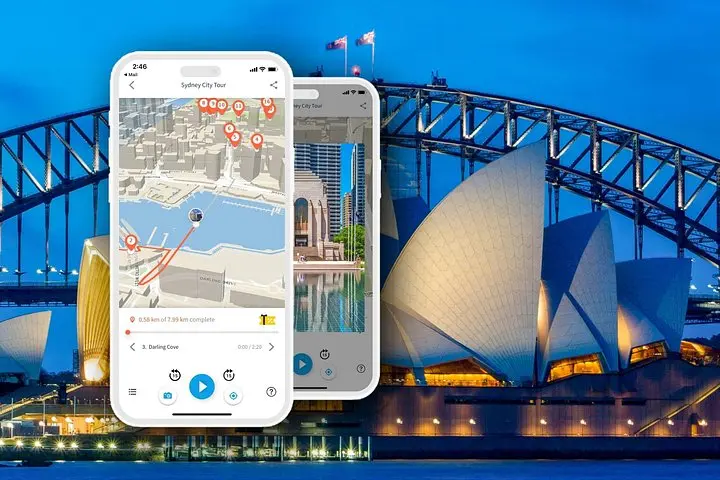
Walk Sydney at your own pace with a GPS-triggered audio guide covering The Rocks, Hyde Park, the Queen Victoria Building and the harbourfront. The offline app delivers 28 narrated stops and an offline map — ideal for a focused 2–3 hour city exploration.
Walk Sydney at your own pace with a GPS-triggered audio guide covering The Rocks, Hyde Park, the Queen Victoria Building and the harbourfront. The offline app delivers 28 narrated stops and an offline map — ideal for a focused 2–3 hour city exploration.
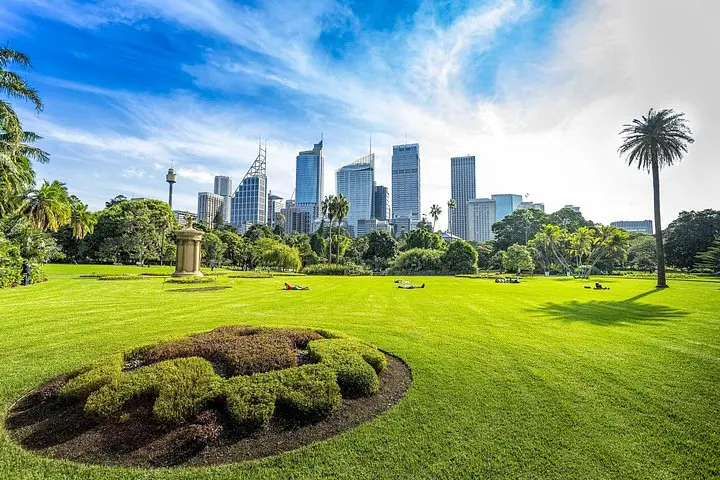
The city opens like a map under the soles of a walker: harborside wind pushing past the Opera House, sandstone streets telling stories of the first settlers, and pockets of green at the Royal Botanic Garden breathing quietly between glass towers.
Verified experiences and guided adventures in the surrounding area.
Operated by TouringBee · Sydney, New South Wales
The city opens like a map under the soles of a walker: harborside wind pushing past the Opera House, sandstone streets telling stories of the first settlers, and pockets of green at the Royal Botanic Garden breathing quietly between glass towers.
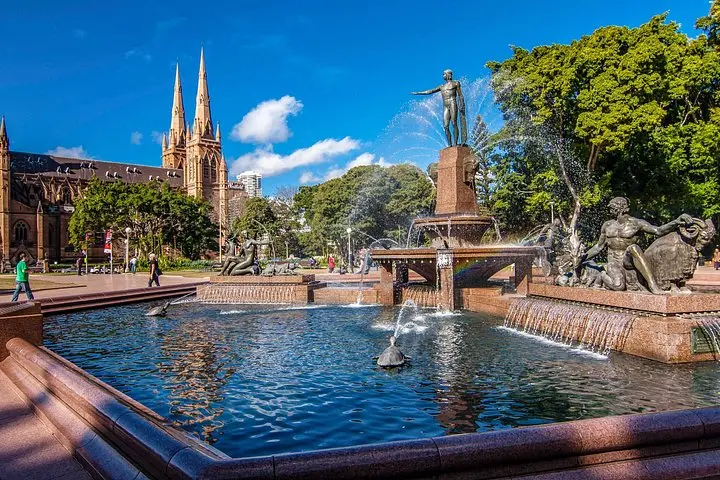
This self-guided audio walking tour threads through Sydney’s central district — The Rocks, Hyde Park, the Queen Victoria Building and the Harbour fringe — using GPS to trigger 28 narrated stops. The recordings, voiced by a professional historian, layer colonial history, maritime lore and civic architecture over visible streetscapes: convict barracks, Victorian shopping arcades, wartime memorials and the steel arc of the Harbour Bridge.
Geology and city growth are visible here: pale sandstone façades quarried locally, reclaimed wharves that turned maritime trade into tourism, and garden beds reflecting Australia’s native and introduced species. Cultural notes reference First Nations presence and the city’s evolution from penal colony to cosmopolitan port.
Practically, the app works offline once downloaded and maps your route for 2–3 hours of walking with flexible stop lengths. Expect even, paved surfaces and frequent cafés for breaks; the route is suitable for most fitness levels but includes urban stairs and busy crossings. Bring a charged phone, comfortable shoes and a data-free backup of the map. Time your walk for morning light or late afternoon to avoid peak pedestrian traffic and to catch the harbour at its most active.
For travelers who want context without a scheduled group, this tour balances history, practical navigation and the freedom to linger where the city compels them to stay.
Download the tour on your phone via the app; GPS triggers narration as you reach each point and the offline map shows the route without mobile data.
Most central sections are on paved surfaces and accessible, but some heritage buildings and cobbled streets may have limited access — check individual sites for full accessibility details.
Yes — the self-guided format lets you stop at any time, linger at sites, and resume playback when ready.
The map and timestamps let you jump to nearby recordings manually so you can catch up or follow a different route and still access the same content.
TouringBee operates guided outdoor trips and adventures with an emphasis on safety, stewardship, and memorable experiences.

The city opens like a map under the soles of a walker: harborside wind pushing past the Opera House, sandstone streets telling stories of the first settlers, and pockets of green at the Royal Botanic Garden breathing quietly between glass towers.
The city opens like a map under the soles of a walker: harborside wind pushing past the Opera House, sandstone streets telling stories of the first settlers, and pockets of green at the Royal Botanic Garden breathing quietly between glass towers.
This self-guided audio walking tour threads through Sydney’s central district — The Rocks, Hyde Park, the Queen Victoria Building and the Harbour fringe — using GPS to trigger 28 narrated stops. The recordings, voiced by a professional historian, layer colonial history, maritime lore and civic architecture over visible streetscapes: convict barracks, Victorian shopping arcades, wartime memorials and the steel arc of the Harbour Bridge.
Geology and city growth are visible here: pale sandstone façades quarried locally, reclaimed wharves that turned maritime trade into tourism, and garden beds reflecting Australia’s native and introduced species. Cultural notes reference First Nations presence and the city’s evolution from penal colony to cosmopolitan port.
Practically, the app works offline once downloaded and maps your route for 2–3 hours of walking with flexible stop lengths. Expect even, paved surfaces and frequent cafés for breaks; the route is suitable for most fitness levels but includes urban stairs and busy crossings. Bring a charged phone, comfortable shoes and a data-free backup of the map. Time your walk for morning light or late afternoon to avoid peak pedestrian traffic and to catch the harbour at its most active.
For travelers who want context without a scheduled group, this tour balances history, practical navigation and the freedom to linger where the city compels them to stay.