THE ADVENTURE COLLECTIVE® · Independent discovery and booking for outdoor travel

Explore Trier’s Roman gate, cathedral and hidden lanes at your own pace with a 5.5 km self-guided audio walk in seven languages. The app delivers 27 stories, GPS guidance, and the flexibility to pause and resume until the next day.
Explore Trier’s Roman gate, cathedral and hidden lanes at your own pace with a 5.5 km self-guided audio walk in seven languages. The app delivers 27 stories, GPS guidance, and the flexibility to pause and resume until the next day.
Cobblestones click underfoot as the Porta Nigra fills the view — a dark, hulking doorway to a city that has been sounding its stories for two millennia. A self-guided audio walk through Trier threads you from that Roman gate across the Hauptmarkt, past the Cathedral of Saint Peter and into quieter lanes where palace gardens and a water clock punctuate the route.
Verified experiences and guided adventures in the surrounding area.
Operated by City App Tour · Trier, Rheinland-Pfalz
Cobblestones click underfoot as the Porta Nigra fills the view — a dark, hulking doorway to a city that has been sounding its stories for two millennia. A self-guided audio walk through Trier threads you from that Roman gate across the Hauptmarkt, past the Cathedral of Saint Peter and into quieter lanes where palace gardens and a water clock punctuate the route.
Trier’s streets are layered: Roman foundations and basilicas speak to the city’s role as a northern imperial center; medieval market squares and half-timbered façades chart its later urban life; 19th‑century homes frame the birthplace of Karl Marx. Geologically, the city sits on gentle Moselle valley slopes, where river terraces shaped settlement and vineyards beyond the center still supply local wines. Cultural notes — the Jewish Quarter’s history, the cathedral’s Holy Robe relic, and lively market rhythms — appear in the audio’s 27 narrated stories.
Practicals are straightforward. The route is 5.5 km and typically takes 2–3 hours; the app supports seven languages and remembers your place, and you have until the end of the next day to finish. Bring headphones, a charged phone or powerbank, and comfortable shoes for mixed cobbles and pavement. Aim to start early or late afternoon to avoid market crowds; museums you detour to may require separate tickets. The tour is low‑impact on fitness but higher in attention — follow GPS prompts in narrow streets and respect pedestrian zones. With these basics, the audio guide hands you the map and the stories — Trier supplies the rest.
The route covers 5.5 km with 27 narrated stops; the app saves your progress and you can pause and resume — you have until the end of the next day to finish.
No — the audio guide itself requires no extra tickets, but individual museums and some sites (e.g., cathedral treasury) may have separate admission fees.
The tour offers audio in seven languages via the app; language selection is available at activation with your email code.
Much of the route is on pedestrianized streets and squares, but cobbles and occasional steps can make full accessibility challenging — check specific detours in advance.
City App Tour operates guided outdoor trips and adventures with an emphasis on safety, stewardship, and memorable experiences.
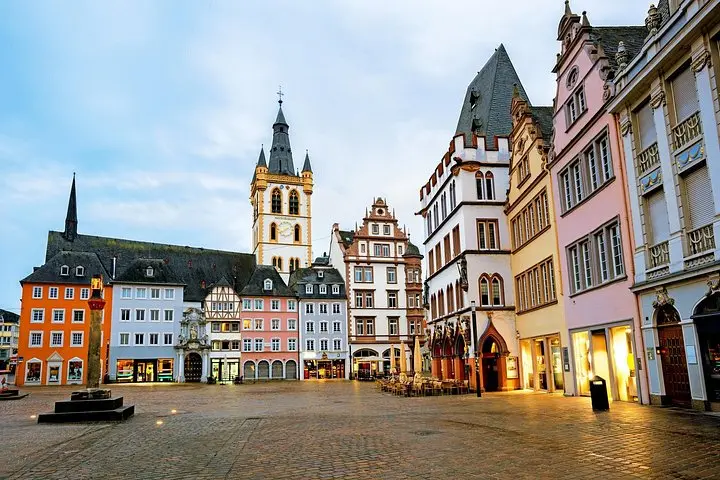

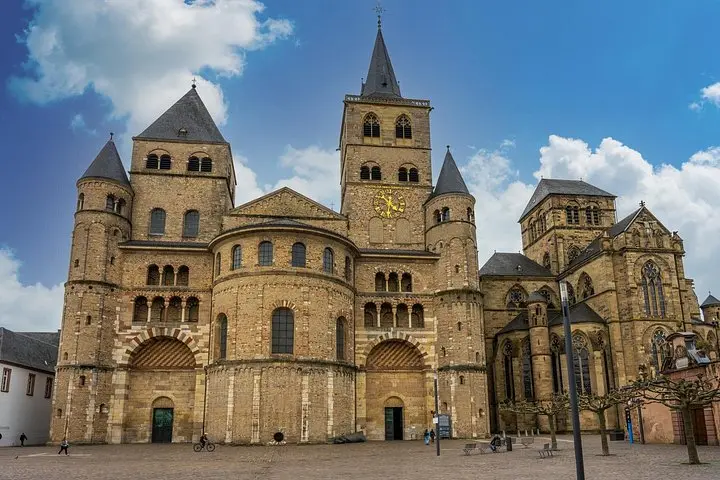
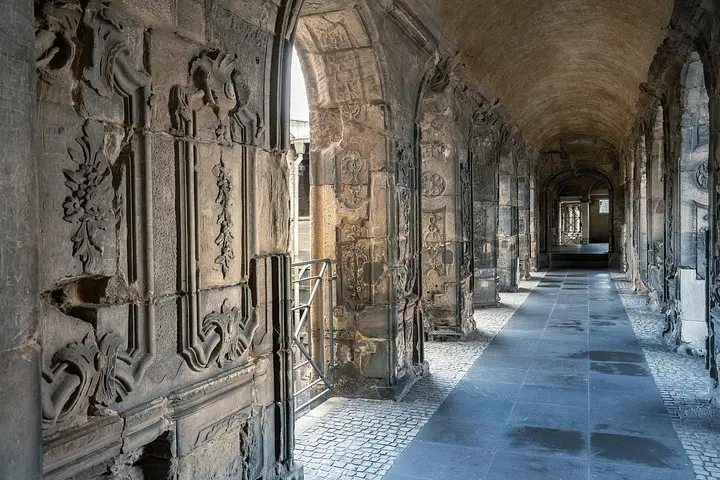
Cobblestones click underfoot as the Porta Nigra fills the view — a dark, hulking doorway to a city that has been sounding its stories for two millennia. A self-guided audio walk through Trier threads you from that Roman gate across the Hauptmarkt, past the Cathedral of Saint Peter and into quieter lanes where palace gardens and a water clock punctuate the route.
Cobblestones click underfoot as the Porta Nigra fills the view — a dark, hulking doorway to a city that has been sounding its stories for two millennia. A self-guided audio walk through Trier threads you from that Roman gate across the Hauptmarkt, past the Cathedral of Saint Peter and into quieter lanes where palace gardens and a water clock punctuate the route.
Trier’s streets are layered: Roman foundations and basilicas speak to the city’s role as a northern imperial center; medieval market squares and half-timbered façades chart its later urban life; 19th‑century homes frame the birthplace of Karl Marx. Geologically, the city sits on gentle Moselle valley slopes, where river terraces shaped settlement and vineyards beyond the center still supply local wines. Cultural notes — the Jewish Quarter’s history, the cathedral’s Holy Robe relic, and lively market rhythms — appear in the audio’s 27 narrated stories.
Practicals are straightforward. The route is 5.5 km and typically takes 2–3 hours; the app supports seven languages and remembers your place, and you have until the end of the next day to finish. Bring headphones, a charged phone or powerbank, and comfortable shoes for mixed cobbles and pavement. Aim to start early or late afternoon to avoid market crowds; museums you detour to may require separate tickets. The tour is low‑impact on fitness but higher in attention — follow GPS prompts in narrow streets and respect pedestrian zones. With these basics, the audio guide hands you the map and the stories — Trier supplies the rest.