THE ADVENTURE COLLECTIVE® · Independent discovery and booking for outdoor travel

Board the short ferry from Cleggan for a self-guided West Quarter loop around Inishbofin: coastal tracks, historical ruins, a provided light lunch and tea with scones. Ideal for walkers who want rugged Atlantic views with low technical demands—prepare for changeable weather and check ferry times.
Board the short ferry from Cleggan for a self-guided West Quarter loop around Inishbofin: coastal tracks, historical ruins, a provided light lunch and tea with scones. Ideal for walkers who want rugged Atlantic views with low technical demands—prepare for changeable weather and check ferry times.
The ferry slips away from Cleggan and the Atlantic opens like an invitation: wind on your face, low rocky shores, and the compact silhouette of Inishbofin growing as you approach. Step ashore with a map, a light lunch included, and a plan to circle the island’s West Quarter — a loop that favors coastal slab, grassy tracks and cliff-edge panoramas.
Verified experiences and guided adventures in the surrounding area.
Operated by Ireland Wild Escapes · Inishbofin, County Galway
The ferry slips away from Cleggan and the Atlantic opens like an invitation: wind on your face, low rocky shores, and the compact silhouette of Inishbofin growing as you approach. Step ashore with a map, a light lunch included, and a plan to circle the island’s West Quarter — a loop that favors coastal slab, grassy tracks and cliff-edge panoramas.
Inishbofin wears history plainly: ancient monastic enclosures, famine-era cottages and low stone walls that trace past fields. Geologically it's a patchwork of old Dalradian bedrock and exposed glacial erratics, carved by tides and wind into stony headlands and shallow coves. The island’s small community has long combined fishing, turf-cutting and hospitality; recently it became Ireland’s first island to win an international ecotourism award, a cue to travel with care.
Practical guidance is simple. Expect a self-guided loop of roughly 5–7 km over variable terrain — grassy paths, packed earth and stone — with modest cumulative climbing; allow 3–4 hours including stops. A paper or mobile voucher validates your included return ferry; maps and a light lunch of soup and sandwiches are provided, and tea and scones await on return. Weather is changeable: pack a windproof layer and waterproofs, and wear sturdy walking shoes. Check ferry times in advance and bring any medication or cash you prefer for small island purchases.
This trip suits walkers who want coastal exposure without technical scrambling: clear views, seabird colonies, and a human-scale landscape where every headland reveals another slice of the Wild Atlantic Way.
Yes—the trip includes a return ferry transfer from Cleggan to Inishbofin; check your post-booking voucher for exact departure times and the pickup point.
A light lunch of soup and sandwiches is supplied, and tea/coffee with scones is included after the walk.
Children are welcome but must be accompanied by an adult; paths can be uneven and exposed near cliffs, so supervise closely.
The activity runs March–September and is weather dependent; if cancelled due to poor weather you’ll be offered an alternative date or a full refund per the booking policy.
Ireland Wild Escapes operates guided outdoor trips and adventures with an emphasis on safety, stewardship, and memorable experiences.
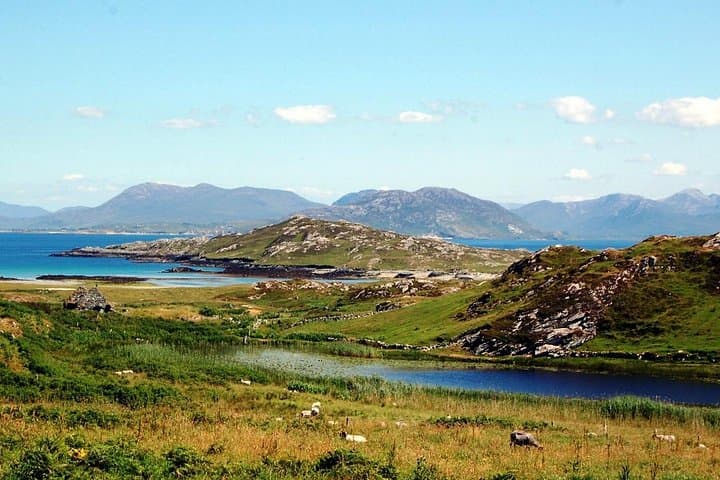
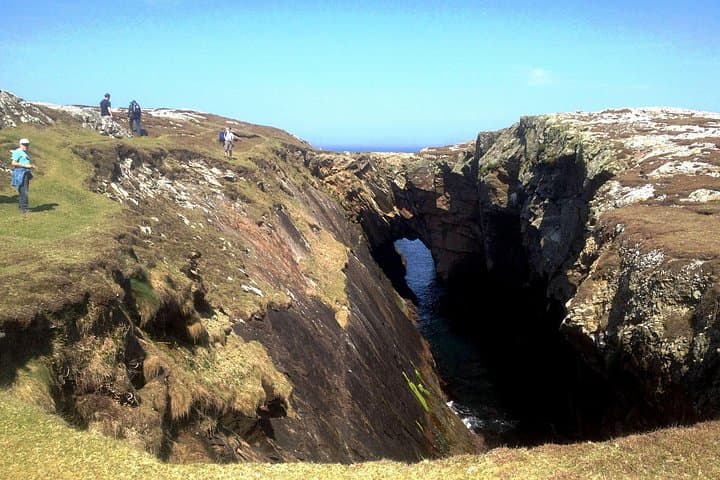
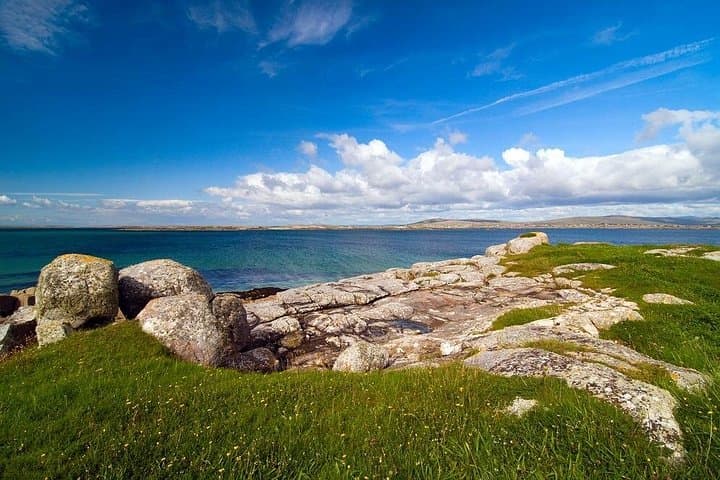

The ferry slips away from Cleggan and the Atlantic opens like an invitation: wind on your face, low rocky shores, and the compact silhouette of Inishbofin growing as you approach. Step ashore with a map, a light lunch included, and a plan to circle the island’s West Quarter — a loop that favors coastal slab, grassy tracks and cliff-edge panoramas.
The ferry slips away from Cleggan and the Atlantic opens like an invitation: wind on your face, low rocky shores, and the compact silhouette of Inishbofin growing as you approach. Step ashore with a map, a light lunch included, and a plan to circle the island’s West Quarter — a loop that favors coastal slab, grassy tracks and cliff-edge panoramas.
Inishbofin wears history plainly: ancient monastic enclosures, famine-era cottages and low stone walls that trace past fields. Geologically it's a patchwork of old Dalradian bedrock and exposed glacial erratics, carved by tides and wind into stony headlands and shallow coves. The island’s small community has long combined fishing, turf-cutting and hospitality; recently it became Ireland’s first island to win an international ecotourism award, a cue to travel with care.
Practical guidance is simple. Expect a self-guided loop of roughly 5–7 km over variable terrain — grassy paths, packed earth and stone — with modest cumulative climbing; allow 3–4 hours including stops. A paper or mobile voucher validates your included return ferry; maps and a light lunch of soup and sandwiches are provided, and tea and scones await on return. Weather is changeable: pack a windproof layer and waterproofs, and wear sturdy walking shoes. Check ferry times in advance and bring any medication or cash you prefer for small island purchases.
This trip suits walkers who want coastal exposure without technical scrambling: clear views, seabird colonies, and a human-scale landscape where every headland reveals another slice of the Wild Atlantic Way.