THE ADVENTURE COLLECTIVE® · Independent discovery and booking for outdoor travel

Fly from Zanzibar to Selous for a high-impact day of game drives, river viewing, and a bush picnic in one of Africa’s largest wilderness areas. This trip packs classic safari encounters — elephants, hippos, crocodiles and rich birdlife — into a single, well-paced day.
Fly from Zanzibar to Selous for a high-impact day of game drives, river viewing, and a bush picnic in one of Africa’s largest wilderness areas. This trip packs classic safari encounters — elephants, hippos, crocodiles and rich birdlife — into a single, well-paced day.
You lift off at dawn from Zanzibar, the island shrinking beneath a lattice of reefs and shallow sea, and an hour later the vast spine of Selous opens below — scrub, ribbon rivers, and pools that mirror the sky. The airstrip is a humble threshold; within minutes a guide has you moving into open terrain where elephants amble like slow decisions and hippos turn riverbanks into steaming, territorial stages.
Verified experiences and guided adventures in the surrounding area.
Operated by Africa’s Home Tours & Safaris · Selous Game Reserve, Morogoro Region
You lift off at dawn from Zanzibar, the island shrinking beneath a lattice of reefs and shallow sea, and an hour later the vast spine of Selous opens below — scrub, ribbon rivers, and pools that mirror the sky. The airstrip is a humble threshold; within minutes a guide has you moving into open terrain where elephants amble like slow decisions and hippos turn riverbanks into steaming, territorial stages.
Selous (now part of Nyerere National Park) is one of Africa’s last large-scale wild ecosystems, carved by seasonal rivers and ancient alluvial plains. The geology is gentle — floodplains, sandy ridges and oxbow lakes — which concentrates wildlife around water in the dry months. Cultural history here runs from indigenous hunting landscapes to colonial conservation debates; today the reserve balances wildlife protection with local livelihoods.
A day trip is brisk but immersive: morning game drives, a riverside picnic, and time at the Selous River to watch crocodiles and waterbirds. Guides read spoor and position vehicles for quiet views, not spectacle.
Practical edge: depart early, expect a full 12-hour itinerary including transfers, small aircraft limits on luggage, and basic bush facilities. Dress in layered, neutral clothing; bring sun protection, binoculars, and cash for tips. Wildlife sightings concentrate in the dry season (June–October) but the wet months bring breeding activity and dramatic birdlife.
This is a condensed but genuine safari — less lodge comfort, more moving through a landscape that still behaves like wilderness. For travelers short on time, it’s a direct route into big-country viewing with the pragmatic logistics of a single long, rewarding day.
The full excursion runs about 10–12 hours door-to-door, including flights, transfers, game drives and a bush lunch.
Flights typically depart from Zanzibar (Zanzibar City) early in the morning and return the same day; check luggage restrictions with the operator.
Yes—children are permitted but infants often must sit on a lap for flights; operators may provide infant seats on request and specific age limits can apply.
Expect elephants, hippos, crocodiles, buffalo, giraffe, zebras, antelope and often large numbers of water and migratory birds; large cats are present but less predictable.
Africa’s Home Tours & Safaris operates guided outdoor trips and adventures with an emphasis on safety, stewardship, and memorable experiences.
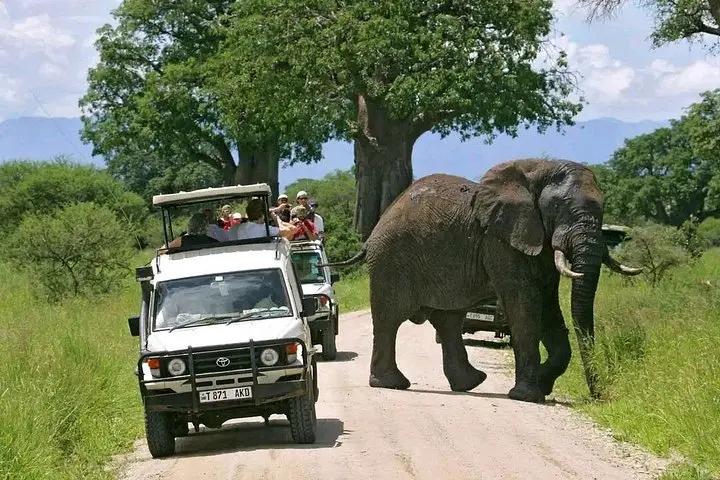
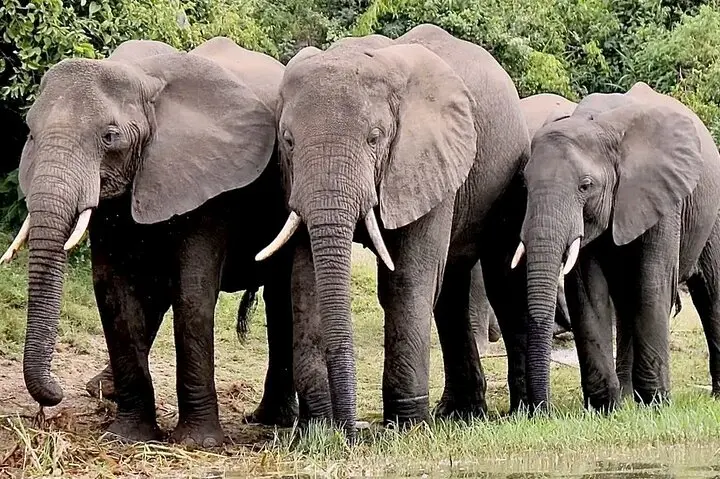
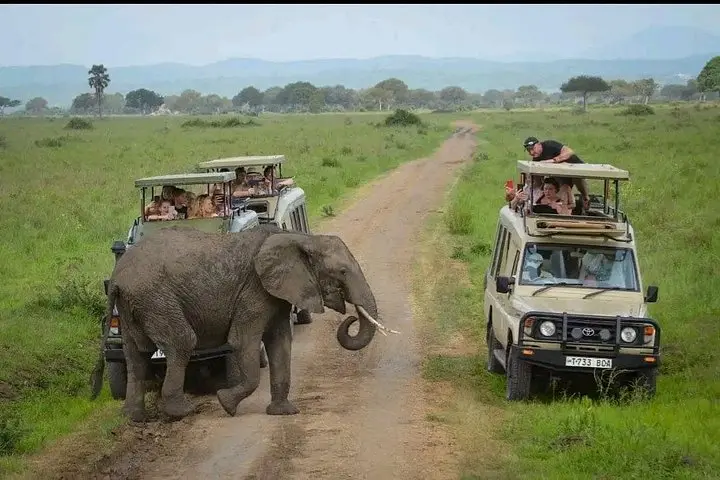
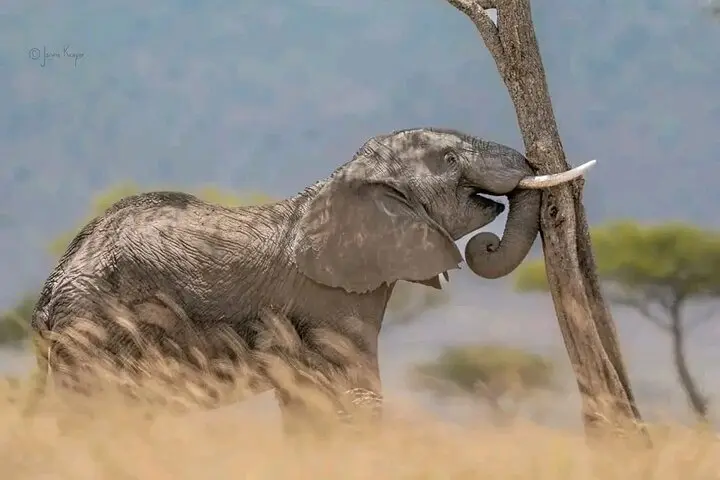
You lift off at dawn from Zanzibar, the island shrinking beneath a lattice of reefs and shallow sea, and an hour later the vast spine of Selous opens below — scrub, ribbon rivers, and pools that mirror the sky. The airstrip is a humble threshold; within minutes a guide has you moving into open terrain where elephants amble like slow decisions and hippos turn riverbanks into steaming, territorial stages.
You lift off at dawn from Zanzibar, the island shrinking beneath a lattice of reefs and shallow sea, and an hour later the vast spine of Selous opens below — scrub, ribbon rivers, and pools that mirror the sky. The airstrip is a humble threshold; within minutes a guide has you moving into open terrain where elephants amble like slow decisions and hippos turn riverbanks into steaming, territorial stages.
Selous (now part of Nyerere National Park) is one of Africa’s last large-scale wild ecosystems, carved by seasonal rivers and ancient alluvial plains. The geology is gentle — floodplains, sandy ridges and oxbow lakes — which concentrates wildlife around water in the dry months. Cultural history here runs from indigenous hunting landscapes to colonial conservation debates; today the reserve balances wildlife protection with local livelihoods.
A day trip is brisk but immersive: morning game drives, a riverside picnic, and time at the Selous River to watch crocodiles and waterbirds. Guides read spoor and position vehicles for quiet views, not spectacle.
Practical edge: depart early, expect a full 12-hour itinerary including transfers, small aircraft limits on luggage, and basic bush facilities. Dress in layered, neutral clothing; bring sun protection, binoculars, and cash for tips. Wildlife sightings concentrate in the dry season (June–October) but the wet months bring breeding activity and dramatic birdlife.
This is a condensed but genuine safari — less lodge comfort, more moving through a landscape that still behaves like wilderness. For travelers short on time, it’s a direct route into big-country viewing with the pragmatic logistics of a single long, rewarding day.