THE ADVENTURE COLLECTIVE® · Independent discovery and booking for outdoor travel

A compact safari that moves quickly from island to bush: cross to the mainland by morning ferry, reach Selous by early afternoon and spend two days tracking elephants, hippos and crocodiles across flooded plains and river channels. Read on for what to expect and how to prepare.
A compact safari that moves quickly from island to bush: cross to the mainland by morning ferry, reach Selous by early afternoon and spend two days tracking elephants, hippos and crocodiles across flooded plains and river channels. Read on for what to expect and how to prepare.
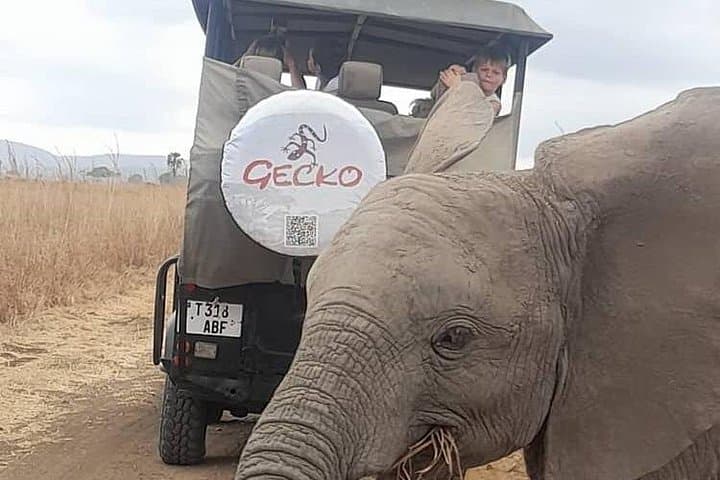
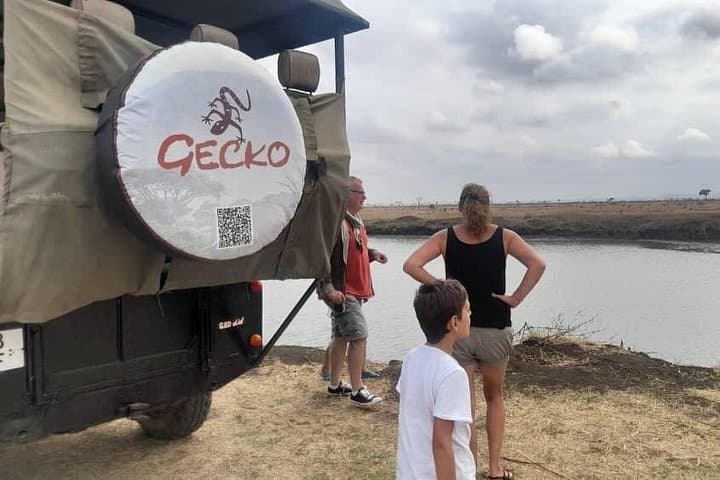
Morning ferry cuts across the channel and by mid-morning the mainland spreads out—dry miombo woodlands, braided floodplains and the long, slow Rufiji River that seems to push the bush into motion. You arrive at Selous in time for an afternoon game drive; the light flattens the grasses and elephants move like deliberate shadows between trees.
Verified experiences and guided adventures in the surrounding area.
Operated by Gecko Adventure Tanzania · Selous Game Reserve, Lindi Region
Morning ferry cuts across the channel and by mid-morning the mainland spreads out—dry miombo woodlands, braided floodplains and the long, slow Rufiji River that seems to push the bush into motion. You arrive at Selous in time for an afternoon game drive; the light flattens the grasses and elephants move like deliberate shadows between trees.
Selous, renamed part of Nyerere National Park, covers roughly 50,000 km² and was inscribed as a UNESCO World Heritage Site in 1982 for its intact ecosystems and large mammals. Geologically the reserve is shaped by seasonal flooding from the Rufiji; oxbow lakes and riverine forest create a patchwork of habitats that support hippos, crocodiles and roaming elephant herds. Local communities around the reserve have long histories of fishing and small-scale farming; many lodges work with villages to support anti-poaching and community initiatives.
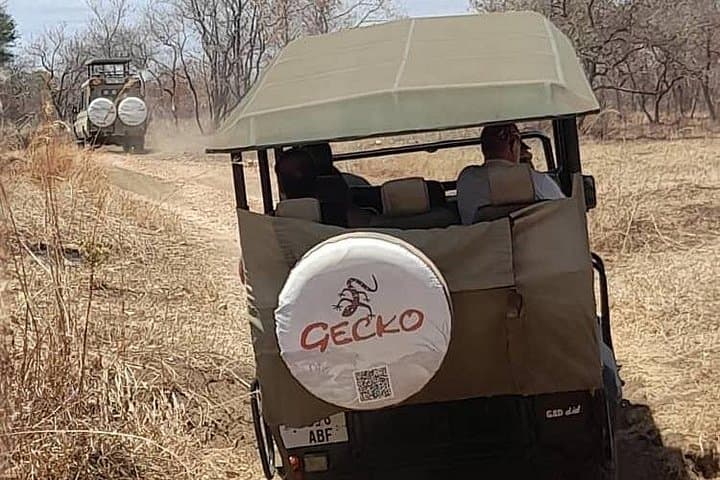
Practical guidance: the trip begins with the early ferry from Zanzibar (departures commonly around 07:00) and a roughly 4‑hour drive to camp; expect dirt roads and occasional checkpoints. Nights are spent in tented or permanent camps such as Selous Tented Camp or Nyerere Tented Camp. Game drives range from late-afternoon two-hour outings to full-day safaris with picnic lunches and short walking options where permitted.
Bring binoculars, a camera with a good zoom, and lightweight layers for cool mornings. Hydrate before drives and keep sun protection handy; mosquitoes are active at dusk so an effective repellent and a net are useful. Flights from the Selous airstrip return to Zanzibar or Dar es Salaam if you prefer to cut travel time, but schedule flexibility helps when bush logistics shift with weather.
The tour uses the early ferry to Dar es Salaam followed by a road transfer of roughly four hours to Selous; alternatives include flying from Dar or Zanzibar to the Selous airstrip on different itineraries.
This itinerary lists park fees as included—confirm at booking and keep receipts from guides for any on-site charges.
Common sightings include African elephant, hippo, crocodile, giraffe and lion; sightings depend on season, water levels and timing of drives.
The operator notes it’s not recommended for pregnant travelers and infants must sit on laps; check specific age restrictions with the provider.
Gecko Adventure Tanzania operates guided outdoor trips and adventures with an emphasis on safety, stewardship, and memorable experiences.

Morning ferry cuts across the channel and by mid-morning the mainland spreads out—dry miombo woodlands, braided floodplains and the long, slow Rufiji River that seems to push the bush into motion. You arrive at Selous in time for an afternoon game drive; the light flattens the grasses and elephants move like deliberate shadows between trees.
Morning ferry cuts across the channel and by mid-morning the mainland spreads out—dry miombo woodlands, braided floodplains and the long, slow Rufiji River that seems to push the bush into motion. You arrive at Selous in time for an afternoon game drive; the light flattens the grasses and elephants move like deliberate shadows between trees.
Selous, renamed part of Nyerere National Park, covers roughly 50,000 km² and was inscribed as a UNESCO World Heritage Site in 1982 for its intact ecosystems and large mammals. Geologically the reserve is shaped by seasonal flooding from the Rufiji; oxbow lakes and riverine forest create a patchwork of habitats that support hippos, crocodiles and roaming elephant herds. Local communities around the reserve have long histories of fishing and small-scale farming; many lodges work with villages to support anti-poaching and community initiatives.
Practical guidance: the trip begins with the early ferry from Zanzibar (departures commonly around 07:00) and a roughly 4‑hour drive to camp; expect dirt roads and occasional checkpoints. Nights are spent in tented or permanent camps such as Selous Tented Camp or Nyerere Tented Camp. Game drives range from late-afternoon two-hour outings to full-day safaris with picnic lunches and short walking options where permitted.
Bring binoculars, a camera with a good zoom, and lightweight layers for cool mornings. Hydrate before drives and keep sun protection handy; mosquitoes are active at dusk so an effective repellent and a net are useful. Flights from the Selous airstrip return to Zanzibar or Dar es Salaam if you prefer to cut travel time, but schedule flexibility helps when bush logistics shift with weather.