THE ADVENTURE COLLECTIVE® · Independent discovery and booking for outdoor travel

Combine a classic Tanzanian safari with a restorative Zanzibar beach stay on this nine-day itinerary. Track wildlife in Selous/Nyerere by foot, boat and 4x4 before returning to turquoise waters and spice-scented streets.
Combine a classic Tanzanian safari with a restorative Zanzibar beach stay on this nine-day itinerary. Track wildlife in Selous/Nyerere by foot, boat and 4x4 before returning to turquoise waters and spice-scented streets.
Early light over Zanzibar’s eastern shore throws a pale ribbon across the Indian Ocean; by midweek the soundscape has shifted to the low hum of a prop plane lifting toward the Rufiji Delta. This nine-day loop pairs the soft certainty of white-sand beaches with the raw, slow rhythms of Selous (now Nyerere National Park), where acacia flats give way to riverine forest and the Rufiji River pushes life into wide floodplains.
Verified experiences and guided adventures in the surrounding area.
Operated by Beach & Safari · Zanzibar City, Zanzibar
Early light over Zanzibar’s eastern shore throws a pale ribbon across the Indian Ocean; by midweek the soundscape has shifted to the low hum of a prop plane lifting toward the Rufiji Delta. This nine-day loop pairs the soft certainty of white-sand beaches with the raw, slow rhythms of Selous (now Nyerere National Park), where acacia flats give way to riverine forest and the Rufiji River pushes life into wide floodplains.
Selous was a colonial-era hunting ground named after Frederick Selous and was reclassified as Nyerere National Park in 2019; its geology is dominated by alluvial plains cut by meandering channels that sustain hippos, crocodiles and a dense bird population. Zanzibar’s Stone Town records centuries of Swahili trade—Omani, Persian and European influences left carved doors, spice markets and a compact urban fabric.
Practically, the trip moves deliberately: three nights on Zanzibar’s east coast at a beachfront resort, domestic flights to and from the Selous airstrip, then guided walking safaris, a Rufiji boat safari and a full-day game drive. Expect dusty tracks, hot midday sun, mosquitoes at dusk and cool early-morning game viewing.
Prepare with lightweight long sleeves, a good pair of walking shoes, binoculars and malaria precautions. Keep luggage limits in mind for domestic connections and favor neutral clothing while on safari. Respect park boundaries on walks, follow guides’ instructions, and carry reusable water. The itinerary is equal parts immersion and rest—one day you’ll be tracking spoor, the next you’ll be watching sunlight slide across turquoise water—both elements sharpen the sense of place.
Yes—Selous/Nyerere lies in a malaria zone; consult a travel clinician before departure and bring insect repellent and appropriate clothing.
Yes, domestic flights between Zanzibar and Selous are included in the itinerary as noted in the tour inclusions.
Walking safaris are gentle but require walking short distances over uneven terrain (typically 2–4 km) guided by experienced rangers.
Yes—day trips to Stone Town and spice tours are common optional excursions from the east coast resorts.
Beach & Safari operates guided outdoor trips and adventures with an emphasis on safety, stewardship, and memorable experiences.
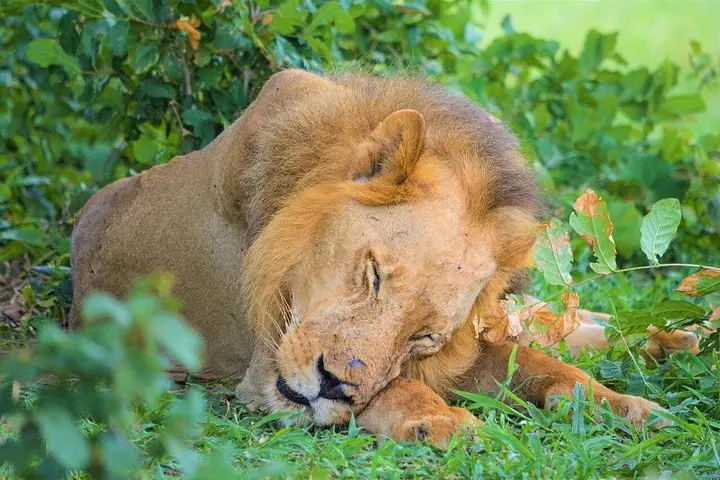
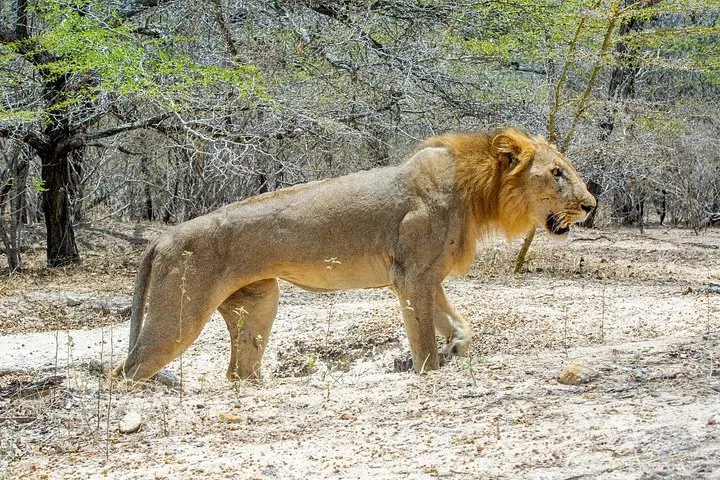
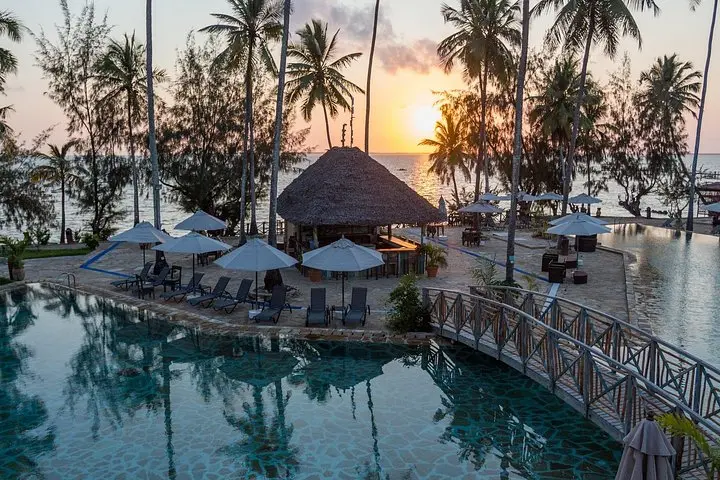
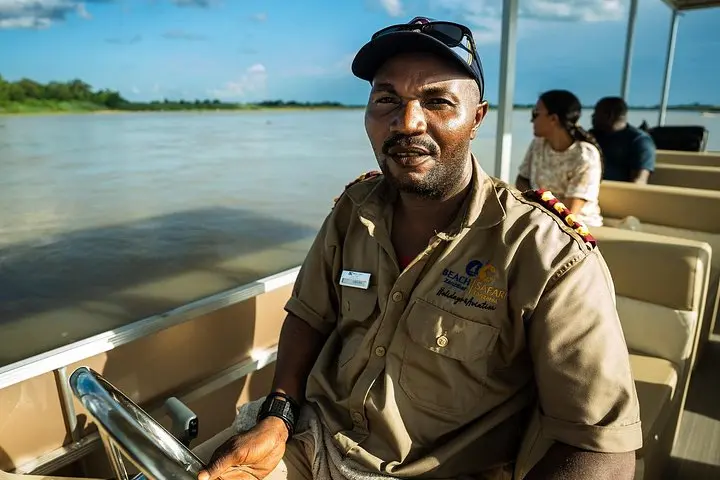
Early light over Zanzibar’s eastern shore throws a pale ribbon across the Indian Ocean; by midweek the soundscape has shifted to the low hum of a prop plane lifting toward the Rufiji Delta. This nine-day loop pairs the soft certainty of white-sand beaches with the raw, slow rhythms of Selous (now Nyerere National Park), where acacia flats give way to riverine forest and the Rufiji River pushes life into wide floodplains.
Early light over Zanzibar’s eastern shore throws a pale ribbon across the Indian Ocean; by midweek the soundscape has shifted to the low hum of a prop plane lifting toward the Rufiji Delta. This nine-day loop pairs the soft certainty of white-sand beaches with the raw, slow rhythms of Selous (now Nyerere National Park), where acacia flats give way to riverine forest and the Rufiji River pushes life into wide floodplains.
Selous was a colonial-era hunting ground named after Frederick Selous and was reclassified as Nyerere National Park in 2019; its geology is dominated by alluvial plains cut by meandering channels that sustain hippos, crocodiles and a dense bird population. Zanzibar’s Stone Town records centuries of Swahili trade—Omani, Persian and European influences left carved doors, spice markets and a compact urban fabric.
Practically, the trip moves deliberately: three nights on Zanzibar’s east coast at a beachfront resort, domestic flights to and from the Selous airstrip, then guided walking safaris, a Rufiji boat safari and a full-day game drive. Expect dusty tracks, hot midday sun, mosquitoes at dusk and cool early-morning game viewing.
Prepare with lightweight long sleeves, a good pair of walking shoes, binoculars and malaria precautions. Keep luggage limits in mind for domestic connections and favor neutral clothing while on safari. Respect park boundaries on walks, follow guides’ instructions, and carry reusable water. The itinerary is equal parts immersion and rest—one day you’ll be tracking spoor, the next you’ll be watching sunlight slide across turquoise water—both elements sharpen the sense of place.