THE ADVENTURE COLLECTIVE® · Independent discovery and booking for outdoor travel

Watch semi-wild orangutans return to a managed rainforest at Semenggoh, a short drive from Kuching. This guided visit blends close wildlife viewing with clear conservation context and practical accessibility for day visitors.
Watch semi-wild orangutans return to a managed rainforest at Semenggoh, a short drive from Kuching. This guided visit blends close wildlife viewing with clear conservation context and practical accessibility for day visitors.
A damp morning forest breathes around the narrow clearing at Semenggoh Wildlife Centre; humidity clings to your clothes and the trees seem to watch as you wait. Train tracks of roots lead up to the feeding platform where, at scheduled times, rehabilitated orangutans often return — slow, deliberate visitors who move through the canopy like hands through velvet.
Verified experiences and guided adventures in the surrounding area.
Operated by Tour & Incentive Travel · Kuching, Sarawak
A damp morning forest breathes around the narrow clearing at Semenggoh Wildlife Centre; humidity clings to your clothes and the trees seem to watch as you wait. Train tracks of roots lead up to the feeding platform where, at scheduled times, rehabilitated orangutans often return — slow, deliberate visitors who move through the canopy like hands through velvet.
Semenggoh sits within lowland dipterocarp rainforest characteristic of Sarawak. The site began as a rescue and rehabilitation program in the 1970s, aiming to reintroduce captive orangutans to a managed forest reserve. Geologically the area is ancient tropical lowland soil on gentle slopes, with creeks cutting shallow channels through lateritic substrate. Local Iban and Malay communities have long interacted with these forests; guides often share simple cultural notes about traditional forest use and the centre’s role in regional conservation.
On arrival expect guided briefings, a short walk on muddy trails, and quiet observation periods — sightings are probable but not guaranteed. Cameras and long lenses are useful; binoculars help with canopy sightings. The experience is sensory: the distant chattering of hornbills, the rustle of leaves as an orangutan reaches for fruit, the smell of wet earth.
Practical guidance: arrive with lightweight rain gear and non-slip shoes, carry water and insect repellent, and honor quiet zones during feeding times. Hotel pickup from Kuching makes the 45-minute drive straightforward. Respect the animals’ space — maintain distance and follow guide instructions — and you’ll leave with a clearer sense of Borneo’s fragile, living forest.
Sightings are common during official feeding times but cannot be guaranteed because the animals roam semi-wild within the reserve.
The standard visit and transfer from Kuching take about 2–3 hours, including guided time at the centre and travel.
Yes, but the walk includes uneven, sometimes muddy trails; those with mobility issues should check accessibility and consider the short walking distances involved.
Yes—photography is allowed but flash and loud noises are discouraged to avoid disturbing the animals; follow guide instructions at all times.
Tour & Incentive Travel operates guided outdoor trips and adventures with an emphasis on safety, stewardship, and memorable experiences.
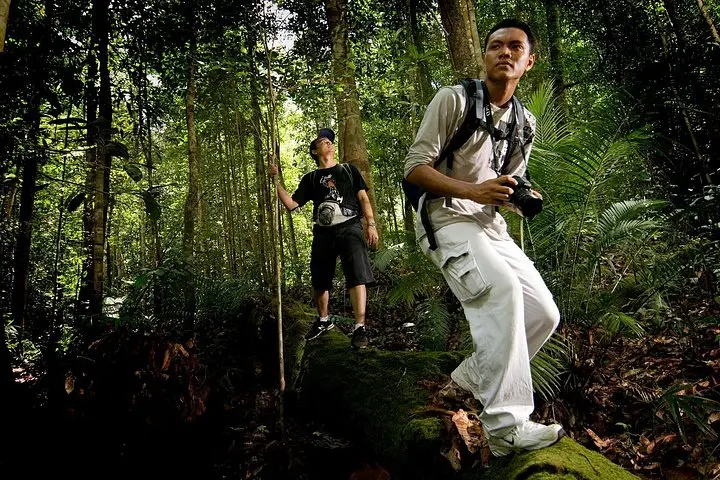

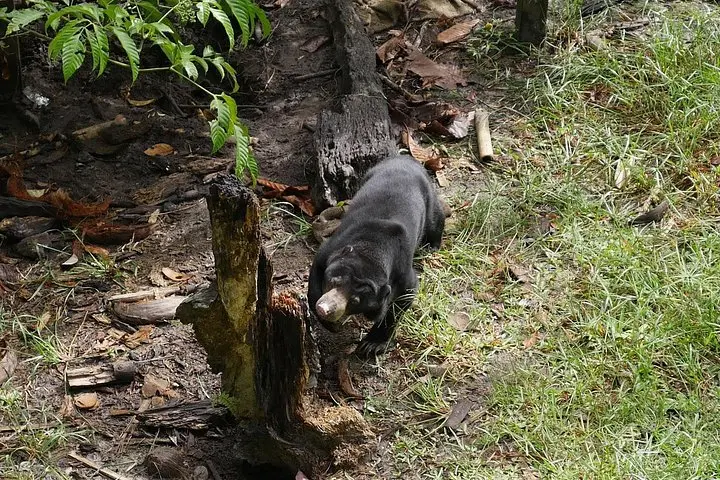
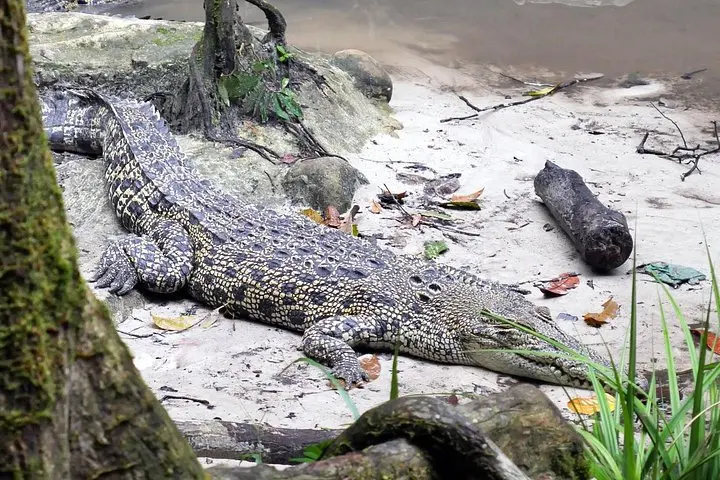
A damp morning forest breathes around the narrow clearing at Semenggoh Wildlife Centre; humidity clings to your clothes and the trees seem to watch as you wait. Train tracks of roots lead up to the feeding platform where, at scheduled times, rehabilitated orangutans often return — slow, deliberate visitors who move through the canopy like hands through velvet.
A damp morning forest breathes around the narrow clearing at Semenggoh Wildlife Centre; humidity clings to your clothes and the trees seem to watch as you wait. Train tracks of roots lead up to the feeding platform where, at scheduled times, rehabilitated orangutans often return — slow, deliberate visitors who move through the canopy like hands through velvet.
Semenggoh sits within lowland dipterocarp rainforest characteristic of Sarawak. The site began as a rescue and rehabilitation program in the 1970s, aiming to reintroduce captive orangutans to a managed forest reserve. Geologically the area is ancient tropical lowland soil on gentle slopes, with creeks cutting shallow channels through lateritic substrate. Local Iban and Malay communities have long interacted with these forests; guides often share simple cultural notes about traditional forest use and the centre’s role in regional conservation.
On arrival expect guided briefings, a short walk on muddy trails, and quiet observation periods — sightings are probable but not guaranteed. Cameras and long lenses are useful; binoculars help with canopy sightings. The experience is sensory: the distant chattering of hornbills, the rustle of leaves as an orangutan reaches for fruit, the smell of wet earth.
Practical guidance: arrive with lightweight rain gear and non-slip shoes, carry water and insect repellent, and honor quiet zones during feeding times. Hotel pickup from Kuching makes the 45-minute drive straightforward. Respect the animals’ space — maintain distance and follow guide instructions — and you’ll leave with a clearer sense of Borneo’s fragile, living forest.